Orbital Data Center Networks and the Future of Space-Based Cloud Computing
Explore how orbital data center networks are transforming cloud computing by bringing intelligent data processing and storage into space.

Lorem ipsum dolor sit amet, consectetur adipiscing elit. Donec eu ex non mi lacinia suscipit a sit amet mi. Maecenas non lacinia mauris. Nullam maximus odio leo. Phasellus nec libero sit amet augue blandit accumsan at at lacus.
Tech moves faster than your phone battery dies, and we’re here to keep up with it. Our Technology blogs shares the latest gadgets, apps, and trends—without the confusing jargon. Get fun, practical guides to smarter devices, helpful apps, and innovations that make life easier (or at least more interesting). Whether you’re a casual user or the family’s tech fixer, you’ll find updates, insights, and reviews with a sprinkle of humor—no coding degree required.

Explore how orbital data center networks are transforming cloud computing by bringing intelligent data processing and storage into space.

Explore how programmable metamaterial engineering is enabling adaptive smart infrastructure with intelligent materials that respond to changing environments in real time.

Explore how photonic neural computing platforms are transforming artificial intelligence through light-based processing, ultra-fast computation, and energy-efficient neural networks.

Learn how self-evolving AI agent ecosystems are enabling autonomous digital workforces that improve productivity, innovation, and intelligent business automation.
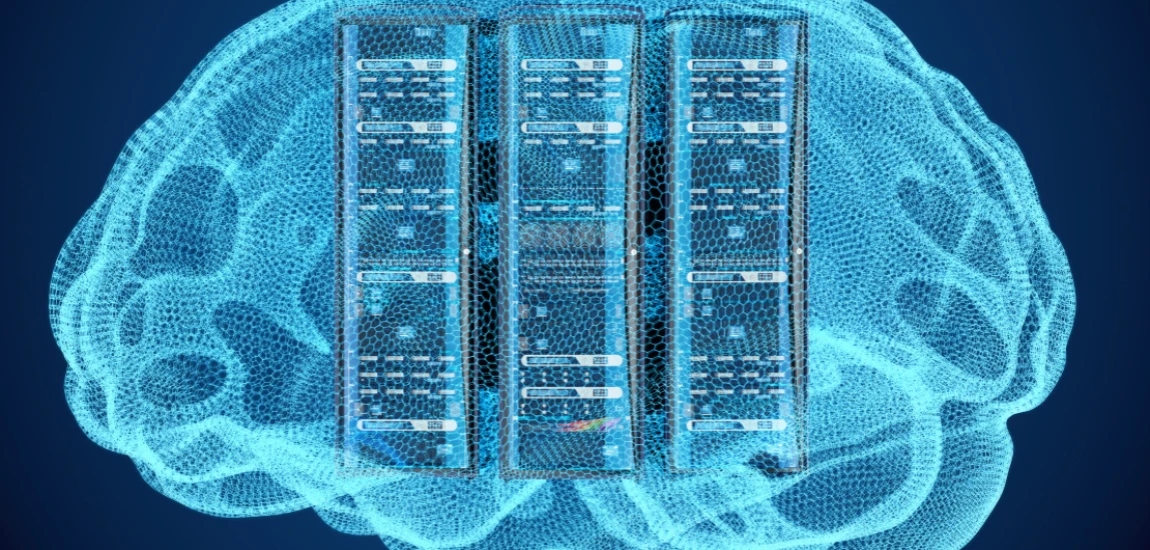
Explore how quantum memory computing systems could revolutionize intelligent data storage, enabling faster, smarter, and highly secure computing for the digital future.

Explore how bioelectronic neural interface platforms are shaping intelligent human–machine symbiosis with AI, brain-computer interfaces, and advanced neurotechnology.

Explore how quantum sensor intelligence networks are enabling hyper-accurate environmental monitoring with AI, quantum sensing, and intelligent data analysis.

Explore how AI-powered climate adaptation technologies are transforming resilient smart civilizations with intelligent infrastructure, climate forecasting, and sustainable innovation.

Explore how next-generation extended reality computing is shaping persistent spatial digital worlds with immersive technologies, AI, and intelligent spatial experiences.
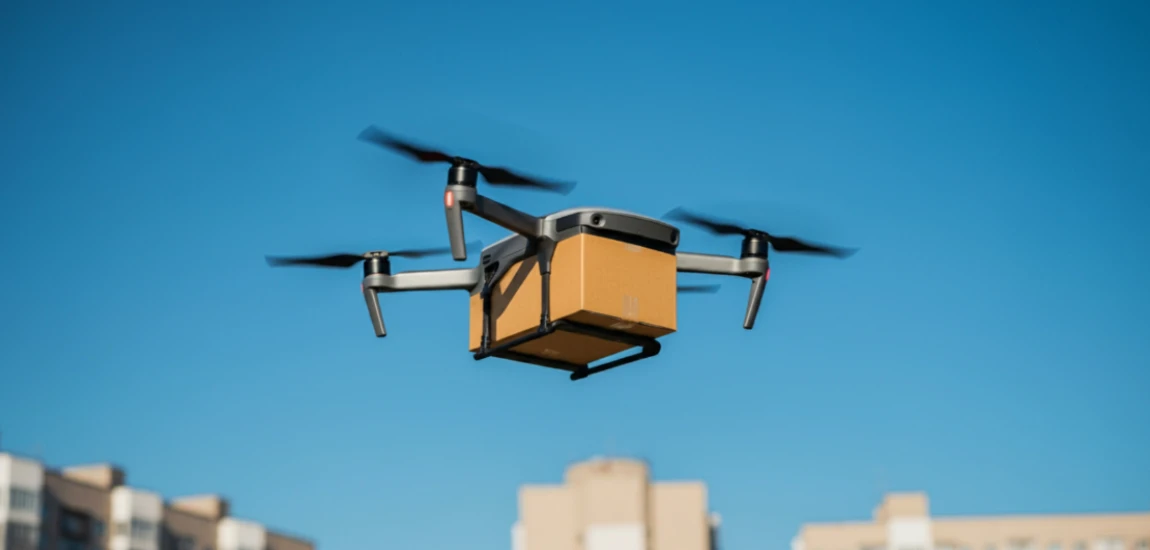
Explore how autonomous drone logistics networks are reshaping global supply chains through AI-driven automation, real-time delivery, and intelligent logistics management.