
Autonomous Drone Logistics Networks and the Future of Intelligent Global Supply Chains
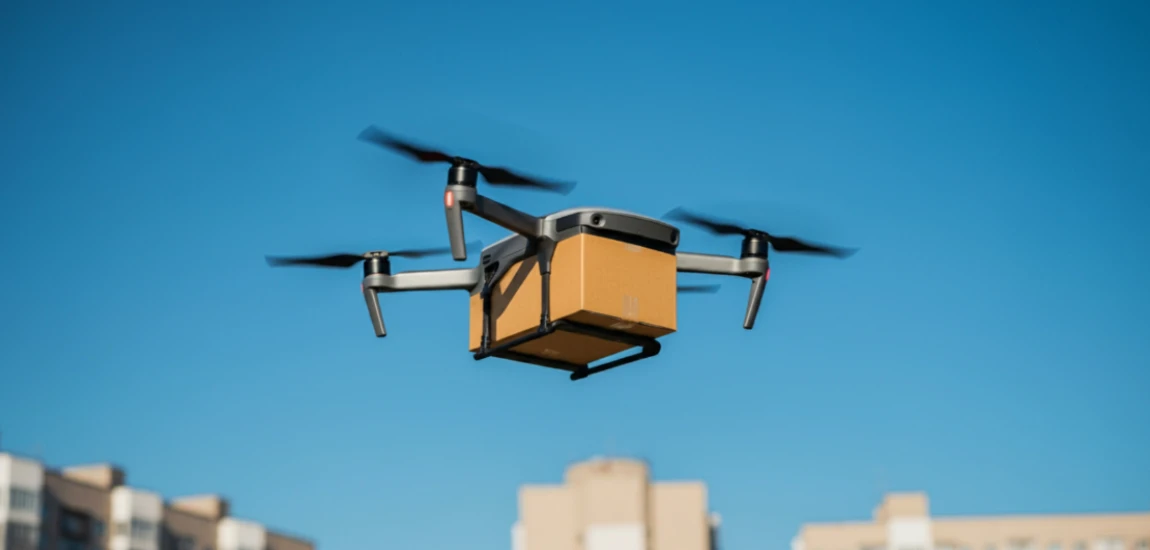
Global supply chains are becoming increasingly complex as businesses strive to deliver products faster, reduce transportation costs, and meet growing consumer expectations for same-day and next-day delivery. Traditional logistics systems often face challenges such as traffic congestion, labor shortages, rising fuel costs, and disruptions caused by natural disasters or geopolitical events. To address these issues, industries are turning to Autonomous Drone Logistics Networks, an advanced logistics model that combines artificial intelligence, autonomous aerial vehicles, cloud computing, edge computing, and real-time analytics to create highly efficient and intelligent delivery ecosystems.
Unlike conventional delivery methods, autonomous drone networks operate with minimal human intervention. Equipped with advanced sensors, GPS navigation, computer vision, machine learning, and obstacle avoidance systems, drones can transport packages, medical supplies, industrial components, and emergency equipment quickly and safely across urban and rural environments. Artificial intelligence continuously optimizes delivery routes, monitors weather conditions, manages fleet operations, and coordinates with warehouses to maximize efficiency.
Governments, logistics providers, retailers, healthcare organizations, and technology companies are investing heavily in drone logistics because of its potential to revolutionize transportation while reducing emissions and operational costs. As drone capabilities continue advancing, intelligent logistics networks are expected to become a fundamental component of future global supply chains. This article explores the technologies behind autonomous drone logistics, its industrial applications, benefits, challenges, and future impact on worldwide commerce.
Understanding Autonomous Drone Logistics Networks

The Evolution of Intelligent Drone Delivery
Drone technology has evolved rapidly from simple remote-controlled aircraft into highly intelligent autonomous systems capable of making independent operational decisions. Modern logistics drones use artificial intelligence to analyze environmental conditions, avoid obstacles, adjust flight paths, and complete deliveries with remarkable accuracy.
Unlike traditional transportation systems that depend on roads and human drivers, autonomous drones navigate directly through the air using satellite navigation, onboard sensors, and advanced mapping technologies. This capability significantly reduces delivery times while improving accessibility to remote or difficult-to-reach locations.
Swarm intelligence and collaborative fleet management further enhance logistics performance by allowing multiple drones to coordinate deliveries simultaneously. Together, these technologies create highly adaptive logistics ecosystems capable of responding quickly to changing transportation demands.
Core Technologies Driving Drone Logistics
Artificial intelligence serves as the central decision-making system within autonomous drone logistics networks. Machine learning algorithms analyze flight conditions, optimize routes, monitor battery performance, and predict maintenance requirements before equipment failures occur.
Computer vision enables drones to recognize buildings, landing zones, obstacles, and moving objects while advanced lidar, radar, ultrasonic sensors, and GPS systems provide continuous environmental awareness. Edge computing processes critical navigation data locally, ensuring rapid responses even when network connectivity is limited.
Cloud computing coordinates fleet management, monitors thousands of active drones simultaneously, and supports large-scale logistics optimization across multiple distribution centers. Together, these technologies create intelligent delivery networks capable of operating efficiently in dynamic environments.
Why Drone Logistics Is Transforming Supply Chains
Consumer expectations continue driving demand for faster deliveries, greater order accuracy, and lower transportation costs. Autonomous drone logistics addresses these challenges by providing flexible, scalable, and highly efficient transportation solutions.
Businesses benefit from reduced fuel consumption, shorter delivery routes, lower labor costs, and improved inventory movement. Drones also provide valuable delivery capabilities during emergencies when traditional transportation infrastructure becomes unavailable.
As industries continue digitizing operations, autonomous drone logistics networks will play an increasingly important role in creating agile, resilient, and environmentally sustainable supply chains.
Artificial Intelligence as the Foundation of Intelligent Logistics Networks

AI-Powered Route Optimization and Fleet Coordination
Artificial intelligence enables logistics drones to make intelligent decisions throughout every stage of delivery operations. Machine learning algorithms continuously evaluate weather conditions, air traffic, battery capacity, package weight, delivery priorities, and geographical information to determine the safest and fastest flight paths.
When unexpected conditions arise, such as severe weather or temporary flight restrictions, AI immediately calculates alternative routes without interrupting delivery schedules. This dynamic decision-making significantly improves operational efficiency while reducing transportation delays.
Fleet management platforms coordinate hundreds or thousands of drones simultaneously, ensuring balanced workloads and maximizing delivery capacity across entire logistics networks.
Smart Warehouses and Automated Distribution
Autonomous drone logistics integrates seamlessly with smart warehouses equipped with robotics, artificial intelligence, automated storage systems, and Internet of Things sensors. Customer orders are processed automatically, inventory is updated in real time, and drones receive delivery assignments without manual intervention.
Warehouse robots prepare shipments while AI determines optimal loading sequences based on destination, delivery urgency, and drone capacity. Computer vision verifies package accuracy before drones begin their delivery missions, reducing shipping errors and improving customer satisfaction.
This highly integrated automation increases warehouse productivity while shortening order fulfillment times and improving supply chain visibility from inventory storage to final delivery.
Predictive Analytics and Real-Time Logistics Intelligence
Artificial intelligence continuously analyzes operational data collected from drones, warehouses, weather systems, transportation networks, and customer demand patterns. Predictive analytics identifies potential delivery bottlenecks before they occur, enabling proactive adjustments that maintain efficient operations.
Maintenance systems monitor drone performance by evaluating battery health, motor efficiency, navigation accuracy, and structural integrity. Predictive maintenance reduces unexpected equipment failures while extending drone lifespan and lowering operating costs.
Real-time logistics intelligence enables organizations to improve delivery reliability, optimize resource allocation, and respond rapidly to changing market conditions, creating more resilient and efficient global supply chain ecosystems.
Real-World Applications of Autonomous Drone Logistics Networks

Revolutionizing E-Commerce and Last-Mile Delivery
Autonomous Drone Logistics Networks are transforming e-commerce by dramatically improving last-mile delivery services. Traditionally, the final stage of product delivery is the most expensive and time-consuming part of the supply chain due to traffic congestion, labor costs, and inefficient delivery routes. Autonomous drones overcome these challenges by transporting packages directly from distribution centers to customers using optimized aerial routes.
Artificial intelligence continuously analyzes customer demand, weather conditions, battery levels, and flight paths to ensure safe and timely deliveries. Drones can deliver small parcels, groceries, electronics, pharmaceuticals, and essential consumer goods within minutes instead of hours. This capability significantly enhances customer satisfaction while lowering transportation costs for retailers.
Retailers also benefit from real-time package tracking, automated scheduling, and improved inventory management. Combined with smart warehouses and robotic fulfillment centers, drone logistics creates a seamless delivery ecosystem capable of supporting the growing demands of global online commerce while reducing environmental impact.
Enhancing Healthcare and Emergency Response
Healthcare organizations increasingly use autonomous drones to transport critical medical supplies, blood samples, vaccines, medications, and emergency equipment to hospitals, clinics, and remote communities. Rapid aerial transportation helps medical professionals respond more quickly during emergencies where every minute can save lives.
Artificial intelligence prioritizes urgent deliveries by evaluating hospital requests, traffic conditions, weather forecasts, and available drone fleets. Drones can access disaster zones, mountainous regions, islands, and rural communities where traditional transportation may be delayed or unavailable.
Emergency management agencies also deploy drone networks during floods, earthquakes, hurricanes, and wildfires. Autonomous drones deliver food, water, medical kits, communication devices, and search-and-rescue equipment while simultaneously collecting aerial imagery that supports disaster assessment and recovery planning. These capabilities improve humanitarian response while protecting emergency personnel from hazardous conditions.
Supporting Industrial Operations and Infrastructure Monitoring
Beyond commercial deliveries, autonomous drone logistics supports manufacturing, energy, agriculture, construction, and infrastructure management. Industrial facilities use drones to transport tools, replacement parts, and specialized equipment across large production sites, reducing downtime and improving operational efficiency.
Energy companies deploy autonomous drones to inspect power lines, wind farms, oil pipelines, and solar installations while collecting real-time maintenance data. Artificial intelligence identifies structural defects before major failures occur, supporting predictive maintenance programs and reducing repair costs.
Agricultural businesses also benefit from drone logistics through automated delivery of seeds, fertilizers, pesticides, and crop monitoring equipment. These intelligent transportation systems increase productivity while supporting precision agriculture and sustainable resource management across large farming operations.
Challenges Facing Autonomous Drone Logistics Networks

Airspace Management and Regulatory Compliance
As drone deliveries become more common, managing increasingly crowded airspace presents significant regulatory and operational challenges. Aviation authorities must establish standardized flight corridors, communication protocols, licensing requirements, and safety regulations that enable autonomous drones to operate alongside conventional aircraft.
Artificial intelligence supports air traffic coordination by monitoring drone locations, predicting potential conflicts, and automatically adjusting flight paths to maintain safe separation. Geofencing technologies prevent drones from entering restricted areas such as airports, military installations, and sensitive infrastructure.
International collaboration among governments, aviation regulators, and technology companies will be essential for developing harmonized standards that support global drone logistics operations.
Cybersecurity, Privacy, and Operational Safety
Autonomous drone logistics networks rely heavily on digital communication, cloud computing, satellite navigation, and artificial intelligence, making cybersecurity a critical priority. Unauthorized access to drone control systems could disrupt deliveries, compromise sensitive business information, or create public safety risks.
Organizations must implement encrypted communication, secure authentication, continuous monitoring, and AI-powered threat detection to protect logistics networks against cyberattacks. Regular software updates and security audits further strengthen operational resilience.
Privacy also requires careful consideration because drones often use cameras and environmental sensors during navigation. Responsible data management and transparent regulatory frameworks help protect public privacy while supporting safe commercial operations.
Infrastructure Investment and Workforce Development
Building large-scale autonomous drone logistics networks requires substantial investment in drone fleets, charging stations, maintenance facilities, communication infrastructure, smart warehouses, and digital management platforms. Businesses must carefully evaluate long-term returns while expanding logistics capabilities.
Workforce development is equally important. Engineers, drone operators, AI specialists, logistics planners, cybersecurity professionals, and aviation experts must collaborate to design, maintain, and optimize intelligent delivery systems. Continuous education and technical training will prepare professionals for emerging careers in autonomous logistics.
Strategic investment in infrastructure and human expertise will accelerate widespread adoption while supporting sustainable industry growth.


Ben Schlappig runs "One Mile at a Time," focusing on aviation and frequent flying. He offers insights on maximizing travel points, airline reviews, and industry news.
Ben Schlappig

Prev Post

Next Post