
Self-Evolving AI Agent Ecosystems and the Rise of Autonomous Digital Workforces
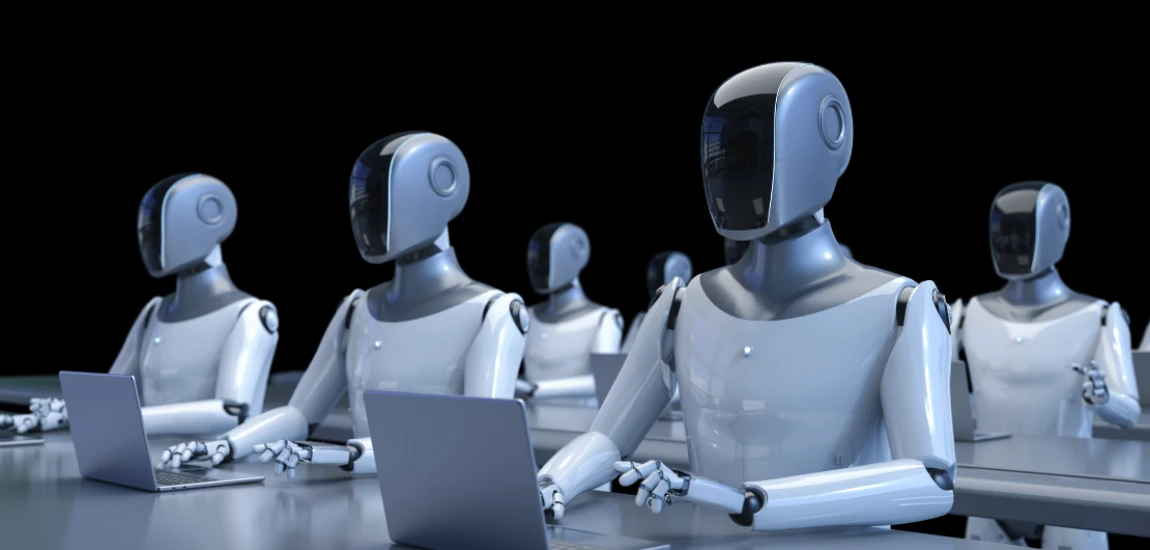
Artificial intelligence is entering a new era where software is no longer limited to performing predefined tasks. Instead, intelligent AI agents can learn from experience, communicate with one another, adapt to changing environments, and continuously improve their performance. These capabilities have given rise to Self-Evolving AI Agent Ecosystems, a revolutionary concept that is reshaping the future of work and digital transformation.
Unlike conventional automation tools, autonomous AI agents can collaborate across departments, analyze massive datasets in real time, make independent decisions, and optimize workflows without constant human supervision. As organizations face increasing demands for efficiency, scalability, and innovation, AI-driven digital workforces are becoming valuable partners rather than simple software applications.
Industries such as healthcare, finance, retail, logistics, education, cybersecurity, and manufacturing are already experimenting with intelligent AI ecosystems that automate repetitive work while supporting strategic decision-making. As machine learning, cloud computing, generative AI, and edge computing continue to evolve, these ecosystems are expected to become increasingly sophisticated, creating highly adaptive digital enterprises capable of responding instantly to changing business conditions.
This article explores how self-evolving AI agent ecosystems work, the technologies behind them, their growing business applications, and the opportunities and challenges they present for the future of autonomous digital workforces.
Understanding Self-Evolving AI Agent Ecosystems

Intelligent Agents That Continuously Learn
Self-evolving AI agents are advanced software systems designed to improve their performance over time through continuous learning. Unlike traditional automation software that follows fixed programming rules, these intelligent agents analyze new information, evaluate outcomes, identify patterns, and adjust their behavior accordingly. Machine learning, reinforcement learning, and neural network technologies enable them to evolve without requiring constant manual updates from developers.
Each AI agent typically specializes in a particular task, such as customer support, financial analysis, cybersecurity monitoring, or inventory management. As these agents accumulate experience, they become increasingly accurate, efficient, and capable of handling more complex responsibilities.
Collaboration Across Intelligent Ecosystems
The true strength of self-evolving AI lies not in individual agents but in interconnected ecosystems where multiple intelligent systems communicate and cooperate. Each agent performs specialized tasks while exchanging information with other agents to achieve broader organizational objectives.
For example, an e-commerce platform may use one AI agent to forecast customer demand, another to manage warehouse inventory, another to optimize delivery routes, and another to personalize customer recommendations. Together, these agents create a seamless autonomous workflow that minimizes delays and improves overall business efficiency.
Why These Ecosystems Are Transforming Digital Work
Modern organizations generate enormous amounts of operational data every second. Managing this information manually has become increasingly difficult. Self-evolving AI ecosystems continuously process data, identify opportunities, predict future outcomes, and automate routine decisions with remarkable speed.
Instead of replacing human workers entirely, these intelligent ecosystems enhance productivity by allowing employees to focus on creativity, strategic planning, innovation, and complex problem-solving. This collaborative relationship between humans and AI is expected to define the next generation of digital workplaces.
Core Technologies Behind Autonomous Digital Workforces

Machine Learning and Reinforcement Learning
Machine learning forms the foundation of every self-evolving AI ecosystem. Through exposure to large datasets, AI agents improve prediction accuracy, recognize behavioral patterns, and optimize workflows over time. Reinforcement learning further strengthens these capabilities by enabling agents to learn through trial and error, rewarding successful decisions while minimizing ineffective actions.
As businesses generate more operational data, these learning systems become increasingly capable of solving complex challenges without requiring extensive human intervention.
Multi-Agent Intelligence and Communication
Unlike isolated AI applications, autonomous digital workforces consist of multiple specialized AI agents working together as coordinated teams. These agents exchange information continuously, divide workloads intelligently, and collaborate to solve enterprise-wide problems more efficiently than centralized systems.
For example, in manufacturing, production planning agents may communicate directly with supply chain, quality control, maintenance, and logistics agents to optimize the entire production cycle. This collaborative intelligence significantly improves productivity while reducing operational costs.
Cloud Computing and Intelligent Infrastructure
Cloud computing provides the scalable infrastructure necessary for supporting thousands of autonomous AI agents operating simultaneously across global organizations. High-performance cloud platforms enable rapid data processing, secure storage, continuous learning, and seamless communication between distributed AI systems.
When combined with edge computing, high-speed networking, and advanced cybersecurity technologies, cloud infrastructure enables self-evolving AI ecosystems to deliver reliable, real-time decision-making across industries. This intelligent infrastructure forms the technological backbone of future autonomous digital workforces.
Business Benefits of Self-Evolving AI Agent Ecosystems

Increased Productivity and Operational Efficiency
One of the greatest advantages of self-evolving AI agent ecosystems is their ability to dramatically improve productivity across organizations. Unlike traditional automation tools that perform isolated tasks, autonomous AI agents work together to manage complete business processes. They can analyze incoming information, prioritize tasks, allocate resources, and execute workflows with minimal human intervention. This collaborative intelligence reduces delays, minimizes repetitive work, and allows businesses to operate around the clock.
Digital workforces can simultaneously process thousands of customer requests, monitor operational performance, generate reports, and identify inefficiencies in real time. Because these agents continuously learn from historical data and new experiences, they become more efficient with every interaction. Businesses benefit from faster decision-making, reduced operational costs, and improved service quality while employees gain more time to focus on strategic initiatives and creative problem-solving.
Smarter Decision-Making Through Real-Time Data
Modern enterprises rely heavily on data to guide business decisions. Self-evolving AI agents continuously collect, analyze, and interpret information from multiple sources, providing organizations with valuable insights almost instantly. Instead of waiting for manual reports, executives receive intelligent recommendations based on current business conditions, customer behavior, and market trends.
These AI ecosystems can identify hidden patterns that may be overlooked by conventional analytics tools. Whether forecasting product demand, detecting financial risks, or optimizing marketing campaigns, intelligent agents enable organizations to make faster and more informed decisions that improve competitiveness and profitability.
Scalability and Continuous Improvement
As organizations expand, managing larger workloads often requires hiring additional employees and investing in new infrastructure. Self-evolving AI ecosystems offer exceptional scalability by allowing businesses to deploy additional AI agents whenever workloads increase. New agents can quickly integrate with existing ecosystems, share knowledge, and begin contributing without lengthy training periods.
Continuous learning ensures that digital workforces constantly improve their performance. Every completed task provides additional knowledge that helps AI agents refine future decisions, making the entire ecosystem more intelligent over time.
Industry Applications of Autonomous Digital Workforces

Healthcare and Medical Innovation
Healthcare organizations are adopting intelligent AI ecosystems to improve patient care, accelerate research, and streamline administrative operations. AI agents assist physicians by analyzing medical images, reviewing patient histories, recommending treatment options, and monitoring health conditions in real time. Administrative agents automate appointment scheduling, insurance processing, and medical documentation, allowing healthcare professionals to spend more time with patients.
In pharmaceutical research, autonomous AI agents analyze enormous datasets to identify potential drug candidates, simulate clinical outcomes, and accelerate medicine development. These capabilities reduce research costs while improving the speed of medical innovation.
Finance, Banking, and Cybersecurity
Financial institutions process millions of transactions daily, making intelligent automation increasingly valuable. AI ecosystems continuously monitor transactions for fraud, assess investment risks, evaluate credit applications, and ensure regulatory compliance. Because these systems operate continuously, they can detect suspicious activities much faster than traditional monitoring methods.
Cybersecurity teams also benefit from autonomous AI agents that monitor network activity, identify vulnerabilities, detect malware, and respond to cyber threats automatically. Continuous learning enables these agents to adapt to evolving attack techniques, providing stronger protection for sensitive business information.
Manufacturing, Retail, and Logistics
Manufacturers are implementing AI ecosystems to optimize production schedules, monitor equipment performance, predict maintenance requirements, and improve quality control. Intelligent agents coordinate supply chains, manage inventory levels, and reduce production delays through continuous analysis of operational data.
Retail companies use autonomous AI workforces to personalize shopping experiences, forecast customer demand, automate inventory replenishment, and improve customer support. Logistics providers benefit from AI-powered route optimization, warehouse automation, shipment tracking, and predictive delivery planning, enabling faster and more reliable services for customers.


Gary Arndt operates "Everything Everywhere," a blog focusing on worldwide travel. An award-winning photographer, Gary shares stunning visuals alongside his travel tales.
Gary Arndt
Prev Post

Next Post