
Personalized Traveler Wellbeing and Comfort Systems – Designing Travel Experiences Around Relaxation, Accessibility, Sensory Preferences, and Emotional Comfort
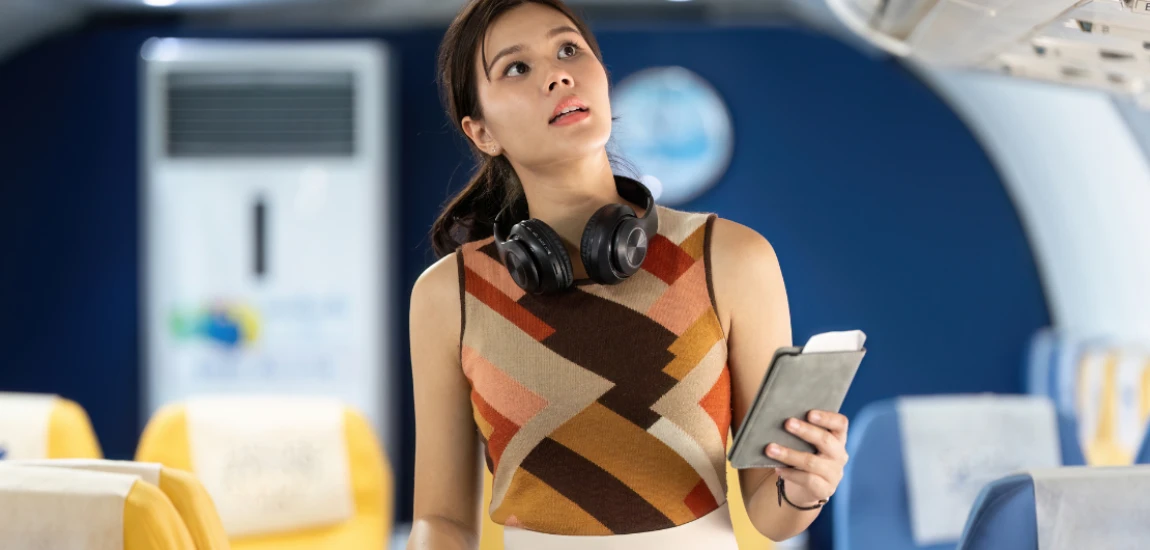
Travel offers opportunities to explore new destinations, experience different cultures, and create unforgettable memories. However, traveling can also involve crowded airports, long journeys, unfamiliar environments, complicated schedules, sensory overload, and unexpected changes. These challenges may prevent travelers from fully enjoying their experiences, especially when their journeys do not account for their personal comfort, accessibility requirements, or emotional needs.
Personalized traveler wellbeing and comfort systems aim to make travel more enjoyable by designing experiences around individual preferences. These systems combine digital technology, thoughtful destination planning, accessible services, and personalized recommendations to help travelers feel comfortable throughout their journeys.
Rather than providing identical travel experiences to everyone, personalized systems recognize that different people have different needs. One traveler may prefer quiet hotels and peaceful nature walks, while another may value accessible transport, flexible schedules, or activities with fewer crowds. Understanding these differences helps tourism providers create experiences that are more inclusive, relaxing, and meaningful.
From sensory-friendly accommodation to flexible itineraries and real-time comfort recommendations, traveler wellbeing is becoming an important part of modern tourism. This blog explores how personalized comfort systems work, their benefits, the technologies supporting them, and practical strategies for creating better travel experiences.
Understanding Personalized Traveler Wellbeing and Comfort Systems

What Are Personalized Traveler Comfort Systems?
Personalized traveler wellbeing and comfort systems are approaches that adapt travel arrangements to individual physical comfort, emotional preferences, accessibility requirements, and relaxation needs. They can include digital planning tools, personalized accommodation recommendations, accessible transport information, flexible itineraries, and services designed to reduce unnecessary stress.
For example, a traveler who prefers peaceful environments could receive recommendations for quieter destinations, less crowded attractions, and accommodation away from busy entertainment districts. Someone who needs step-free access could prioritize hotels, transport services, and attractions with clearly documented accessibility features.
These systems may use traveler questionnaires, preference settings, previous booking information, and real-time destination conditions to provide relevant recommendations. Travelers should remain in control of what information they share and which recommendations they accept.
Why Traveler Wellbeing Matters
Traditional travel planning often emphasizes price, location, attractions, and convenience. Although these factors remain important, they do not always reflect the complete travel experience.
A hotel may be affordable and centrally located but have excessive nighttime noise. An attraction may be popular but involve long queues, bright lighting, or limited seating. A tightly scheduled itinerary may include many activities but leave little time for rest.
Personalized wellbeing planning considers these factors before they become obstacles. By helping travelers select suitable environments and realistic schedules, tourism providers can improve comfort and satisfaction.
Wellbeing should not mean promising that every journey will be stress-free. Unexpected delays, weather changes, and unfamiliar situations are part of travel. Instead, the goal is to give travelers better information, more choices, and practical ways to manage their experiences.
Moving Toward Human-Centered Tourism
Human-centered tourism places the traveler, rather than a standardized package, at the center of experience design. It recognizes differences in age, mobility, sensory preferences, travel experience, energy levels, and personal interests.
This approach benefits families, older adults, solo travelers, people with disabilities, and anyone who values a more flexible journey. It can also improve experiences for travelers who simply want less rushing and more time to enjoy their surroundings.
By integrating comfort and wellbeing into planning, tourism businesses can create services that are more responsive, inclusive, and valuable to a wider range of visitors.
Designing Travel Experiences Around Relaxation and Rest

One of the most effective ways to improve traveler wellbeing is to create itineraries that balance activities with sufficient rest. Overloaded schedules can turn a holiday into a series of deadlines, particularly when travelers must navigate unfamiliar transport systems or travel long distances between attractions.
Personalized travel planning can recommend fewer activities per day, longer breaks between visits, and realistic travel times. Instead of scheduling five major attractions in one afternoon, a traveler might explore two nearby locations and leave time for a relaxed meal or an unplanned discovery.
Flexible itineraries are particularly useful when travelers have different energy levels or are visiting a destination for an extended period. They also make it easier to adapt when weather, transport delays, or personal preferences change.
Selecting Relaxing Accommodation
Accommodation can significantly influence the quality of a trip. Noise levels, lighting, bedding, room temperature, location, and access to peaceful spaces all affect how comfortable a traveler feels.
Personalized accommodation recommendations can help visitors identify hotels, guesthouses, and resorts that match their preferences. Some travelers may prefer properties near parks or beaches, while others may value soundproof rooms, quiet floors, accessible bathrooms, or wellness facilities.
Tourism providers should present these features accurately rather than relying on vague descriptions such as “peaceful” or “luxurious.” Information about nearby nightlife, road traffic, elevators, and available rest areas can help travelers make informed decisions.
Incorporating Relaxation into Daily Activities
Relaxation does not necessarily require expensive spa treatments or specialized wellness packages. Travelers can benefit from simple experiences such as visiting a botanical garden, enjoying a scenic walk, spending time beside the water, or exploring a destination at a comfortable pace.
Personalized comfort systems can suggest these activities based on available time, location, interests, and preferred activity levels. They can also remind travelers to leave space for meals, hydration, and breaks during busy days.
For tourism businesses, offering flexible experiences can create additional value. A destination might provide short guided walks, peaceful cultural workshops, optional rest stops, or low-intensity activities for visitors who do not want a demanding schedule.
Improving Accessibility and Inclusive Travel Experiences

Making Accessibility Information Easier to Find
Accessibility is a fundamental part of personalized traveler wellbeing. Travelers with mobility, sensory, cognitive, or other access requirements often need detailed information before booking accommodation, transportation, and attractions.
General labels such as “accessible” may not provide enough information to support a decision. Travelers may need to know whether entrances are step-free, elevators are available, accessible bathrooms are provided, pathways have uneven surfaces, or wheelchair-accessible transport can be arranged.
Personalized travel systems can organize these details into searchable filters and clear business profiles. When information is incomplete, platforms should identify what remains unconfirmed instead of making assumptions.
Reliable accessibility information helps travelers plan confidently and reduces the likelihood of discovering important barriers after arrival.
Supporting Travelers with Different Needs
Inclusive travel design recognizes that accessibility requirements vary. A traveler using a wheelchair may prioritize ramp access and turning space, while someone with hearing loss may look for visual announcements and written instructions.
Older travelers may appreciate seating, shorter walking distances, and reliable transport connections. Families traveling with young children may need stroller-friendly routes, changing facilities, and activities with flexible durations.
Personalized systems can make these preferences easier to communicate to tourism providers. However, travelers should not have to disclose more personal information than necessary to receive suitable recommendations.
Tourism businesses can improve inclusivity by training staff, reviewing physical barriers, offering alternative communication methods, and making assistance arrangements clear before booking.
Creating More Accessible Digital Travel Tools
Travel websites and applications should also be accessible. Clear navigation, readable text, sufficient color contrast, captions, keyboard-friendly controls, and compatibility with assistive technologies make digital planning easier for more people.
Simple language and well-organized booking steps can reduce confusion, particularly when travelers are comparing complex services.
Platforms should allow users to filter by specific features rather than forcing them to rely on broad categories. Accessibility information should also be reviewed regularly because facilities and services can change.
By combining accurate physical-access information with inclusive digital design, personalized travel systems can help more people participate in tourism with greater independence.


Gary Arndt operates "Everything Everywhere," a blog focusing on worldwide travel. An award-winning photographer, Gary shares stunning visuals alongside his travel tales.
Gary Arndt
Prev Post

Next Post