
Circular Tourism Resource Recovery Networks – Reducing Waste Through Reuse, Recycling, Sustainable Purchasing, and Responsible Tourism Operations
Tourism creates valuable opportunities for employment, cultural exchange, and economic development. However, hotels, restaurants, resorts, transport services, and tourist attractions also consume significant resources and generate waste. Food leftovers, single-use packaging, discarded furniture, plastic bottles, and construction materials can place pressure on local waste management systems and natural environments.
Circular Tourism Resource Recovery Networks offer a practical approach to reducing these impacts. Instead of following the traditional model of taking resources, using them, and throwing them away, circular tourism systems focus on preventing waste, extending product life, recovering useful materials, and returning resources to productive use.
These networks connect tourism businesses with recycling companies, local suppliers, repair services, food recovery organizations, manufacturers, and community groups. Through collaboration, materials that once represented disposal costs can become valuable resources for other businesses and industries.
Circular tourism is not limited to recycling. It also includes sustainable purchasing, reusable products, food waste prevention, equipment sharing, responsible construction, and improved resource management. By adopting these practices, destinations can reduce environmental pressure while improving operational efficiency and supporting local economic development.
This guide explores ten important elements of circular tourism resource recovery networks and explains how tourism businesses can apply them to create cleaner, more resilient, and more sustainable destinations.
Understanding Circular Tourism Resource Recovery Networks

What Is Circular Tourism?
Circular tourism applies circular economy principles to tourism activities. It encourages businesses to design operations that minimize waste, use resources efficiently, and keep materials in circulation for as long as possible.
In a traditional linear model, a hotel purchases disposable products, uses them once, and sends them to landfill. A circular approach might replace those products with reusable alternatives, purchase supplies in refillable containers, and establish systems for recovering materials that cannot be reused.
The goal is to reduce unnecessary consumption before focusing on disposal. Prevention, reuse, repair, refurbishment, recycling, and responsible recovery all contribute to a more circular tourism economy.
How Resource Recovery Networks Work
Resource recovery networks connect businesses and organizations that generate, collect, process, or reuse materials. A restaurant may provide suitable surplus food to an authorized community organization, while a hotel may send clean cardboard to a local recycling provider.
Similarly, a resort renovating its rooms might donate usable furniture to community organizations or sell suitable items to secondhand businesses rather than discarding everything.
These networks become more effective when participants coordinate collection schedules, material quality requirements, transportation, and reporting procedures. Digital platforms can help identify available materials and match them with organizations that can use them.
Why Circular Tourism Matters
Circular tourism can reduce waste disposal costs, limit unnecessary purchases, and create new business opportunities. It can also reduce demand for virgin materials and help destinations manage limited resources more effectively.
However, circular practices require planning and accountability. Recycling facilities may be unavailable in some destinations, and transporting recovered materials can create additional environmental costs. Businesses should therefore prioritize practical solutions that suit local infrastructure.
A well-designed circular tourism network combines waste prevention, responsible purchasing, collaboration, and measurable results. This makes sustainability part of everyday tourism operations rather than a separate environmental initiative.
Reducing Waste at the Source

Preventing Waste Before It Happens
The most effective waste management strategy is to avoid generating unnecessary waste in the first place. Tourism businesses can begin by reviewing their purchasing patterns, operating procedures, and common sources of discarded materials.
Hotels can reduce unnecessary packaging by buying supplies in bulk or choosing refillable dispensers. Restaurants can adjust ingredient purchasing according to expected demand, while attractions can replace disposable promotional materials with reusable signs and digital information.
These changes may appear small individually, but their combined effect can be significant across a large destination.
Conducting Tourism Waste Audits
A waste audit helps businesses understand what they throw away, how much they generate, and where the waste originates. Hotels can examine waste from guest rooms, kitchens, laundry facilities, maintenance departments, and administrative offices.
Restaurants can measure food preparation waste, uneaten meals, and spoiled ingredients. Event organizers can evaluate disposable cups, decorations, packaging, and leftover materials.
Once the main sources are identified, managers can set realistic reduction targets and introduce appropriate measures. For example, a restaurant discovering frequent vegetable waste might improve stock rotation, revise purchasing quantities, or use suitable vegetable trimmings in approved recipes.
Setting Practical Waste Reduction Targets
Waste reduction targets make progress easier to measure. Businesses might aim to reduce disposable packaging purchases, lower food waste per meal served, or increase the proportion of materials reused.
Targets should be based on reliable starting measurements and reviewed regularly. Staff training and clear responsibilities are essential because waste prevention depends on daily decisions made by employees across the business.
By addressing waste at its source, tourism operators can reduce disposal costs and make subsequent recycling and recovery processes more manageable.
Building Effective Recycling and Material Recovery Systems

Separating Materials Correctly
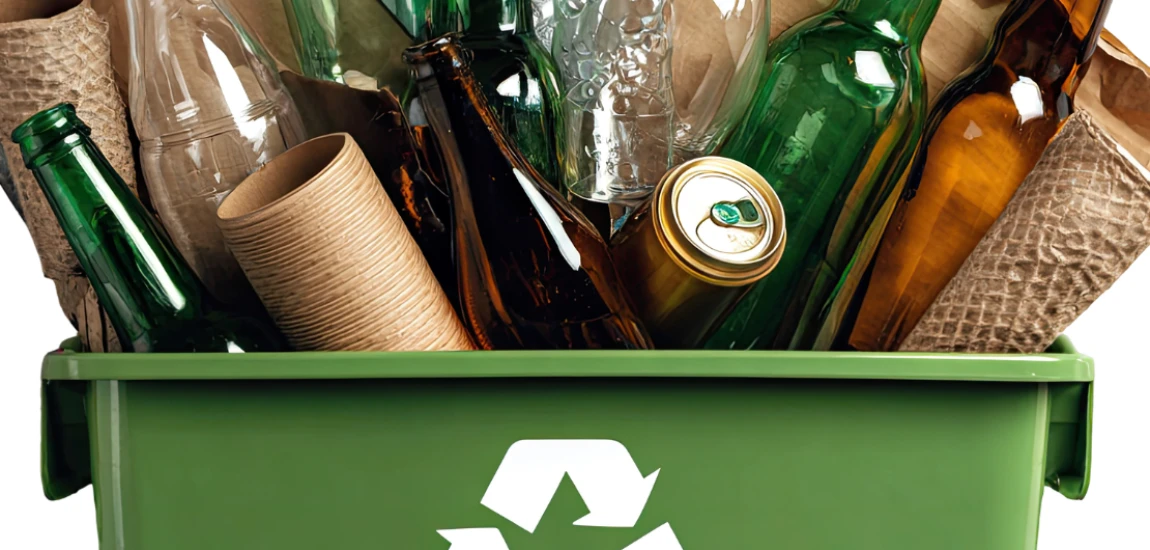
Recycling systems work best when materials are separated according to local collection requirements. Tourism businesses commonly handle paper, cardboard, glass, metals, selected plastics, and electronic equipment.
Clearly labeled collection points help staff and visitors sort waste correctly. Signs should use simple language and, where appropriate, pictures showing which materials belong in each container.
Businesses must follow the requirements of their local waste management providers. Not every plastic product is recyclable in every location, and contaminated packaging may be rejected.
Partnering with Recycling Providers
Hotels, restaurants, resorts, and attractions can develop partnerships with reputable recycling providers to collect suitable materials and process them responsibly.
Before entering an agreement, businesses should confirm which materials are accepted, how frequently collections occur, and what happens to the recovered materials after collection.
These arrangements can also improve reporting. Providers may supply collection records or weight estimates that help businesses measure performance and identify opportunities for improvement.
Recovering More Than Everyday Packaging
Resource recovery extends beyond bottles, cans, and cardboard. Tourism businesses may generate scrap metal, used cooking oil, textiles, electronic equipment, and construction debris.
Depending on local regulations and available services, these materials may be suitable for specialized recovery programs. For example, properly collected used cooking oil may be processed for approved industrial applications, while obsolete electronics can be handled by qualified electronic waste recyclers.
Safe storage and appropriate handling are essential, particularly for batteries, chemicals, and electronic components.
By building reliable recovery partnerships, tourism businesses can divert suitable materials from disposal and support a more resource-efficient destination economy.


Kate McCulley, the voice behind "Adventurous Kate," provides travel advice tailored for women. Her blog encourages safe and adventurous travel for female readers.
Kate McCulley

Prev Post
Next Post