
Bioelectronic Neural Interface Platforms and the Future of Intelligent Human–Machine Symbiosis
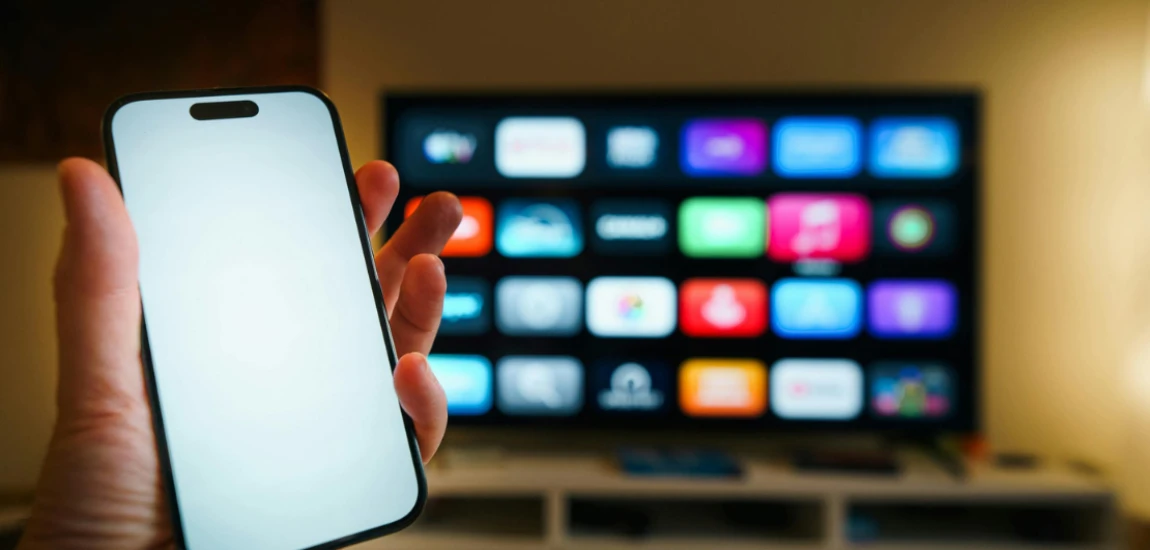
The convergence of neuroscience, artificial intelligence, bioelectronics, and advanced computing is transforming the relationship between humans and machines. Traditional computers rely on keyboards, touchscreens, and voice commands for interaction, but emerging Bioelectronic Neural Interface Platforms aim to establish direct communication between the human nervous system and digital technologies. By translating neural activity into digital signals and converting computer-generated information into biological responses, these systems are creating the foundation for intelligent human–machine symbiosis.
Neural interface technologies combine brain-computer interfaces (BCIs), implantable bioelectronics, wearable neurodevices, machine learning, advanced sensors, and wireless communication to enable real-time interaction between the brain and external systems. These innovations are advancing medical treatments for neurological disorders, restoring mobility for individuals with paralysis, improving rehabilitation, and opening new possibilities for communication, education, industrial operations, and immersive computing.
Governments, research institutions, healthcare organizations, and technology companies are investing heavily in neural interface research because of its potential to revolutionize medicine and redefine how humans interact with intelligent machines. As bioelectronic technologies continue advancing, intelligent neural platforms are expected to become a critical component of future healthcare, human augmentation, and adaptive computing systems. This article explores the technologies, applications, benefits, challenges, and future trends shaping bioelectronic neural interface platforms.
Understanding Bioelectronic Neural Interface Platforms

The Science Behind Neural Interfaces
Bioelectronic neural interfaces create communication pathways between the nervous system and electronic devices by recording, interpreting, and stimulating neural activity. Specialized electrodes detect electrical signals generated by neurons, while sophisticated software translates these signals into commands that computers, robotic devices, or medical systems can understand.
Some neural interfaces operate non-invasively using wearable sensors placed on the scalp, while others involve implantable devices positioned directly within or near brain tissue. Implantable systems generally provide higher signal quality, whereas non-invasive technologies offer greater accessibility and reduced medical risk.
Advances in neuroscience continue improving researchers' understanding of how neural circuits encode movement, speech, memory, and sensory perception, enabling increasingly sophisticated human–machine communication.
Technologies Driving Intelligent Human–Machine Symbiosis
Bioelectronic neural platforms integrate several cutting-edge technologies into unified neurotechnology ecosystems. Artificial intelligence analyzes complex neural signals using machine learning algorithms capable of recognizing patterns associated with movement, intention, speech, and cognitive activity.
Advanced biosensors capture electrical activity from the brain, spinal cord, muscles, and peripheral nerves. Flexible bioelectronic materials improve long-term compatibility with biological tissue while reducing inflammation and enhancing signal stability.
Wireless communication enables real-time data exchange between implanted devices, wearable electronics, cloud computing platforms, and external robotic systems. Edge computing processes critical neural information locally, minimizing latency and supporting immediate responses in medical and assistive applications.
Why Neural Interface Platforms Matter
Millions of people worldwide live with neurological disorders, paralysis, hearing loss, vision impairment, or movement disabilities that limit communication and independence. Bioelectronic neural interface platforms offer new treatment possibilities by restoring lost neurological functions and enabling direct interaction with assistive technologies.
Beyond healthcare, neural interfaces may eventually improve workplace productivity, immersive education, adaptive robotics, and advanced computing by creating more intuitive forms of human-computer interaction. These technologies represent an important step toward more natural integration between biological intelligence and artificial intelligence.
As research progresses, neural interface platforms may fundamentally reshape how humans communicate with digital systems across nearly every aspect of society.
Artificial Intelligence as the Intelligence Layer of Neural Interfaces

AI Decodes Complex Neural Signals
The human brain generates extraordinarily complex electrical activity that varies continuously across different individuals and situations. Artificial intelligence plays a central role in interpreting these signals by identifying meaningful neural patterns associated with specific thoughts, movements, or intentions.
Machine learning algorithms analyze thousands of neural measurements simultaneously, improving decoding accuracy through continuous learning. These systems become increasingly personalized by adapting to each user's unique neural characteristics over time.
Accurate neural decoding enables individuals to control computers, robotic limbs, communication devices, and smart environments using brain activity alone, significantly improving accessibility for people with severe physical disabilities.
Adaptive Brain-Computer Interfaces
Modern brain-computer interfaces continuously learn from user interactions rather than relying solely on fixed programming. Artificial intelligence evaluates performance, adjusts decoding models, reduces errors, and enhances responsiveness as users become more experienced with the system.
Adaptive BCIs support smoother communication by recognizing subtle neural changes associated with attention, fatigue, emotional state, or cognitive workload. This continuous optimization improves long-term usability while reducing user training requirements.
As AI models become increasingly sophisticated, future neural interfaces will offer more natural, reliable, and intuitive communication between humans and intelligent machines.
Intelligent Neurofeedback and Personalized Therapy
Artificial intelligence also enhances neurofeedback therapies by analyzing brain activity in real time and providing personalized interventions that support rehabilitation and cognitive improvement. Patients recovering from stroke, traumatic brain injury, or neurological disorders receive adaptive therapeutic exercises tailored to their individual neural responses.
Machine learning identifies treatment strategies that produce the greatest improvements while continuously optimizing therapy protocols based on patient progress. Physicians receive detailed clinical insights that support more informed treatment decisions.
These intelligent therapeutic systems demonstrate how bioelectronic neural interfaces extend beyond communication technologies into personalized healthcare, improving recovery outcomes and enhancing long-term neurological well-being.
Real-World Applications of Bioelectronic Neural Interface Platforms

Revolutionizing Healthcare and Neurological Rehabilitation
Bioelectronic Neural Interface Platforms are transforming healthcare by providing innovative treatments for neurological disorders and physical disabilities. Brain-computer interfaces enable individuals with paralysis, spinal cord injuries, and neurodegenerative diseases to communicate with computers, operate robotic limbs, and control assistive technologies using neural activity. These advancements significantly improve independence and quality of life.
Artificial intelligence continuously interprets neural signals to improve movement accuracy and device responsiveness. Patients recovering from strokes can use neurofeedback systems and robotic rehabilitation devices that adapt therapy sessions based on real-time brain activity. Personalized rehabilitation programs accelerate recovery by targeting specific neural pathways and encouraging neuroplasticity.
Researchers are also developing neural interfaces to help treat epilepsy, Parkinson’s disease, chronic pain, depression, and hearing disorders through targeted electrical stimulation. As these technologies mature, intelligent neural platforms will expand treatment options while improving long-term clinical outcomes for millions of patients worldwide.
Enhancing Human–Machine Collaboration and Intelligent Robotics
Neural interface technology is enabling more natural communication between humans and intelligent machines. Instead of relying solely on keyboards, touchscreens, or voice commands, users can interact directly with robotic systems through neural signals. This capability increases speed, precision, and efficiency in environments where conventional interfaces may be impractical.
Industrial workers may eventually operate collaborative robots through brain-computer interfaces that interpret movement intentions before physical actions occur. Surgeons could control robotic surgical systems with greater precision, while engineers may interact with complex machinery using thought-guided commands supported by artificial intelligence.
Advanced neurotechnology also improves wearable exoskeletons that assist individuals with mobility impairments or physically demanding occupations. AI continuously adapts robotic assistance according to user intentions, muscle activity, and environmental conditions, creating highly responsive human-machine partnerships.
Transforming Education, Communication, and Immersive Computing
Bioelectronic neural interfaces have the potential to reshape education, communication, and digital interaction by enabling more intuitive access to information. Future educational platforms may personalize learning experiences by analyzing cognitive engagement, attention levels, and learning progress in real time.
Individuals with severe speech impairments could communicate using AI-powered neural decoding systems that translate intended speech directly into synthesized voice or digital text. This technology offers life-changing communication opportunities for people affected by conditions such as amyotrophic lateral sclerosis (ALS) and other neurological disorders.
Immersive computing environments, including virtual reality and augmented reality, may also integrate neural interfaces to create seamless interaction with digital content. Users could manipulate virtual objects, navigate digital environments, and collaborate naturally using neural activity rather than traditional handheld controllers.
Challenges Facing Bioelectronic Neural Interface Platforms

Engineering Complexity and Long-Term Reliability
Developing reliable neural interface systems remains one of the greatest engineering challenges in modern neurotechnology. Neural signals are highly complex and vary among individuals, making accurate decoding difficult. Implantable devices must also remain functional for many years without causing tissue damage or losing signal quality.
Researchers continue improving electrode materials, flexible bioelectronics, wireless communication, and biocompatible coatings to enhance long-term stability. Reducing power consumption while maintaining continuous operation is another important objective for implantable devices.
Continued innovation in materials science, neuroscience, and electronics will support the development of safer, more durable neural interface platforms suitable for widespread clinical use.
Privacy, Cybersecurity, and Ethical Considerations
Because neural interfaces process highly personal brain activity, protecting user privacy is critically important. Secure encryption, authenticated communication, and advanced cybersecurity measures are essential for preventing unauthorized access to sensitive neurological information.
Ethical considerations also include informed consent, data ownership, cognitive privacy, and responsible use of artificial intelligence. Policymakers and technology developers must establish clear regulations governing neural data collection, medical applications, and commercial use.
Maintaining transparency and strong ethical oversight will encourage public trust while supporting responsible advancement of intelligent neurotechnology.
Accessibility, Regulation, and Workforce Development
Although neural interface technologies continue advancing rapidly, widespread adoption depends on affordability, regulatory approval, and access to specialized healthcare professionals. Clinical testing must demonstrate long-term safety, effectiveness, and reliability before routine medical implementation.
Healthcare providers, engineers, neuroscientists, AI specialists, rehabilitation experts, and regulatory agencies must collaborate closely throughout technology development. Universities and research institutions also play a vital role in preparing skilled professionals capable of designing and managing future neurotechnology systems.
Expanding accessibility will help ensure these life-changing technologies benefit patients worldwide rather than remaining limited to specialized research centers.


Shivya Nath authors "The Shooting Star," a blog that covers responsible and off-the-beaten-path travel. She writes about sustainable tourism and community-based experiences.
Shivya Nath
Prev Post