Life is way too short to be bored, and our Entertainment blogs are proof. From the latest blockbuster movies to hilarious viral trends, we cover everything that makes life fun. Need a new series to binge without regretting the 3 AM bedtime? We’ve got recommendations. Want to know which memes are breaking the internet before your group chat spoils them? We’ve got that too. Movies, games, music, and the occasional guilty-pleasure reality show—if it makes you laugh, gasp, or sing along, it’s here. Entertainment isn’t just a break from life; it’s the best part of it. Grab your popcorn and scroll responsibly—you might stay here longer than you planned.
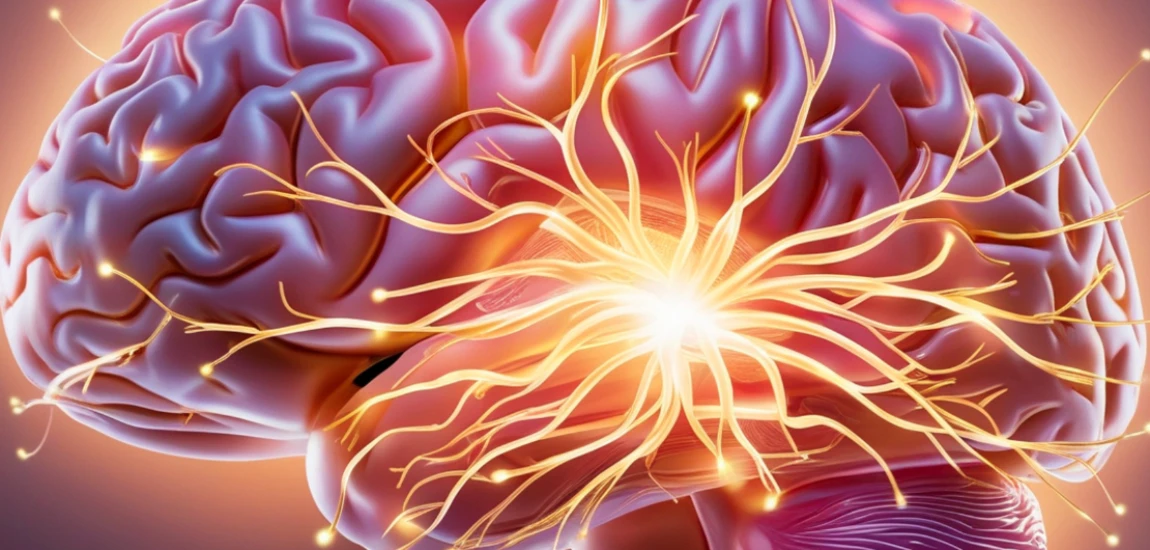
As AI systems evolve, they’re not just processing data—they’re telling stories about humanity. “Neural Mythos” explores the narratives that emerge when algorithms learn, generate, and reinterpret human experience, revealing how technology has become our newest mythmaker.
Every click, swipe, and scroll is political. Behind every interface lies a web of decisions that guide, limit, and influence our digital behavior. “The Politics of Interface” uncovers how design functions as a form of soft power—structuring what we see, how we feel, and who ultimately benefits from our attention.
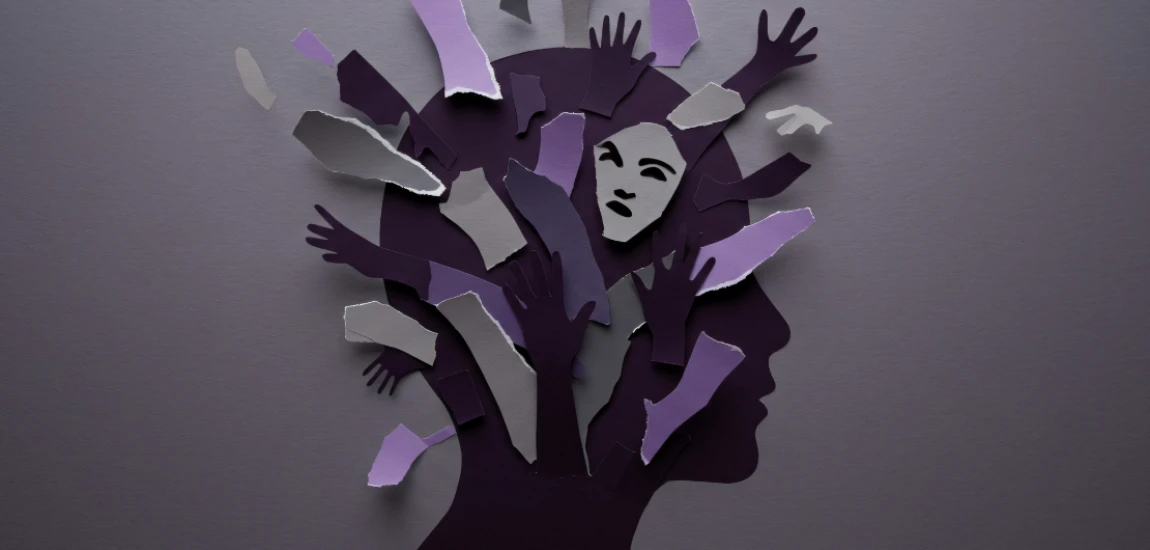
In the age of infinite feeds, attention has become our most valuable—and most exploited—resource. “Fragmented Consciousness: Living in the Scroll” explores how the digital environment divides our thoughts, rewires our sense of time, and reshapes the way we experience selfhood in the algorithmic era.
In an age where data outlives the body, the boundaries between life and death blur. “The Digital Afterlife” explores how technology preserves memory, reconstructs identity, and redefines what it means to exist beyond mortality. As we upload, archive, and immortalize ourselves online, our afterlife is no longer spiritual—it’s digital.
We once built spaces to shelter us; now, they’re beginning to think alongside us. Ambient Intelligence marks a new phase in human evolution—where technology disappears into the background, and our surroundings quietly observe, learn, and adapt. From responsive homes to sentient cities, we are entering an era where the environment itself becomes a participant in our lives.
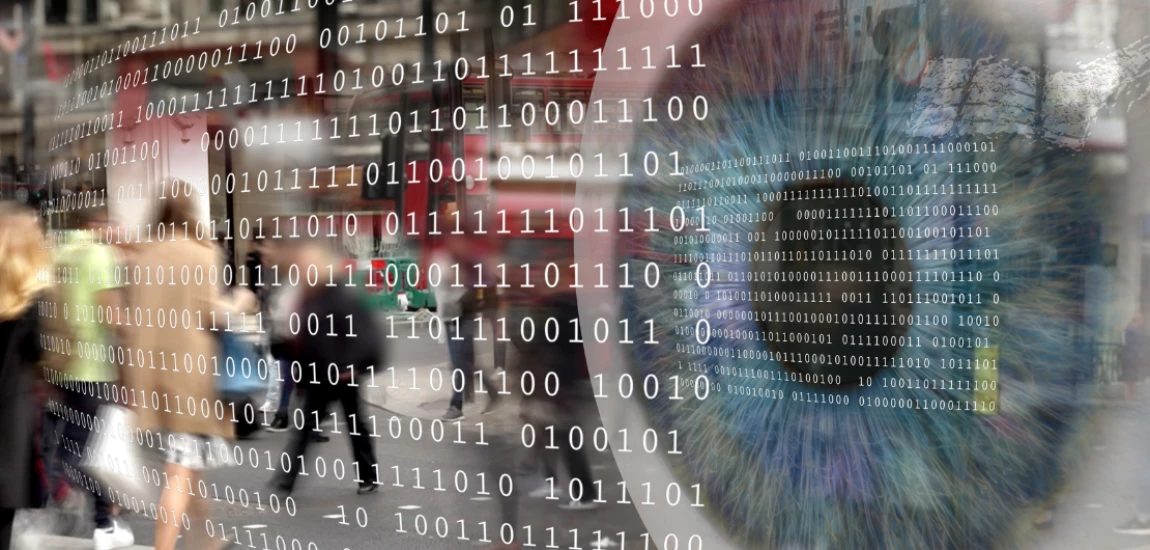
In a world where visibility is currency, we willingly trade our privacy for connection, attention, and belonging. Soft surveillance—the subtle, seductive form of being watched—has reshaped how we perform identity, experience intimacy, and negotiate control in digital life. This essay explores how the gaze of the algorithm has replaced the panopticon with the mirror, and how the desire to be seen keeps us complicit in our own observation.
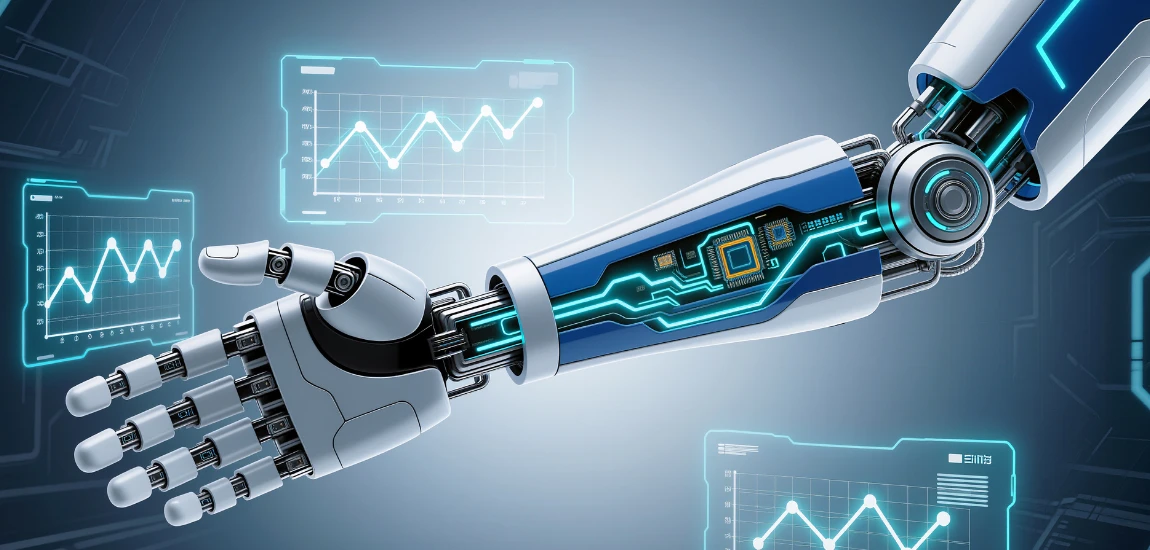
The age of static software is ending. Algorithms are no longer just following human-written instructions—they’re rewriting them. Algorithmic evolution marks a new phase in technological intelligence, where code adapts, mutates, and evolves on its own. As AI begins to write itself, we stand at the threshold of a new digital species—one that challenges our definitions of creativity, control, and consciousness.
In a world where machines generate art, compose music, and design our digital experiences, a new question arises: can beauty exist without a maker? The aesthetic of automation explores the strange, sublime intersection where creativity meets computation—where algorithms craft what once required intuition, and artistry becomes a byproduct of code rather than consciousness. This is the story of how automation is reshaping our sense of beauty, originality, and meaning.
As our lives migrate to screens and clouds, something quietly lingers—the memory of touch, texture, and imperfection. Data nostalgia describes the longing for the tangible, the analog traces of human experience that digital precision can never fully replicate. From vinyl records to Polaroids, handwritten letters to film cameras, this nostalgia isn’t about rejecting technology—it’s about remembering what it feels like to exist outside its flawless logic.
As artificial intelligence learns to interpret, mimic, and respond to human emotions, we’re entering an age where machines appear to care. But can empathy ever be coded? This deep dive into synthetic empathy explores the psychological, ethical, and technological frontiers of emotional AI—revealing what it means to feel in an age of algorithms.