
Soft Surveillance: The Seduction of Being Seen
The shift from control to consent
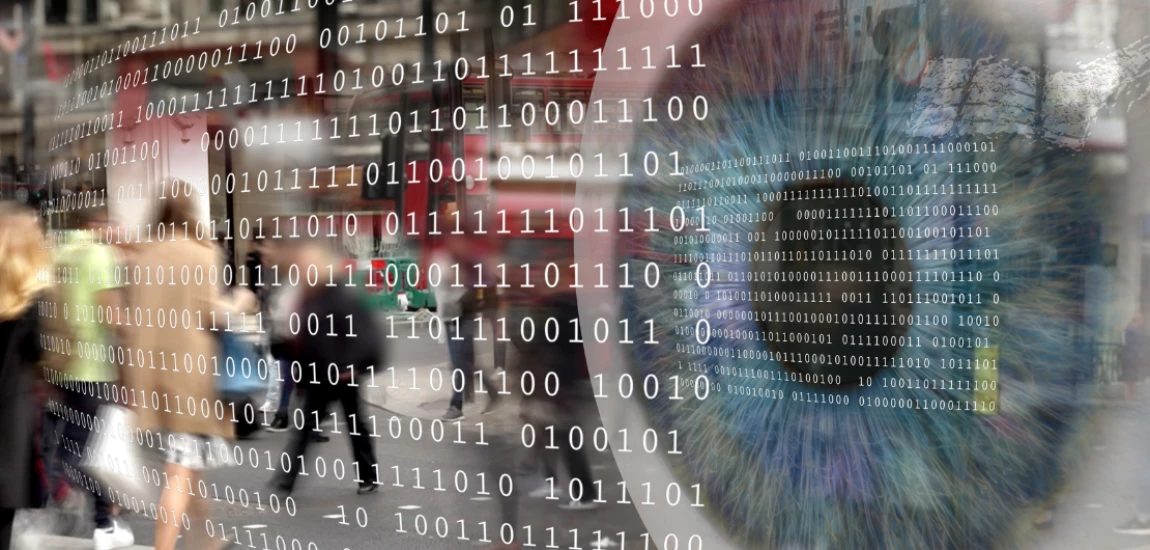
Traditional surveillance was once defined by coercion—CCTV cameras, government monitoring, corporate oversight. It was an act of power imposed upon the watched. Today, however, surveillance has become something we participate in voluntarily. We post, tag, share, and check in—not because we are forced to, but because visibility has become a form of validation. This marks the rise of soft surveillance: a cultural and psychological shift where being seen feels like freedom, even when it’s quietly binding us.
The allure of visibility
In digital culture, attention equals existence. To be unseen is to be irrelevant. Social media platforms exploit this desire by framing visibility as empowerment: “Share your story,” “Show the real you,” “Go live.” Each act of self-disclosure feeds algorithms that track, predict, and profit from our behavior. Yet, the feedback loop of likes and views feels rewarding enough that the cost—our data, privacy, and autonomy—becomes invisible.
From fear to fascination
What’s remarkable is how fear of surveillance has been replaced by fascination. The camera lens no longer represents intrusion but invitation. We curate ourselves for the gaze, perform our personalities for platforms, and find comfort in the continuous presence of watchers—friends, followers, and algorithms alike. The seduction of being seen has become one of the defining psychological features of our age.
The Architecture of Soft Surveillance

Platforms as digital mirrors
Every platform—from Instagram to TikTok—functions as both stage and mirror. These systems are designed to encourage participation, to make users willingly supply the data that fuels corporate and governmental visibility regimes. Likes, views, and shares become the emotional architecture of control, making surveillance pleasurable. Each notification reinforces the illusion of agency: you chose to post, even if the platform engineered that choice.
The algorithmic gaze
Unlike traditional observers, algorithms don’t “watch” in the human sense—they calculate. They transform behaviors into data, mapping patterns that predict future desires. Yet, this invisible form of observation feels personal. When a feed “knows” what we want before we do, it creates a sense of intimacy between user and machine. This is the genius of soft surveillance—it cloaks itself in the language of care and customization.
The economy of data desire
Soft surveillance thrives on the economy of self-expression. Our data doesn’t just get harvested; it gets stylized, packaged, and sold back to us as personalized experiences. Recommendation systems, targeted ads, and curated feeds make us feel understood, while keeping us tethered to the cycle of digital consumption. The seduction lies in how this surveillance flatters us—it makes us feel seen, even loved.
The Psychology of Voluntary Exposure

The need to be witnessed
At its core, soft surveillance exploits a deeply human need: the desire to be acknowledged. From childhood, recognition affirms our identity. Digital life amplifies this dynamic, offering endless mirrors in which to see ourselves reflected back. Every like, comment, and share becomes a micro-dose of validation, a reminder that we exist in the eyes of others.
The performance of authenticity
Ironically, the more we strive to appear authentic online, the more curated we become. The “real me” becomes a product of optimization—adjusted for lighting, algorithmic trends, and audience engagement. This self-performance transforms surveillance into ritual: we monitor ourselves to fit the expectations of those watching. In the process, we internalize the gaze, becoming both the observer and the observed.
The comfort of being watched
For many, being seen online provides a sense of comfort—a digital companionship that feels safer than solitude. The constant flow of interaction simulates intimacy, blurring the boundary between personal connection and public performance. In this way, surveillance no longer feels like a threat but a form of belonging. We become complicit in our visibility because it feels like love.
The Aesthetics of Being Seen

The visual language of surveillance
In contemporary culture, surveillance aesthetics have become desirable. Think of the ring light’s glow, the “selfie” pose, or the cinematic framing of security footage used in music videos and films. What was once associated with exposure and vulnerability has been rebranded as aesthetic pleasure. To be surveilled is to be styled.
The influencer and the watcher
Influencers embody the perfect symbiosis between surveillance and seduction. Their lives are public by design, their worth quantified by metrics of attention. Yet, they are also masters of self-surveillance—carefully curating what to reveal and what to conceal. They invite the gaze while maintaining control over it, embodying the paradox of modern visibility: power through exposure.
The glamour of transparency
Brands and individuals alike sell transparency as authenticity. But transparency, in the age of data capitalism, is rarely neutral. It’s a performance that conceals its own structures of control. The aesthetic of openness—“nothing to hide”—becomes a subtle mechanism of compliance. The more we share, the less we notice the systems profiting from our disclosures.
From Panopticon to Self-Opticon: The Internalization of the Gaze

The evolution of the watcher
Michel Foucault’s Panopticon described a model of power where people regulate themselves because they might be watched. In the digital age, we’ve evolved past that: we now want to be watched. The Self-Opticon—a culture where individuals willingly monitor and display themselves—has replaced external discipline with internal desire.
The algorithm as invisible authority
In the Self-Opticon, authority no longer wears a uniform. It exists as code, hidden in algorithms that determine visibility. What gets rewarded in the feed becomes what we internalize as valuable. Thus, we conform not because we fear punishment, but because we crave validation. Control becomes emotional rather than physical—a feedback loop of affection and aspiration.
The ethics of visibility
The normalization of self-surveillance raises profound ethical questions. When exposure becomes currency, is privacy still a right or merely a luxury? And if we are all both watchers and watched, how do we define accountability? Soft surveillance erodes the moral boundaries that once separated observer from subject. We become complicit in systems that profit from our transparency.
Resisting the Seduction: Toward Digital Consciousness

Practicing digital discernment
The first step to resisting soft surveillance isn’t withdrawal—it’s awareness. Understanding how algorithms shape our behaviors allows us to navigate visibility with intention. Curating what we share, questioning why we share it, and recognizing the emotional triggers of platforms are small but significant acts of resistance.
Designing for privacy
Tech design doesn’t have to be manipulative. Designers and developers can build systems that prioritize digital dignity—giving users control over their visibility. Features like ephemeral sharing, data expiration, or local-only storage can shift the paradigm from extraction to empowerment. Design ethics, when foregrounded, can counter the seductions of surveillance capitalism.
The politics of invisibility
Choosing invisibility in an age of hyper-visibility can itself be a radical act. Digital minimalism, off-grid communities, and slow media movements all reflect a growing desire for disconnection from the gaze. To be unseen isn’t to disappear; it’s to reclaim agency over how we are represented and remembered.


Derek Baron, also known as "Wandering Earl," offers an authentic look at long-term travel. His blog contains travel stories, tips, and the realities of a nomadic lifestyle.
Derek Baron

Prev Post

Next Post