
Extended Reality Intelligence Systems and Mixed Reality Interaction Architectures
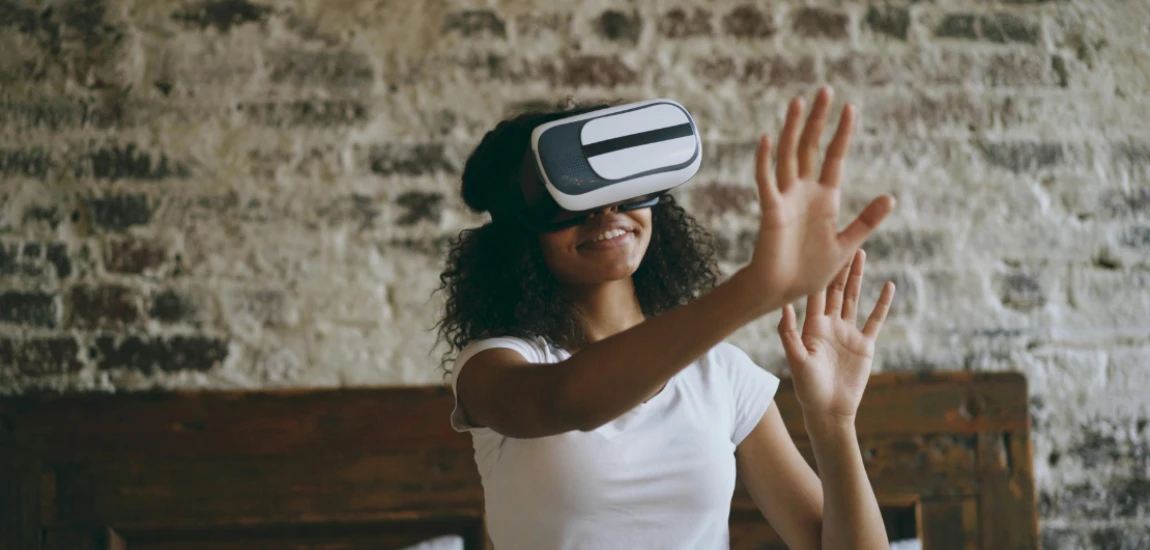
The digital world is rapidly evolving beyond traditional screens into immersive environments where physical and virtual realities merge seamlessly. At the center of this transformation are extended reality intelligence systems and mixed reality interaction architectures. These advanced technologies are redefining how humans interact with digital content by blending augmented reality (AR), virtual reality (VR), and real-world environments into unified experiences.
Extended reality (XR) is not just about visual immersion—it is about intelligent interaction. By integrating artificial intelligence, spatial computing, and real-time data processing, XR systems create environments that respond dynamically to user behavior. Mixed reality (MR), a subset of XR, allows digital objects to coexist and interact with the physical world in real time.
As industries such as education, healthcare, gaming, and enterprise collaboration adopt immersive technologies, the demand for intelligent XR systems continues to grow. This blog explores the architecture, technologies, applications, challenges, and future trends of extended reality intelligence systems in detail.
Understanding Extended Reality Intelligence Systems

What Is Extended Reality (XR)
Extended reality refers to a spectrum of immersive technologies that combine virtual and physical environments. It includes virtual reality (fully digital environments), augmented reality (digital overlays on the real world), and mixed reality (interactive blending of both).
XR intelligence systems enhance these environments by adding artificial intelligence capabilities that enable real-time adaptation and interaction. These systems create responsive digital ecosystems that adjust based on user behavior and environmental conditions.
Evolution of Immersive Technologies
The evolution of XR technologies has progressed from basic 3D simulations to fully interactive immersive environments. Early VR systems were limited by hardware constraints and lacked real-time interactivity.
Today, advancements in AI, graphics processing, and spatial computing have made it possible to create highly realistic and interactive XR experiences that are widely used across industries.
Core Components of XR Intelligence Systems
XR intelligence systems consist of several key components, including spatial mapping engines, AI processing units, and sensory input devices. These components work together to create immersive and interactive environments.
Sensors track user movement, AI interprets behavior, and rendering engines generate real-time visual feedback, enabling seamless interaction between users and digital environments.
Mixed Reality Interaction Architectures Explained

What Is Mixed Reality
Mixed reality combines elements of both augmented and virtual reality to create environments where digital and physical objects interact in real time. Unlike traditional AR, MR allows digital objects to respond to real-world physics and user interactions.
This creates highly immersive experiences where users can manipulate digital objects as if they exist in the physical world.
Architecture of MR Systems
Mixed reality architectures are built on layered systems that include perception, processing, and rendering layers. The perception layer collects data from the environment using cameras and sensors.
The processing layer interprets this data using AI algorithms, while the rendering layer generates interactive visual outputs that respond to user input.
Interaction Models in Mixed Reality
MR systems use advanced interaction models such as gesture recognition, voice commands, and eye tracking. These models allow users to interact with digital objects naturally and intuitively.
This enhances usability and creates more engaging immersive experiences.
Technologies Powering XR Intelligence Systems

Artificial Intelligence and Spatial Computing
Artificial intelligence plays a central role in XR systems by enabling real-time decision-making and adaptive environments. Spatial computing allows systems to understand and map physical spaces in real time.
Together, these technologies enable immersive environments that respond intelligently to user actions.
Computer Vision and Environmental Mapping
Computer vision technologies are used to analyze physical environments and create digital representations. These systems identify objects, track movement, and understand spatial relationships.
This information is used to align digital content accurately with the real world.
Haptic Feedback and Sensory Integration
Haptic technology enhances XR experiences by providing tactile feedback to users. This allows users to “feel” digital objects, making interactions more realistic.
Sensory integration systems combine visual, auditory, and tactile inputs to create fully immersive experiences.
Applications of Extended Reality Systems

Education and Immersive Learning
XR systems are transforming education by creating interactive and immersive learning environments. Students can explore complex concepts through 3D visualization and simulation.
This enhances understanding and improves engagement in educational settings.
Healthcare and Medical Training
In healthcare, XR technologies are used for surgical training, patient simulation, and medical visualization. Doctors can practice procedures in virtual environments before performing them in real life.
This improves accuracy and reduces risks in medical practice.
Enterprise Collaboration and Remote Work
Businesses are using XR platforms for virtual meetings, remote collaboration, and training. Mixed reality environments allow teams to interact in shared digital spaces.
This improves communication and productivity in remote work environments.


Kate McCulley, the voice behind "Adventurous Kate," provides travel advice tailored for women. Her blog encourages safe and adventurous travel for female readers.
Kate McCulley

Prev Post

Next Post