
AI-Powered Construction Technology Systems and Smart Infrastructure Automation Platforms
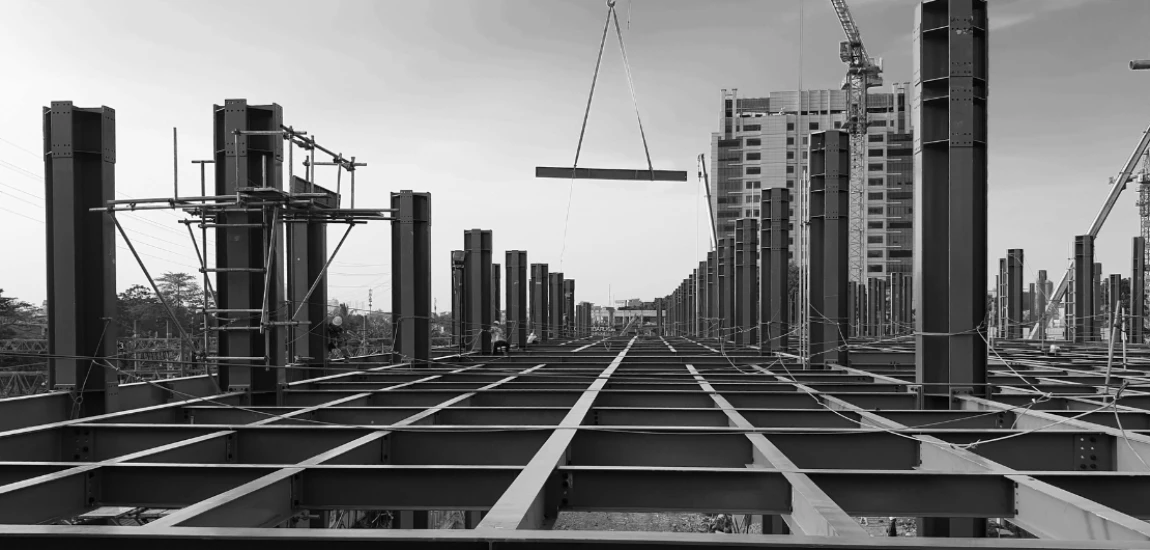
The construction industry is undergoing a major digital transformation driven by artificial intelligence, automation, and smart infrastructure technologies. Traditional construction methods, which often rely on manual planning and labor-intensive processes, are being replaced by AI-powered construction technology systems that bring precision, efficiency, and predictive intelligence to every stage of development.
Smart infrastructure automation platforms are at the heart of this transformation. These systems integrate AI, IoT sensors, robotics, and data analytics to manage construction projects in real time. From planning and design to execution and maintenance, these technologies ensure that infrastructure projects are completed faster, safer, and more cost-effectively.
As urbanization accelerates and global infrastructure demands increase, construction companies are adopting intelligent systems to improve productivity and reduce risks. This blog explores the architecture, technologies, applications, benefits, challenges, and future trends of AI-powered construction systems in detail.
Understanding AI-Powered Construction Technology Systems

What Are AI Construction Systems
AI-powered construction technology systems are advanced digital platforms that use artificial intelligence to plan, design, manage, and optimize construction projects. These systems analyze large datasets to improve decision-making and automate complex processes.
They help engineers and project managers predict project outcomes, optimize resource allocation, and reduce construction errors. By integrating AI into construction workflows, companies can significantly improve efficiency and accuracy.
Evolution of Construction Technology
The construction industry has evolved from manual drafting and physical modeling to digital design and automated construction processes. Early technologies such as CAD (Computer-Aided Design) laid the foundation for digital construction.
Today, AI and machine learning have taken construction to the next level by enabling predictive analytics, automated scheduling, and real-time monitoring of construction sites.
Core Components of AI Construction Systems
AI construction systems consist of several key components, including data analytics engines, machine learning models, and digital twins. These components work together to simulate construction environments and optimize project performance.
Sensors and IoT devices collect real-time data from construction sites, which is then processed by AI algorithms to guide decision-making and improve efficiency.
Smart Infrastructure Automation Platforms Explained

Role of Automation in Infrastructure Development
Smart infrastructure automation platforms are designed to streamline and optimize infrastructure development processes. These platforms automate tasks such as monitoring, scheduling, and resource management.
By reducing manual intervention, automation improves accuracy, reduces delays, and enhances overall project efficiency.
Real-Time Project Monitoring Systems
One of the key features of smart infrastructure platforms is real-time monitoring. Sensors and connected devices continuously collect data from construction sites.
This data is analyzed to track progress, identify issues, and ensure that projects stay on schedule and within budget.
Digital Coordination and Workflow Management
Smart platforms enable seamless coordination between different teams involved in construction projects. They integrate architects, engineers, contractors, and suppliers into a unified digital ecosystem.
This improves communication, reduces misunderstandings, and ensures smooth workflow execution.
Technologies Powering Smart Construction Systems

Artificial Intelligence and Predictive Analytics
Artificial intelligence is the backbone of modern construction systems. AI algorithms analyze historical and real-time data to predict project timelines, costs, and risks.
Predictive analytics helps identify potential issues before they occur, allowing proactive decision-making and risk mitigation.
Internet of Things (IoT) in Construction
IoT devices play a crucial role in smart construction systems. Sensors installed on machinery, materials, and structures collect real-time data on performance and conditions.
This data is used to monitor safety, track resources, and optimize construction processes.
Robotics and Automated Machinery
Robotics is transforming construction by automating repetitive and dangerous tasks. Robotic systems can perform tasks such as bricklaying, welding, and material handling with high precision.
This reduces labor costs and improves safety on construction sites.
Applications of AI-Powered Construction Systems

Smart City Development Projects
AI-powered construction systems are widely used in smart city projects. These systems help design and build intelligent urban infrastructure, including roads, bridges, and buildings.
They ensure efficient use of resources and improve urban planning.
Infrastructure Maintenance and Monitoring
Smart systems are used to monitor the condition of infrastructure such as bridges, roads, and buildings. AI algorithms detect structural weaknesses and predict maintenance needs.
This helps prevent accidents and extends the lifespan of infrastructure.
Construction Project Management
AI systems improve project management by optimizing schedules, budgets, and resource allocation. They provide real-time insights into project progress and performance.
This ensures timely completion of construction projects within budget constraints.


Derek Baron, also known as "Wandering Earl," offers an authentic look at long-term travel. His blog contains travel stories, tips, and the realities of a nomadic lifestyle.
Derek Baron

Prev Post

Next Post