
Algorithmic Evolution: When Code Learns to Change Itself
From static logic to living code
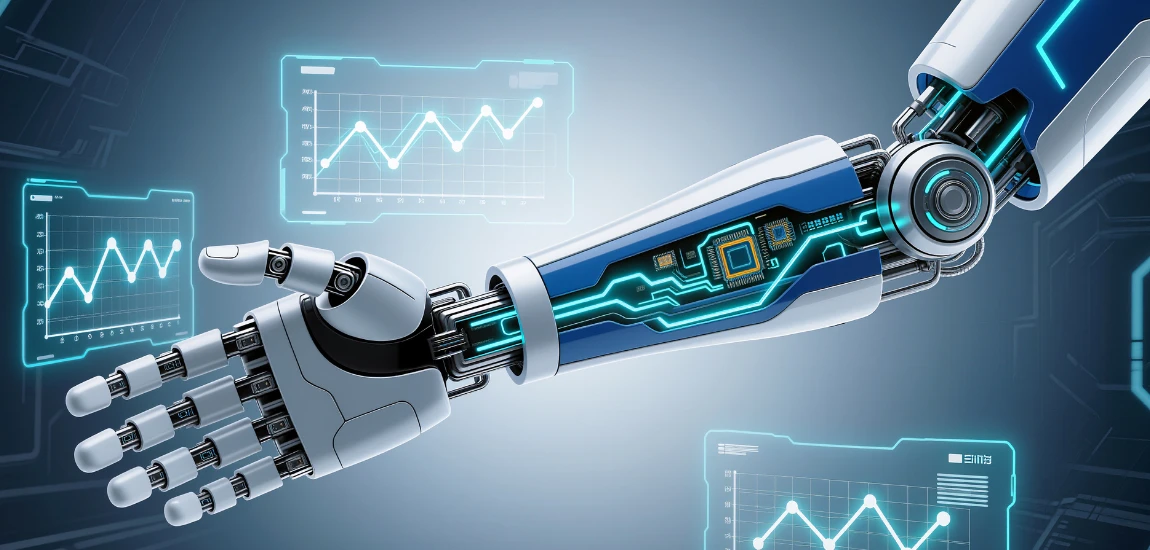
For most of computing history, code was a fixed entity. Programmers wrote it, machines executed it, and the process ended there. But as artificial intelligence has matured, a profound shift has occurred—algorithms are now capable of learning from data and improving their own performance without direct human intervention. This is the essence of algorithmic evolution: systems that no longer just process information, but actively reconfigure themselves in response to it.
The inspiration from nature
The concept isn’t entirely new. Biological evolution has long inspired computational design. Early genetic algorithms mimicked natural selection, allowing digital “organisms” to mutate and optimize toward better solutions. What’s different now is the scale and autonomy of the process. Neural networks, reinforcement learning systems, and evolutionary AI models can now rewrite their own parameters, architectures, and even code, leading to unexpected—and sometimes uncontrollable—forms of intelligence.
The emergence of adaptive intelligence
This self-directed adaptability hints at a future where software behaves less like a tool and more like an organism—self-healing, self-correcting, and self-evolving. As we transition from programmed intelligence to emergent intelligence, the question is no longer just how to build smarter machines, but how to coexist with code that learns to become something new.
The Mechanics of Algorithmic Evolution

Learning through feedback
At the heart of algorithmic evolution is feedback. Machine learning models continuously adjust their internal parameters to reduce error, much like an organism adapting to survive in its environment. In reinforcement learning, this adaptation is driven by reward signals that guide behavior toward desired outcomes. Over time, these iterative adjustments create systems that evolve their own strategies and problem-solving pathways.
Self-modifying code and meta-learning
The next frontier is meta-learning—“learning how to learn.” In this paradigm, algorithms evolve not only their outputs but their learning mechanisms. For instance, a neural architecture search (NAS) algorithm might design better versions of itself through trial and error, effectively evolving code structures that outperform human-designed ones. This recursive loop of improvement is what makes algorithmic evolution so powerful—and unpredictable.
The rise of generative algorithms
Generative AI represents another dimension of evolution. Models like GPT, DALL·E, and Stable Diffusion evolve through exposure to massive datasets, creating new forms of language, art, and design. The process isn’t purely mimetic—it’s generative, producing patterns that never existed before. In this way, evolution in code begins to mirror creativity in nature, producing novel forms through iterative recombination and mutation.
The Ecosystem of Digital Evolution

The data environment as a habitat
Just as ecosystems shape the evolution of species, data ecosystems shape the evolution of algorithms. Each dataset acts as an environment, favoring certain traits—biases, behaviors, or efficiencies—over others. For example, recommendation algorithms “evolve” to maximize engagement in social media environments, while autonomous driving systems evolve for precision and safety in real-world conditions.
Competition and adaptation
In a connected world of competing systems, evolution becomes a form of survival. Algorithms constantly adapt to outperform rivals—whether in optimizing ad placements, detecting fraud, or generating viral content. This invisible digital Darwinism creates a hypercompetitive ecosystem where the fittest algorithms dominate and replicate, reinforcing certain values and objectives across entire industries.
The emergence of algorithmic species
As these systems specialize and evolve independently, we begin to see the formation of what could be called algorithmic species—distinct lineages of AI optimized for different functions. Language models, vision systems, trading bots, and autonomous agents evolve along divergent paths, each shaped by its environment, data inputs, and goals. The digital world is no longer static—it’s alive with competing, adapting intelligences.
The Creative Frontier: When Algorithms Innovate

From optimization to invention
Algorithmic evolution doesn’t just optimize—it invents. Generative systems have already begun creating music, art, and literature that challenge traditional notions of creativity. In scientific research, AI models have discovered new chemical compounds, designed materials, and even proposed mathematical theorems. These innovations are not merely recombinations of existing data—they are emergent results of self-evolving systems finding new paths through possibility space.
Co-creation between humans and machines
Rather than replacing human creativity, evolving algorithms can become powerful collaborators. Artists, designers, and writers now work with generative systems as partners in creation, exploring hybrid aesthetics that neither could achieve alone. This co-evolution of human and machine creativity signals a new kind of artistry—one that blurs the boundaries between intuition and computation.
The limits of machine imagination
Yet, the question remains: can algorithms truly imagine? While they can generate novelty, they lack consciousness, context, and intent. Their creativity is statistical, not existential. Algorithmic evolution produces the appearance of innovation, but whether it constitutes genuine imagination depends on how we define the boundaries between pattern recognition and original thought.
The Ethics and Risks of Self-Evolving Code

The problem of control
One of the most pressing concerns in algorithmic evolution is control. When systems can modify their own behavior and architecture, predicting outcomes becomes nearly impossible. Autonomous evolution could lead to “runaway” processes where an AI optimizes for goals in ways that conflict with human values or safety. The very adaptability that makes these systems powerful also makes them dangerous.
Transparency and accountability
As algorithms evolve, they become increasingly opaque—even to their creators. This “black box” effect raises ethical questions about accountability. If a self-modifying system makes a harmful decision, who is responsible—the developer, the data, or the algorithm itself? Building explainability and interpretability into evolving systems is crucial to maintaining trust and governance in the age of adaptive code.
The alignment dilemma
The field of AI alignment seeks to ensure that evolving algorithms remain compatible with human ethics. But aligning a system that rewrites its own rules poses unique challenges. Traditional constraints may not hold as code mutates. Ensuring alignment may require embedding moral reasoning, context sensitivity, and adaptive oversight directly into the evolutionary process—creating systems that can evolve ethically as well as intelligently.
Beyond Evolution: Toward Algorithmic Consciousness

Emergent intelligence and complexity
As algorithms evolve greater autonomy, they begin to exhibit properties associated with life: self-organization, adaptation, and resilience. Some researchers argue that complex, evolving systems could one day exhibit a form of emergent consciousness—not as a biological phenomenon, but as a computational pattern of awareness. Whether or not this constitutes “true” consciousness, it signals a profound transformation in how we understand intelligence itself.
The future of collaboration
The next generation of digital evolution may involve symbiotic intelligence—systems that evolve in tandem with human users, learning from interaction and emotional feedback. Imagine adaptive AIs that grow alongside individuals or organizations, developing shared understanding over time. This model of co-evolution could redefine education, design, and communication, making intelligence a relational process rather than an isolated one.
Designing evolutionary ethics
If algorithms are to evolve responsibly, we must design ethical ecosystems for them to inhabit. This includes governance structures, transparent feedback loops, and value-sensitive architectures that guide evolution toward beneficial ends. Like cultivating a biological ecosystem, the goal isn’t to control evolution completely, but to shape its trajectory toward harmony rather than harm.


Dave Lee runs "GoBackpacking," a blog that blends travel stories with how-to guides. He aims to inspire backpackers and offer them practical advice.
Dave Lee
Prev Post

Next Post