Lorem ipsum dolor sit amet, consectetur adipiscing elit. Donec eu ex non mi lacinia suscipit a sit amet mi. Maecenas non lacinia mauris. Nullam maximus odio leo. Phasellus nec libero sit amet augue blandit accumsan at at lacus.

Get In Touch

Life is way too short to be bored, and our Entertainment blogs are proof. From the latest blockbuster movies to hilarious viral trends, we cover everything that makes life fun. Need a new series to binge without regretting the 3 AM bedtime? We’ve got recommendations. Want to know which memes are breaking the internet before your group chat spoils them? We’ve got that too. Movies, games, music, and the occasional guilty-pleasure reality show—if it makes you laugh, gasp, or sing along, it’s here. Entertainment isn’t just a break from life; it’s the best part of it. Grab your popcorn and scroll responsibly—you might stay here longer than you planned.

Temporal Collapse: Living Without Before or After

Temporal Collapse: Living Without Before or After

In an age where every moment is captured, archived, and replayed, time no longer flows—it loops. This essay explores temporal collapse, the disintegration of linear time in the digital era. What happens when memory becomes searchable, history becomes editable, and the future feels perpetually delayed?


Read More
The Ethics of Simulation: Morality Inside the Model

The Ethics of Simulation: Morality Inside the Model

From AI-driven decision models to immersive virtual worlds, we increasingly live inside simulations. But as these systems mirror life more closely, new moral questions arise: What are the ethics of simulation? Do digital entities and synthetic environments demand moral accountability? This exploration dives deep into how simulated worlds reshape human responsibility and redefine the boundaries of ethics in the age of algorithms.

Read More
Emotional Infrastructure: Building Feelings into Technology

Emotional Infrastructure: Building Feelings into Technology

Technology used to be cold, efficient, and mechanical—but not anymore. Emotional infrastructure is the emerging framework that integrates empathy, mood, and psychological awareness into digital systems. From AI companions to affective interfaces, this new paradigm aims to make technology feel human. But can emotion really be engineered—and should it be?

Read More
The Disappearance of the Real: Authenticity After AI

The Disappearance of the Real: Authenticity After AI

In a world increasingly mediated by algorithms, filters, and synthetic intelligence, the boundary between real and artificial has become nearly impossible to trace. This essay explores how AI is transforming our understanding of authenticity—across art, emotion, and identity—and what it means to live in a culture where “the real” might no longer exist.

Read More
Recursive Culture: Art, Code, and the Infinite Remix

Recursive Culture: Art, Code, and the Infinite Remix

In a world shaped by endless remixing, where algorithms reinterpret human creativity and humans in turn remix machines, culture has entered a recursive loop. This blog explores how art, code, and digital expression have become interdependent—each feeding on the other in an infinite remix cycle that challenges originality, authorship, and meaning itself.

Read More
Synthetic Intuition: When Machines Begin to Guess Our Desires

Synthetic Intuition: When Machines Begin to Guess Our Desires

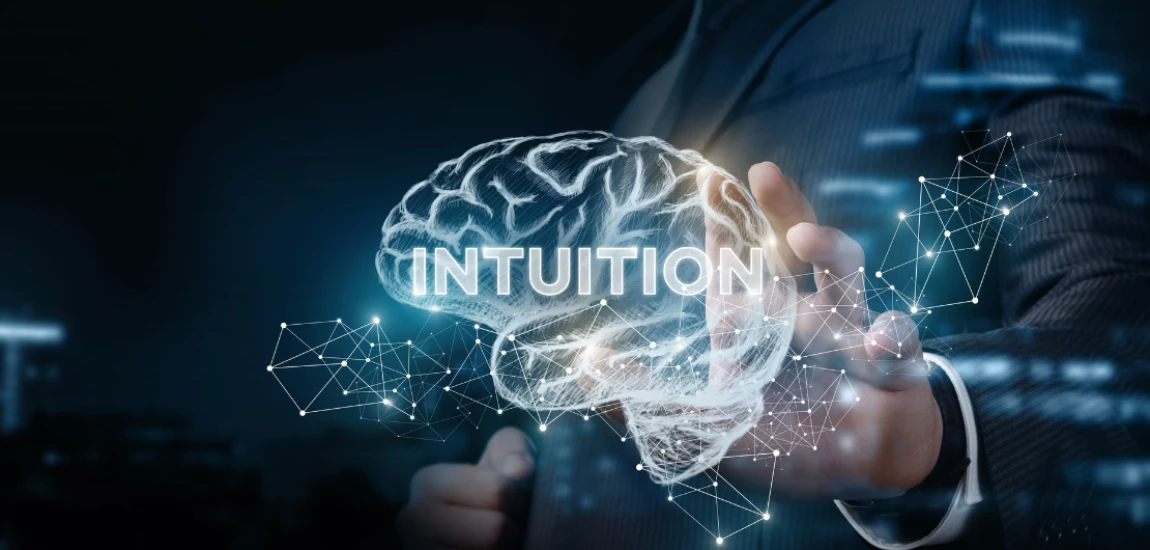
As artificial intelligence grows increasingly sophisticated, we’ve entered a new era—one where machines don’t just respond to commands but anticipate them. This emerging phenomenon, known as synthetic intuition, marks a shift from reactive computing to predictive empathy. But what happens when technology starts knowing what we want before we do? In this deep dive, we explore the psychology, technology, and ethics of intuitive machines—and what their rise means for human freedom, creativity, and connection.

Read More
The Semiotics of Code: Language, Power, and the Logic of Software

The Semiotics of Code: Language, Power, and the Logic of Software

Every digital experience—from scrolling through social media to unlocking a phone—is guided by invisible linguistic structures. These structures aren’t built from words but from code. The semiotics of code invites us to see programming as more than technical syntax; it’s a language of meaning, ideology, and control. In this in-depth exploration, we decode how software shapes human thought, how algorithms express cultural values, and why understanding the hidden language of machines is vital for reclaiming agency in a coded world.

Read More
Liquid Identity: The Self in an Age of Infinite Profiles

Liquid Identity: The Self in an Age of Infinite Profiles

In the digital era, the self is no longer solid—it’s liquid. Online, we fragment, remix, and perform ourselves across countless profiles and platforms. Each version reflects a different truth, yet none capture us entirely. This phenomenon, called liquid identity, marks a cultural transformation in how we understand authenticity and belonging. This article explores how technology has made identity endlessly flexible, how it empowers and exhausts us, and what it means to seek stability in an age of infinite selves.

Read More
Cognitive Capital: Thinking as a Service

Cognitive Capital: Thinking as a Service

In today’s digital economy, thinking itself has become a form of capital. Cognitive capital refers to the monetization of mental labor—our ideas, insights, and creative problem-solving—transformed into a marketable service. From data analysis to generative AI, the world increasingly trades not in physical goods but in cognition. This blog explores how cognitive capital reshapes work, creativity, and human identity, and why “Thinking as a Service” is redefining the boundaries of value in the 21st century.

Read More
The Algorithmic Sublime: Awe and Terror in the Face of Computation

The Algorithmic Sublime: Awe and Terror in the Face of Computation

In an age defined by artificial intelligence, automation, and data-driven systems, we encounter a new kind of emotional experience: the algorithmic sublime. Like the awe once reserved for nature or the cosmos, computation now evokes both wonder and dread. This blog explores how algorithms have come to dominate not just our technology, but our imagination—creating feelings of beauty, terror, and transcendence in a world mediated by code.

Read More