Lorem ipsum dolor sit amet, consectetur adipiscing elit. Donec eu ex non mi lacinia suscipit a sit amet mi. Maecenas non lacinia mauris. Nullam maximus odio leo. Phasellus nec libero sit amet augue blandit accumsan at at lacus.

Get In Touch

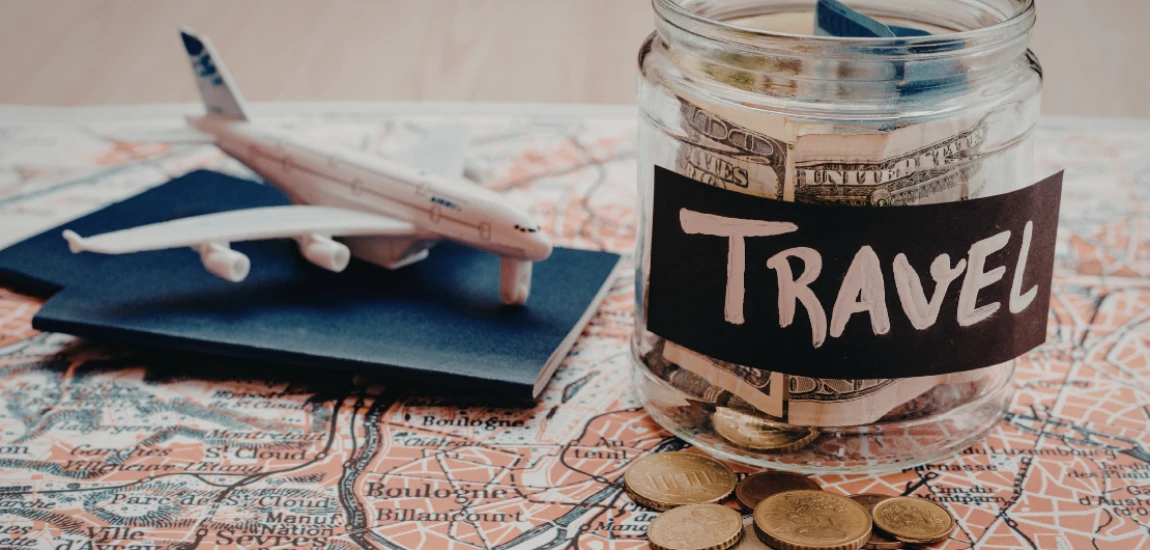
Travel isn’t just about visiting new places—it’s about collecting stories your friends will pretend to enjoy hearing… again. Our Travel page is your passport to adventure with destination guides, clever tips, and just enough humor to survive airport security with a smile.

From hidden gems to bucket-list wonders, we help you plan trips worth bragging about—without losing your luggage (hopefully). Want to dodge jet lag like a pro? Or snap that Instagram-perfect shot without wrestling a tour group for the view? We’ve got you.

Whether you’re booking a quick weekend escape or a grand “I’m definitely overpacking” journey, we make sure your trip is more than just a ticket—it’s a story worth retelling. Pack curiosity, leave the stress, and maybe triple-check your passport. Adventure awaits (and so does that overpriced airport coffee).

Responsible AI Integration Frameworks – Ensuring artificial intelligence supports human well-being and social stability.

Responsible AI Integration Frameworks – Ensuring artificial intelligence supports human well-being and social stability.

Seasonally adaptive tourism planning helps travelers choose destinations and activities based on the best seasonal climate conditions. By aligning travel plans with weather patterns and local seasonal highlights, travelers can enjoy more comfortable, memorable, and efficient trips.

Read More
Restorative Travel Environment Design: Creating Stress-Free and Mentally Rejuvenating Travel Experiences

Restorative Travel Environment Design: Creating Stress-Free and Mentally Rejuvenating Travel Experiences

Restorative travel environment design focuses on creating travel experiences that help people relax, recharge, and recover mentally. By combining calming environments, nature-based design, and mindful travel planning, destinations can support better emotional and psychological wellbeing for travelers.

Read More
Urban Density Navigation Strategies: Smarter Travel in Crowded Cities

Urban Density Navigation Strategies: Smarter Travel in Crowded Cities

Urban density navigation strategies help travelers and commuters move efficiently through crowded cities by identifying routes that reduce congestion and improve mobility. These strategies combine data, technology, and smart planning to create smoother urban travel experiences.

Read More
Cultural Immersion Mapping Models: Discovering Neighborhoods for Authentic Local Experiences

Cultural Immersion Mapping Models: Discovering Neighborhoods for Authentic Local Experiences

Cultural immersion mapping models help travelers move beyond tourist attractions by identifying neighborhoods where authentic local lifestyles thrive. These systems use cultural data, community patterns, and local activity insights to guide visitors toward genuine experiences.

Read More
Climate-Smart Route Planning Systems: Designing Travel Paths for a Cooler, Safer Journey

Climate-Smart Route Planning Systems: Designing Travel Paths for a Cooler, Safer Journey

Climate-smart route planning systems are transforming the way people move through cities. By combining weather forecasts, shaded pathways, and cooling infrastructure, travelers can choose safer and more comfortable routes—especially during extreme heat conditions.

Read More
Energy-Efficient Exploration Routes – Designing Travel Paths That Reduce Physical Fatigue Through Terrain and Infrastructure Analysis

Energy-Efficient Exploration Routes – Designing Travel Paths That Reduce Physical Fatigue Through Terrain and Infrastructure Analysis

Energy-efficient exploration routes help travelers design smarter travel paths that minimize physical fatigue by analyzing terrain elevation, walking distances, transportation infrastructure, and urban layout. This approach allows travelers to explore destinations comfortably while maximizing sightseeing opportunities.

Read More
Climate-Responsive Destination Planning – Selecting Travel Locations Based on Long-Term Environmental Stability and Seasonal Shifts

Climate-Responsive Destination Planning – Selecting Travel Locations Based on Long-Term Environmental Stability and Seasonal Shifts

Climate-responsive destination planning helps travelers choose destinations by analyzing long-term environmental stability, seasonal weather shifts, and climate patterns. This approach allows travelers to avoid extreme conditions, reduce travel risks, and enjoy more comfortable and sustainable travel experiences.

Read More
Urban Quiet-Zone Discovery Models – Identifying Low-Noise Areas in Dense Cities for Restorative Travel Experiences

Urban Quiet-Zone Discovery Models – Identifying Low-Noise Areas in Dense Cities for Restorative Travel Experiences

Urban quiet-zone discovery models help travelers locate peaceful spaces within busy cities by identifying low-noise areas such as parks, waterfronts, libraries, and hidden courtyards. By analyzing sound patterns, urban design, and local activity rhythms, travelers can enjoy restorative travel experiences even in the world’s most crowded destinations.

Read More
Behavior-Driven Tourism Mapping – Understanding How Local Movement Patterns Shape Authentic Travel Experiences

Behavior-Driven Tourism Mapping – Understanding How Local Movement Patterns Shape Authentic Travel Experiences

Behavior-driven tourism mapping focuses on understanding how residents move, socialize, and interact with their cities. By observing local movement patterns—such as commuting routes, popular gathering spots, and everyday activity hubs—travelers can discover authentic experiences beyond traditional tourist attractions.

Read More
Heat-Adaptive Urban Travel Systems – Planning City Exploration Using Temperature Patterns, Cooling Corridors, and Shade Infrastructure

Heat-Adaptive Urban Travel Systems – Planning City Exploration Using Temperature Patterns, Cooling Corridors, and Shade Infrastructure

Heat-adaptive urban travel systems help travelers plan city exploration more efficiently by using temperature patterns, shaded routes, and cooling corridors. This approach reduces heat exposure, improves comfort during sightseeing, and allows visitors to discover urban environments while adapting to climate conditions.

Read More