
Emerging Rural Destination Development – Transforming Lesser-Known Rural Areas into Sustainable Destinations
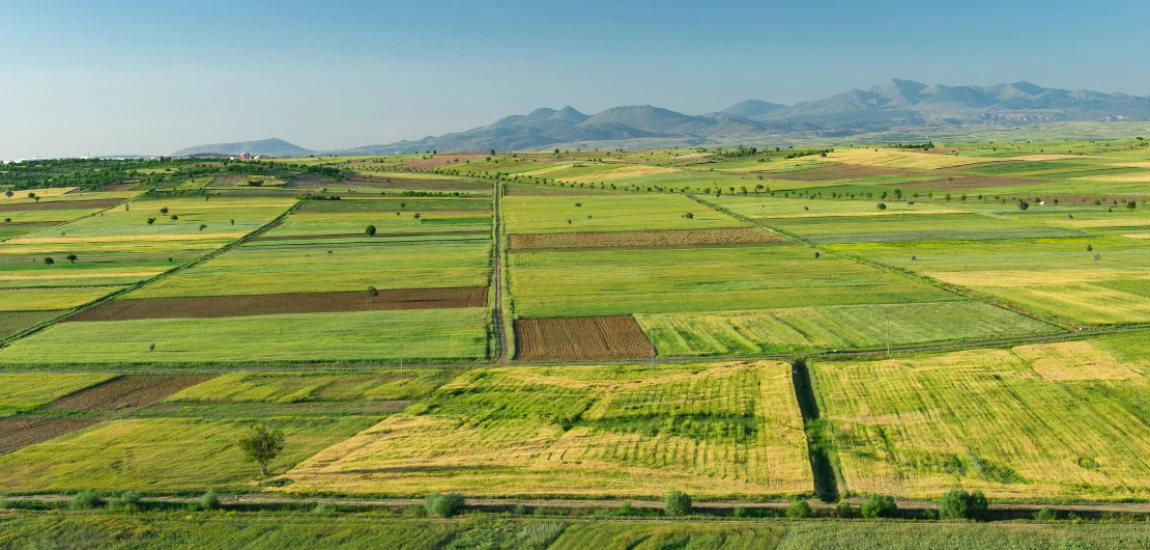
Rural areas often contain remarkable natural landscapes, traditional villages, historic landmarks, local crafts, regional cuisine, and cultural practices that remain unfamiliar to many travelers. Although these places may have significant tourism potential, they frequently lack the infrastructure, investment, marketing, and visitor services needed to attract sustainable tourism.
Emerging Rural Destination Development focuses on transforming lesser-known rural areas into attractive, responsible, and economically valuable destinations without losing their cultural identity or environmental quality. Rather than encouraging uncontrolled tourism growth, this approach emphasizes community participation, sustainable infrastructure, nature conservation, and opportunities for local businesses.
For example, a village known for traditional pottery could develop craft workshops, guided cultural walks, and artisan markets. A rural region with forests, rivers, or mountains might offer nature trails, birdwatching, locally guided excursions, and small-scale eco-accommodation.
Successful development requires more than promoting a destination online. Communities need suitable facilities, trained local workers, effective transportation, environmental safeguards, and a clear understanding of the visitors they want to attract.
This article explores six important strategies for developing emerging rural destinations while supporting local livelihoods, protecting cultural heritage, and creating long-term tourism opportunities.
Identifying Rural Tourism Potential and Developing a Clear Destination Vision

The first step in emerging rural destination development is understanding what makes a rural area distinctive. Every destination has its own combination of landscapes, cultural traditions, historical features, agricultural activities, and community knowledge. Identifying these strengths helps planners develop tourism experiences that reflect local identity rather than copying popular destinations.
A clear destination vision also prevents investment from becoming scattered across unrelated projects. Instead, tourism development can focus on a manageable set of attractions and experiences that work together.
Discovering Natural and Cultural Assets
Rural tourism assets may include mountains, rivers, wetlands, forests, farms, historic buildings, traditional markets, festivals, local food, and craft-making practices.
Destination planners can begin by conducting a local tourism inventory. This process involves documenting existing attractions, identifying seasonal activities, consulting residents, and evaluating which experiences could be shared responsibly with visitors.
For example, an agricultural village might offer seasonal fruit-picking activities, farm tours, regional cooking demonstrations, and visits to local producers. Another community might develop guided walks that connect historic architecture with traditional crafts and local storytelling.
The purpose is to identify authentic experiences that are already connected to local life.
Planners should also assess the condition of attractions, access routes, visitor facilities, and environmental sensitivities. A beautiful natural area may not be suitable for intensive tourism if it has fragile habitats or limited water supplies.
Creating a Sustainable Destination Development Plan
Once the main assets are identified, communities can establish a long-term vision for tourism development.
The plan should define the destination's identity, target visitor groups, priority projects, infrastructure requirements, environmental limits, and expected community benefits.
For example, a rural destination may choose to focus on cultural learning, outdoor recreation, agricultural tourism, or nature-based experiences rather than attempting to offer every type of activity.
A phased development plan can start with improvements that are relatively affordable, such as local guide training, clear signs, visitor information, and digital promotion. Larger projects can follow when demand, funding, and environmental suitability have been assessed.
Success should be measured through more than visitor numbers. Local employment, business income, resident satisfaction, cultural preservation, and environmental quality are also important indicators.
A clear vision helps rural destinations grow at a manageable pace while protecting the qualities that make them worth visiting.
Empowering Local Communities and Building Rural Tourism Businesses

Local communities are central to successful rural tourism development. Residents understand their area's traditions, environment, challenges, and opportunities. Their participation helps ensure that tourism responds to local priorities and that its benefits are shared more fairly.
When communities have meaningful decision-making power, tourism can become a tool for strengthening rural livelihoods instead of an activity controlled primarily by outside investors.
Supporting Local Entrepreneurship and Employment
Rural tourism can create opportunities for accommodation providers, farmers, guides, artisans, food producers, transport operators, and small retailers.
For example, a family may operate a guesthouse, a local cook may provide traditional meals, and an artisan may offer demonstrations or sell handmade products. These services can create several connected income opportunities from the same visitor experience.
Training programs can help residents develop skills in hospitality, customer service, digital marketing, bookkeeping, food safety, and sustainable business management.
Local authorities and tourism organizations can support entrepreneurs through business mentoring, small grants, access to finance, and partnerships with established travel operators.
Community-based businesses should also be visible on tourism websites and booking platforms. This makes it easier for travelers to find local services instead of relying exclusively on large external providers.
Ensuring Fair Participation and Local Benefits
Community participation should begin before major tourism decisions are made. Residents need opportunities to discuss proposed developments, identify concerns, and influence how tourism is managed.
For example, a village may welcome guided cultural walks but oppose construction that affects farmland or restricts access to a shared natural area. Consultation helps planners understand these priorities before committing resources.
Community tourism groups, cooperatives, and local business associations can help coordinate services, establish quality standards, and promote shared experiences.
Transparent agreements are important when outside investors become involved. They should clarify employment opportunities, payments, ownership arrangements, and responsibilities for environmental protection.
Tourism planners should also monitor whether rising visitor demand affects housing affordability, traditional livelihoods, or access to local resources.
By giving residents a meaningful role in tourism decisions, emerging rural destinations can build stronger local businesses, create employment, and ensure that development contributes to community wellbeing.
Protecting Rural Landscapes, Biodiversity, and Natural Resources

Nature is often one of the greatest attractions of rural destinations. Forests, wetlands, rivers, agricultural landscapes, mountains, and wildlife habitats can attract visitors seeking peaceful surroundings and outdoor activities.
However, tourism can also create environmental pressure through waste, traffic, excessive water use, habitat disturbance, and poorly planned construction. Sustainable rural destination development must protect natural resources while allowing suitable tourism activities to take place.
Developing Nature-Based and Low-Impact Tourism
Nature-based tourism can include hiking, birdwatching, cycling, wildlife observation, farm visits, and guided nature walks.
These activities can generate local income while encouraging visitors to appreciate the environment. Local guides can explain native species, agricultural practices, conservation challenges, and the importance of protecting sensitive habitats.
However, activities should be designed according to local ecological conditions. Wildlife tours need suitable viewing distances and responsible visitor behavior, while walking trails should avoid vulnerable habitats whenever possible.
Tourism planners should identify sensitive areas, establish appropriate visitor limits where needed, and provide clear guidance about litter, noise, wildlife interaction, and trail use.
Managing Water, Waste, and Rural Infrastructure
Rural areas may have limited waste collection, wastewater treatment, or reliable water supplies. An increase in visitors can put additional pressure on these services.
Before promoting tourism growth, communities should assess whether existing infrastructure can support expected demand.
Practical improvements may include waste separation, refillable drinking-water facilities, water-efficient accommodation, suitable wastewater systems, and local recycling partnerships.
Small tourism businesses can reduce environmental impacts by purchasing local products, limiting disposable packaging, using energy-efficient equipment, and maintaining existing buildings where practical.
Renewable energy systems may also be appropriate where local conditions and costs support them.
Environmental monitoring should continue as tourism develops. Communities can track waste volumes, water consumption, trail erosion, and changes in local habitats to identify problems early.
Protecting nature is not simply a marketing strategy. It preserves the environmental qualities that attract visitors and support rural livelihoods. A destination that conserves its landscapes and resources is better positioned to maintain its appeal over the long term.


Gary Arndt operates "Everything Everywhere," a blog focusing on worldwide travel. An award-winning photographer, Gary shares stunning visuals alongside his travel tales.
Gary Arndt

Prev Post

Next Post