
Intelligent Tourism Resource Optimization – Managing Water, Energy, and Other Resources Efficiently
Tourism supports employment, local businesses, cultural exchange, and economic development. However, hotels, resorts, restaurants, transport services, and popular attractions also consume significant amounts of water, energy, food, and other resources. When these resources are poorly managed, destinations may face rising operating costs, water shortages, unnecessary waste, environmental damage, and pressure on local communities.
Intelligent Tourism Resource Optimization provides a practical way to address these challenges. It combines smart sensors, artificial intelligence (AI), data analytics, forecasting, and resource management strategies to help tourism businesses and destinations use resources more efficiently.
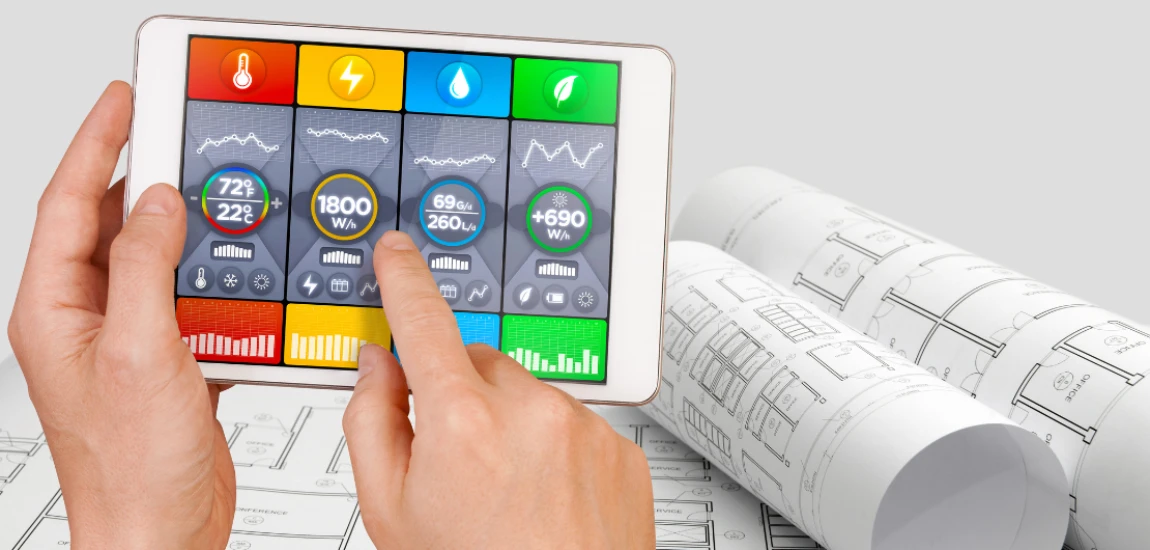
For example, a hotel can use smart meters to monitor water consumption, adjust air conditioning according to room occupancy, and identify unusual energy usage. A destination can forecast visitor demand to prepare public transportation, manage waste collection, and reduce pressure on local infrastructure.
The goal is not simply to consume fewer resources. It is to ensure that water, energy, materials, and public services are used where they create the greatest value without compromising visitor comfort or community wellbeing.
This article explores six important ways intelligent tourism resource optimization can improve efficiency, lower costs, and support more sustainable tourism development.
Understanding Intelligent Tourism Resource Optimization

Intelligent tourism resource optimization is the process of using technology, reliable information, and strategic planning to improve how tourism businesses and destinations manage their resources.
Traditional resource management often relies on fixed schedules, manual inspections, and historical averages. Although these methods can be useful, they may not respond quickly to changing weather conditions, visitor numbers, or unexpected demand.
Intelligent systems provide more detailed information about how resources are being used, allowing tourism managers to identify waste, anticipate demand, and make better decisions.
Identifying Resource Consumption Patterns
Tourism businesses use resources differently depending on their size, location, services, and seasonal demand. A beach resort may consume more water during hot weather, while a ski resort may require substantial heating during winter.
Smart meters and monitoring systems can record water, electricity, fuel, and other consumption patterns. Managers can compare usage across different periods and identify unusual increases.
For example, a hotel may discover that its laundry facilities consume more water than expected during periods of low occupancy. Further investigation could reveal inefficient equipment, leaking pipes, or unnecessary washing cycles.
Understanding these patterns helps businesses establish realistic targets and prioritize improvements.
Connecting Resource Management Systems
Resource optimization becomes more effective when different operational systems share relevant information.
A hotel management system may provide occupancy data, while building sensors monitor room temperature and electricity consumption. Combining these sources can help managers understand how energy demand changes with guest activity.
At a destination level, tourism authorities can coordinate information about visitor arrivals, public transport, water availability, waste collection, and infrastructure capacity.
This broader perspective helps prevent isolated decisions that create problems elsewhere. For instance, increasing visitor numbers without planning water supply or waste services may place additional pressure on local communities.
Intelligent optimization therefore requires both technological integration and clear management objectives.
Balancing Efficiency with Visitor Comfort
Reducing resource consumption should not mean compromising basic services. Visitors still need clean water, comfortable temperatures, safe facilities, and reliable transportation.
Effective optimization focuses on eliminating unnecessary consumption while maintaining service quality.
Tourism providers can begin with energy and water audits, establish measurable resource targets, and introduce improvements gradually. Regular monitoring then helps determine whether these changes reduce costs and environmental impacts without making the visitor experience less comfortable.
Improving Water Management Across Tourism Destinations

Water is essential for accommodation, food preparation, swimming pools, landscaping, cleaning, and sanitation. In destinations experiencing drought or seasonal water shortages, tourism demand can place additional pressure on local supplies.
Intelligent water management helps tourism businesses identify excessive consumption, prevent leaks, and allocate available water more responsibly.
Using Smart Sensors to Reduce Water Waste
Smart water meters and leak-detection sensors can monitor consumption and identify unusual changes. Instead of waiting for a high utility bill or visible damage, property managers may receive an alert when water use exceeds an established threshold.
For example, a resort could detect continuous overnight water flow that suggests a leaking pipe or faulty irrigation system.
Automated irrigation can also adjust watering schedules according to soil moisture, rainfall, and weather forecasts. This reduces unnecessary watering while helping maintain landscaped areas.
Hotels can complement these technologies with low-flow showerheads, efficient toilets, water-saving laundry equipment, and regular plumbing inspections.
Sensors should be calibrated and maintained properly to avoid false alerts. Staff also need clear procedures for investigating problems and taking corrective action.
Reusing Water and Planning for Shortages
Where regulations and local conditions permit, tourism facilities can consider greywater reuse for suitable non-drinking purposes, such as landscape irrigation or toilet flushing. Rainwater harvesting may also support selected uses when appropriate storage, treatment, and safety measures are in place.
These systems require careful design, monitoring, and compliance with local health and environmental standards.
Predictive analytics can further help destinations estimate future water demand using visitor forecasts, weather conditions, occupancy levels, and historical consumption.
For example, a destination expecting a busy holiday period during a dry season can review its water supply plans, communicate conservation guidance, and encourage businesses to prepare water-efficient operations.
Tourism organizations should coordinate with local water authorities and communities to ensure that resource-saving initiatives support the wider region rather than shifting shortages onto residents.
Optimizing Energy Consumption Through Smart Technology

Energy powers lighting, heating, cooling, kitchens, laundry facilities, transportation, and entertainment systems. Because tourism operations can be energy-intensive, improved efficiency offers both environmental and financial benefits.
Intelligent energy management uses monitoring, automation, and forecasting to match energy use more closely with actual demand.
Applying AI and Smart Building Controls
Smart building management systems can monitor temperature, lighting, ventilation, occupancy, and equipment performance.
For example, a hotel may adjust air conditioning in unoccupied meeting rooms while maintaining comfortable conditions in occupied guest areas. Lighting systems can use occupancy sensors to reduce unnecessary electricity consumption in corridors, storage rooms, and service spaces.
AI-powered analytics may identify recurring energy peaks or equipment that consumes more electricity than expected.
However, automation should respect guest preferences and safety requirements. Visitors should be able to control appropriate room settings, and essential systems should remain operational when needed.
Regular maintenance is also important because poorly maintained heating, ventilation, and cooling equipment can waste energy even when automated controls are installed.
Integrating Renewable Energy and Energy Storage
Solar panels, solar water heating, and other suitable renewable energy technologies can reduce dependence on conventional energy sources.
Hotels and resorts with suitable rooftops or available land may assess whether solar power can support daytime electricity demand. Battery storage can help manage differences between renewable generation and consumption, depending on system design and economics.
Intelligent energy systems can compare expected renewable generation with forecast demand to determine when energy should be stored, consumed, or drawn from the grid.
Tourism destinations should assess local weather, installation costs, maintenance requirements, grid conditions, and environmental impacts before selecting a technology.
A practical starting point is to conduct an energy audit, improve insulation, replace inefficient lighting, maintain equipment, and then evaluate renewable energy investments.
Combining efficiency improvements with appropriate clean energy solutions can reduce operating expenses while supporting broader sustainability goals.


Gilbert Ott, the man behind "God Save the Points," specializes in travel deals and luxury travel. He provides expert advice on utilizing rewards and finding travel discounts.
Gilbert Ott
Prev Post
Next Post