
Zero-Waste Tourism Management Systems – Reducing Waste Through Reuse and Circular Resource Management
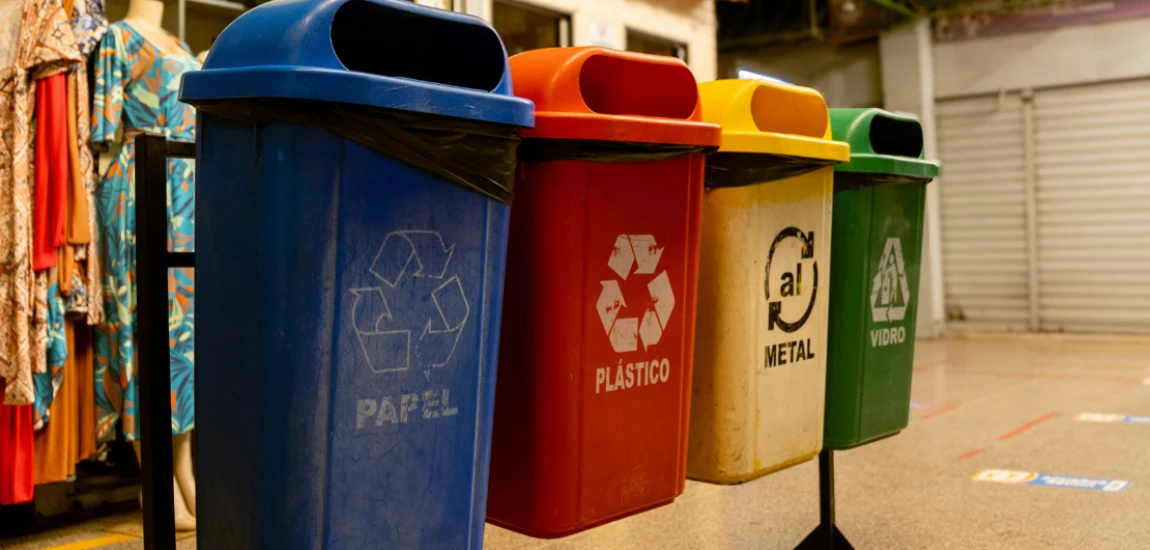
Tourism creates valuable economic opportunities, supports local businesses, and connects people with different cultures. However, it can also generate large amounts of waste through hotels, restaurants, transportation services, festivals, and visitor activities. Single-use packaging, leftover food, plastic bottles, disposable toiletries, and damaged materials can place significant pressure on local waste-management facilities and natural environments.
Zero-waste tourism management systems offer a practical approach to reducing these impacts. They focus on preventing waste before it is created, reusing materials, recycling suitable products, composting organic waste, and keeping valuable resources in circulation for as long as possible.
Instead of treating waste as something that must simply be collected and discarded, this approach views materials as resources that can serve another purpose. Hotels can reduce disposable products, restaurants can manage food more efficiently, and destinations can support local recycling and reuse businesses.
By combining circular resource management, responsible visitor behavior, sustainable purchasing, and smart technology, tourism destinations can protect natural landscapes while improving operational efficiency. The following sections explain how zero-waste tourism management systems work and how tourism businesses and communities can implement them successfully.
Understanding Zero-Waste Tourism Management Systems

What Zero-Waste Tourism Means
Zero-waste tourism aims to minimize the amount of material sent to landfills or released into the environment. It does not necessarily mean eliminating every form of waste immediately. Instead, it involves continuously reducing unnecessary consumption and improving how materials are managed throughout the tourism experience.
For example, a hotel can replace disposable water bottles with refill stations, provide reusable dining supplies, and introduce refillable bathroom products. Restaurants can adjust food purchasing according to demand, while tour operators can avoid unnecessary printed materials by offering digital guides.
These small changes become more effective when they form part of a coordinated management system.
The Role of Circular Resource Management
Circular resource management keeps products and materials useful for as long as possible. Traditional systems often follow a linear model: purchase, use, and discard. Circular systems prioritize reduction, reuse, repair, refurbishment, recycling, and responsible recovery.
Tourism businesses can purchase durable furniture, repair equipment instead of replacing it, donate suitable surplus supplies, and work with local suppliers that offer reusable packaging.
This approach can reduce waste-disposal expenses while creating opportunities for local enterprises that repair, collect, process, or redistribute materials.
Why Sustainable Waste Management Matters
Poor waste management can damage beaches, forests, rivers, and wildlife habitats. It can also reduce the appeal of destinations and create additional costs for local governments. Popular tourism areas may experience seasonal increases in waste that exceed their normal collection capacity.
Zero-waste tourism management systems help destinations prepare for these pressures by setting clear waste-reduction targets, assigning responsibilities, and monitoring results.
When tourism businesses, residents, public authorities, and visitors cooperate, waste prevention becomes a shared responsibility rather than a task left entirely to cleaning services.
Reducing Single-Use Plastics and Disposable Materials

Replacing Disposable Products With Reusable Alternatives
Single-use plastics are common in tourism because they are convenient and inexpensive to purchase. Water bottles, takeaway containers, plastic cutlery, straws, and miniature toiletries can accumulate quickly when visitor numbers increase.
Tourism businesses can reduce this waste by introducing refillable water stations, reusable cups, washable tableware, and refillable bathroom dispensers. Hotels can provide guests with clear information about these alternatives, making sustainable choices simple and convenient.
Businesses should also consider accessibility and hygiene requirements when selecting reusable products. Reusable systems work best when suitable washing facilities, collection points, and cleaning procedures are available.
Encouraging Sustainable Purchasing
Waste reduction begins before products arrive at a tourism facility. Businesses can select suppliers that use minimal packaging, provide products in bulk, or offer returnable containers.
For example, a restaurant may receive ingredients in reusable crates rather than disposable boxes. A hotel may purchase cleaning products in concentrated form and refill dispensers instead of replacing individual containers.
Purchasing teams should evaluate durability, repairability, packaging, and the availability of local alternatives. The cheapest product is not always the most economical option when replacement and disposal costs are included.
Making Reuse Convenient for Visitors
Visitors are more likely to participate in waste-reduction programs when the process is easy to understand. Destinations can install clearly marked refill stations, provide reusable shopping bags, and place waste-sorting facilities in accessible locations.
Hotels and tour operators can explain these services during booking, check-in, or trip preparation. Simple reminders can encourage travelers to carry reusable bottles, decline unnecessary packaging, and use refillable products.
The goal is not to make travel less comfortable. It is to design tourism experiences in which environmentally responsible behavior becomes the easiest and most practical choice.
Managing Food Waste Through Prevention and Recovery

Preventing Food Waste in Hotels and Restaurants
Food waste is a major challenge for tourism businesses, particularly hotels with buffets, resorts with multiple restaurants, and destinations that experience seasonal visitor fluctuations.
Businesses can reduce waste by forecasting customer demand, reviewing purchasing patterns, improving food storage, and preparing meals in appropriate quantities. Restaurants can also offer flexible portion sizes and allow guests to request additional servings instead of automatically receiving oversized portions.
Kitchen staff should record what gets discarded and why. If large amounts of a particular dish remain uneaten, managers can adjust preparation quantities or improve menu planning.
These practices help reduce food waste while controlling ingredient costs and making better use of available resources.
Donating Safe Surplus Food
Food that remains safe and suitable for consumption may be redirected to approved community organizations, food banks, or local support programs. Hotels and event organizers can establish donation procedures with trusted partners before surplus food becomes a problem.
Clear food-safety standards, appropriate storage temperatures, timely collection, and local legal requirements must guide these arrangements. Not all leftover food is suitable for donation, so businesses should assess it carefully.
Coordinated food donation can reduce disposal volumes while supporting community wellbeing and improving relationships between tourism operators and local residents.
Composting Organic Waste
Food scraps and suitable organic materials can be composted instead of being sent to landfills. The resulting compost may support gardens, landscaping, community farms, or agricultural activities, depending on its quality and local regulations.
Hotels with gardens may be able to use properly produced compost on their own grounds. Restaurants and tourism facilities without enough space can collaborate with municipal composting programs or local organic-waste processors.
Composting should complement waste prevention, not replace it. Preventing edible food from being wasted is generally preferable to composting it after disposal becomes unavoidable.


Derek Baron, also known as "Wandering Earl," offers an authentic look at long-term travel. His blog contains travel stories, tips, and the realities of a nomadic lifestyle.
Derek Baron

Prev Post

Next Post