
Automated Wealth Protection Frameworks for Strengthening Financial Security Across Economic Cycles
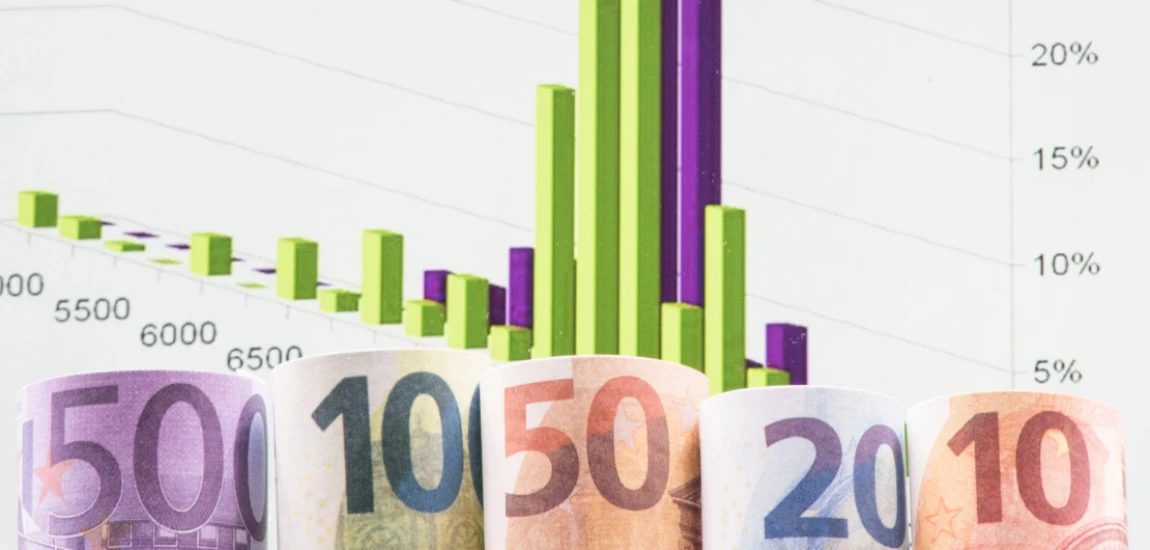
Financial security is rarely tested during stable economic periods. The real challenge appears when inflation rises, markets become volatile, income declines, borrowing costs increase, or unexpected expenses place pressure on household finances.
A financial plan designed only for favorable conditions can become fragile when circumstances change.
This is why automated wealth protection frameworks are becoming an increasingly useful concept in modern financial planning. Instead of relying entirely on manual decisions made during stressful periods, these frameworks establish financial rules and systems that can continue operating across different economic environments.
Automation can help direct income toward savings, maintain emergency reserves, monitor cash-flow requirements, and rebalance financial priorities when circumstances change. The objective is not to predict every economic cycle correctly. It is to create a financial structure that can remain functional even when the environment becomes less predictable.
A strong wealth protection framework begins with liquidity. Households need accessible funds for emergencies and short-term obligations. Beyond liquidity, they may need diversified financial assets, appropriate insurance, debt management strategies, and long-term savings plans.
The framework should also include financial guardrails.
For example, a household may establish a minimum emergency reserve, automatically redirect part of additional income toward savings, or temporarily reduce discretionary financial goals when cash flow becomes constrained.
These rules create consistency.
Instead of making completely new financial decisions every time economic conditions change, the household already has a framework for responding.
Automation does not mean surrendering control. Users can establish the rules, review them regularly, and modify them when their financial circumstances change.
The broader objective is resilience.
Economic cycles are inevitable, but financial vulnerability does not have to be. By combining automation, liquidity management, diversified planning, disciplined saving, and continuous monitoring, households can create a financial architecture designed to withstand both favorable and difficult periods.
Understanding Automated Wealth Protection Frameworks

Moving From Reactive to Proactive Financial Protection
Traditional financial planning often becomes highly active when a crisis occurs.
People may begin cutting expenses after income declines, search for emergency funds after an unexpected bill appears, or reconsider investments when markets become volatile.
A proactive system works differently.
It establishes financial safeguards before they are needed.
Emergency savings can be built gradually. Insurance can be reviewed regularly. Debt can be managed before it becomes overwhelming. Long-term investments can be diversified according to financial objectives and risk tolerance.
Automation helps turn these strategies into repeatable actions.
Instead of relying on motivation, the system can execute predefined financial behaviors consistently.
Building Financial Rules That Operate Across Cycles
Economic cycles can influence household finances in different ways.
During expansionary periods, income may increase and financial confidence may rise. During difficult periods, expenses can become harder to manage while investment markets may experience volatility.
An automated framework can establish different responses for different conditions.
For example, during strong cash-flow periods, additional savings can be directed toward emergency reserves or long-term goals.
During financially difficult periods, the system can prioritize essential expenses and liquidity.
These rules create flexibility without abandoning long-term objectives.
Creating a Financial Safety Architecture
Wealth protection should not depend on a single tool.
A household can combine emergency savings, insurance, diversified assets, debt management, income diversification, and automated financial rules.
Each component addresses a different type of risk.
Cash provides liquidity. Insurance can help transfer certain risks. Diversification can reduce dependence on one asset category. Debt management can improve cash-flow resilience.
Together, these components create a broader financial safety architecture.
Building Automated Emergency and Liquidity Reserves

Establishing an Appropriate Emergency Reserve
An emergency fund is one of the foundational components of financial security.
Its purpose is to provide accessible money when unexpected expenses or income disruptions occur.
However, the appropriate reserve level varies by household.
Income stability, essential expenses, debt obligations, dependents, and access to other financial resources can all influence liquidity needs.
An automated savings system can gradually build the reserve without requiring large one-time contributions.
Each incoming paycheck or payment can trigger a predefined transfer.
This transforms emergency savings into a routine financial behavior.
Protecting the Reserve From Everyday Spending
An emergency fund is less useful if it is constantly used for ordinary expenses.
Separating emergency money from daily spending accounts can create a psychological and practical barrier.
A dedicated reserve can remain available for genuine financial disruptions while planned expenses are funded through separate savings categories.
Automation can reinforce this separation.
If the emergency balance falls below its target, additional savings can temporarily prioritize rebuilding it.
Adjusting Liquidity During Economic Uncertainty
Liquidity needs may change across economic cycles.
When income becomes less predictable, households may benefit from reviewing whether their reserve remains appropriate.
The goal is not to accumulate unlimited cash.
Instead, the objective is to maintain enough accessible financial capacity to handle realistic short-term risks without unnecessarily sacrificing long-term growth opportunities.
This balance should be reviewed periodically.
Automating Savings and Wealth-Building Contributions

Making Saving a Default Financial Action
One of the strongest benefits of automation is that it can make saving the default rather than the leftover activity.
When income arrives, a predetermined amount or percentage can move automatically toward savings.
This reduces the temptation to spend first and save only what remains.
Over time, the repeated action can become a financial habit.
The contribution does not need to be extremely large to be useful.
Consistency is often more important than making occasional large deposits that are difficult to maintain.
Increasing Contributions During Strong Financial Periods
Economic cycles can create periods of higher income.
Bonuses, additional work, seasonal earnings, or business growth can provide temporary increases in available cash.
An automated framework can establish rules that direct a portion of additional income toward long-term financial goals.
This prevents temporary income increases from automatically becoming permanent lifestyle expenses.
It also allows favorable periods to strengthen financial resilience before conditions become less favorable.
Redirecting Completed Financial Obligations
When a debt or recurring financial obligation ends, the freed-up cash can become a powerful wealth-building opportunity.
Without a predefined rule, the money may simply become additional lifestyle spending.
An automated framework can redirect the former payment toward savings or long-term investments.
This creates a natural progression.
One completed financial objective strengthens the next.
Using Diversification as an Automated Protection Strategy

Understanding the Role of Diversification
Diversification is an important component of long-term risk management.
Concentrating financial wealth in one asset, sector, geographic region, or financial instrument can increase exposure to a particular type of risk.
A diversified strategy spreads exposure across different assets according to the individual's objectives and risk tolerance.
The goal is not to eliminate investment risk.
Rather, diversification can help reduce dependence on one source of performance.
Automating Portfolio Reviews and Rebalancing
Long-term investment allocations can drift as different assets change in value.
An automated or scheduled rebalancing process can help keep allocations closer to intended targets.
However, rebalancing should be based on an established investment strategy rather than emotional reactions to market movements.
The purpose is to maintain discipline.
A financial framework can establish review intervals or allocation thresholds that trigger a portfolio assessment.
This reduces the likelihood of making decisions based solely on short-term market sentiment.
Matching Risk With Financial Time Horizons
Not every financial goal should have the same risk profile.
Money needed soon may require greater stability and accessibility.
Long-term wealth intended for distant goals may have more capacity to tolerate short-term fluctuations.
An automated wealth protection framework can separate accounts and investment strategies according to time horizon.
This prevents short-term obligations from being unnecessarily exposed to long-term market volatility.


Gary Arndt operates "Everything Everywhere," a blog focusing on worldwide travel. An award-winning photographer, Gary shares stunning visuals alongside his travel tales.
Gary Arndt

Prev Post

Next Post