Universal Travel Intelligence – Making Travel Accessible for Everyone
Explore how intelligent travel systems can make journeys easier, safer, and more accessible for travelers with different needs.

Lorem ipsum dolor sit amet, consectetur adipiscing elit. Donec eu ex non mi lacinia suscipit a sit amet mi. Maecenas non lacinia mauris. Nullam maximus odio leo. Phasellus nec libero sit amet augue blandit accumsan at at lacus.
Travel isn’t just about visiting new places—it’s about collecting stories your friends will pretend to enjoy hearing… again. Our Travel page is your passport to adventure with destination guides, clever tips, and just enough humor to survive airport security with a smile.
From hidden gems to bucket-list wonders, we help you plan trips worth bragging about—without losing your luggage (hopefully). Want to dodge jet lag like a pro? Or snap that Instagram-perfect shot without wrestling a tour group for the view? We’ve got you.
Whether you’re booking a quick weekend escape or a grand “I’m definitely overpacking” journey, we make sure your trip is more than just a ticket—it’s a story worth retelling. Pack curiosity, leave the stress, and maybe triple-check your passport. Adventure awaits (and so does that overpriced airport coffee).
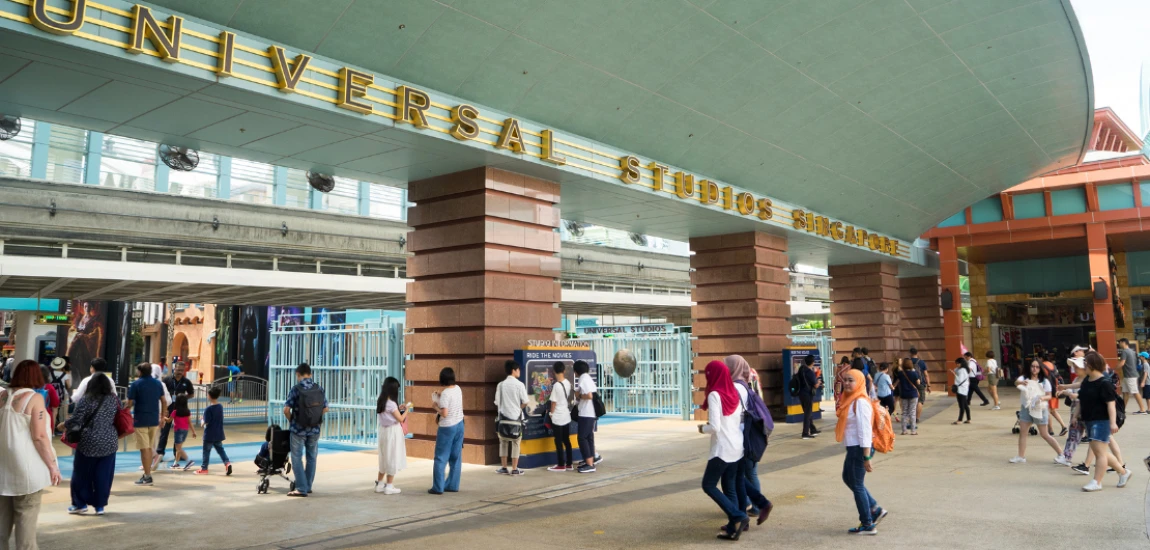
Explore how intelligent travel systems can make journeys easier, safer, and more accessible for travelers with different needs.

Learn how destinations can keep more tourism money within local communities and create stronger, more inclusive economies.
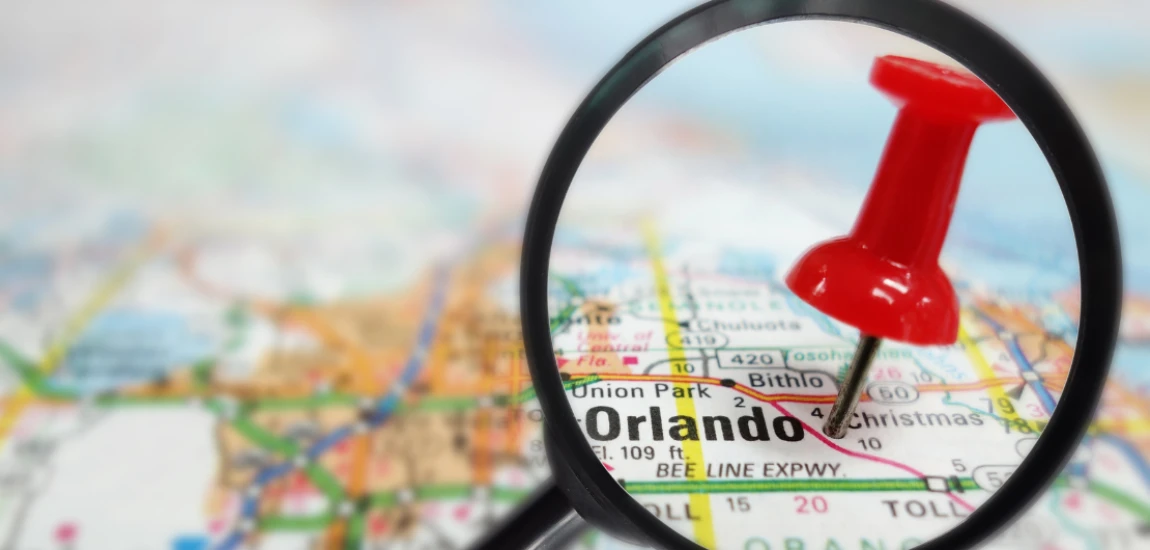
Discover how heat mapping can help travelers find cooler, more comfortable, and enjoyable areas within a destination.

Learn how smart infrastructure maintenance keeps tourism facilities safe, reliable, and ready for future demand.

Learn how destinations can balance tourist needs with local quality of life through smarter tourism planning.

Discover how lesser-known places can attract visitors, support local businesses, and create more balanced tourism growth.
Discover how destinations can reduce dependence on tourism by developing diverse industries, local businesses, and stronger economies.

Learn how travel resilience engineering helps tourism prepare for disruptions and recover stronger.
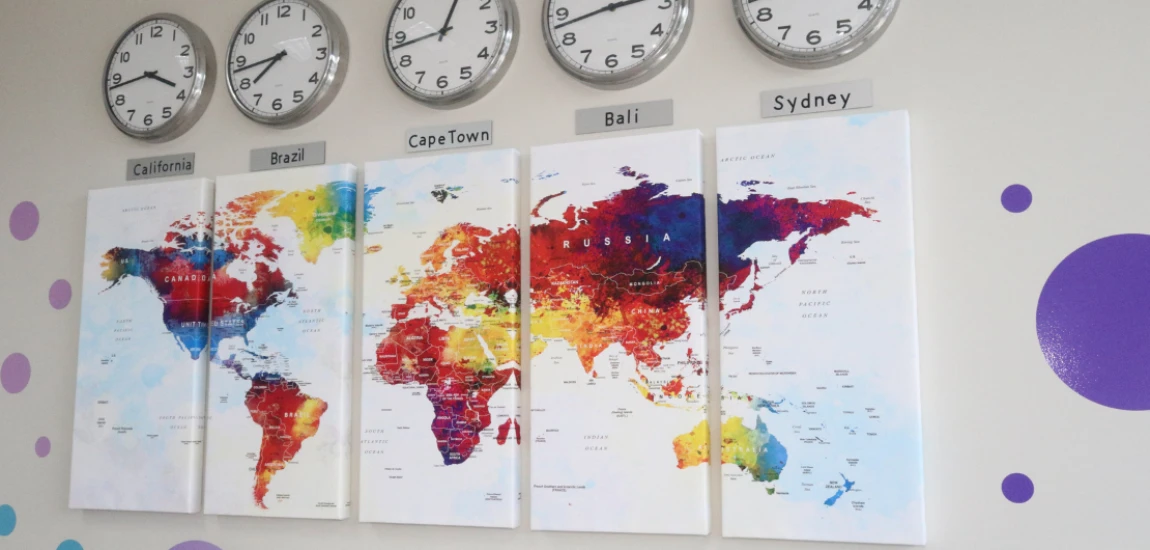
Learn how destination stress mapping helps identify tourism pressure zones and create better visitor management strategies.

Tourism demand forecasting helps destinations and travel businesses predict future visitor demand, understand changing traveler behavior, manage resources, and create smarter tourism strategies.