Dynamic Destination Scheduling – Managing Visitor Timing to Reduce Overcrowding
Learn how destinations can manage visitor timing, distribute tourist arrivals, reduce overcrowding, and create smoother, safer, and more enjoyable travel experiences.

Lorem ipsum dolor sit amet, consectetur adipiscing elit. Donec eu ex non mi lacinia suscipit a sit amet mi. Maecenas non lacinia mauris. Nullam maximus odio leo. Phasellus nec libero sit amet augue blandit accumsan at at lacus.
Travel isn’t just about visiting new places—it’s about collecting stories your friends will pretend to enjoy hearing… again. Our Travel page is your passport to adventure with destination guides, clever tips, and just enough humor to survive airport security with a smile.
From hidden gems to bucket-list wonders, we help you plan trips worth bragging about—without losing your luggage (hopefully). Want to dodge jet lag like a pro? Or snap that Instagram-perfect shot without wrestling a tour group for the view? We’ve got you.
Whether you’re booking a quick weekend escape or a grand “I’m definitely overpacking” journey, we make sure your trip is more than just a ticket—it’s a story worth retelling. Pack curiosity, leave the stress, and maybe triple-check your passport. Adventure awaits (and so does that overpriced airport coffee).
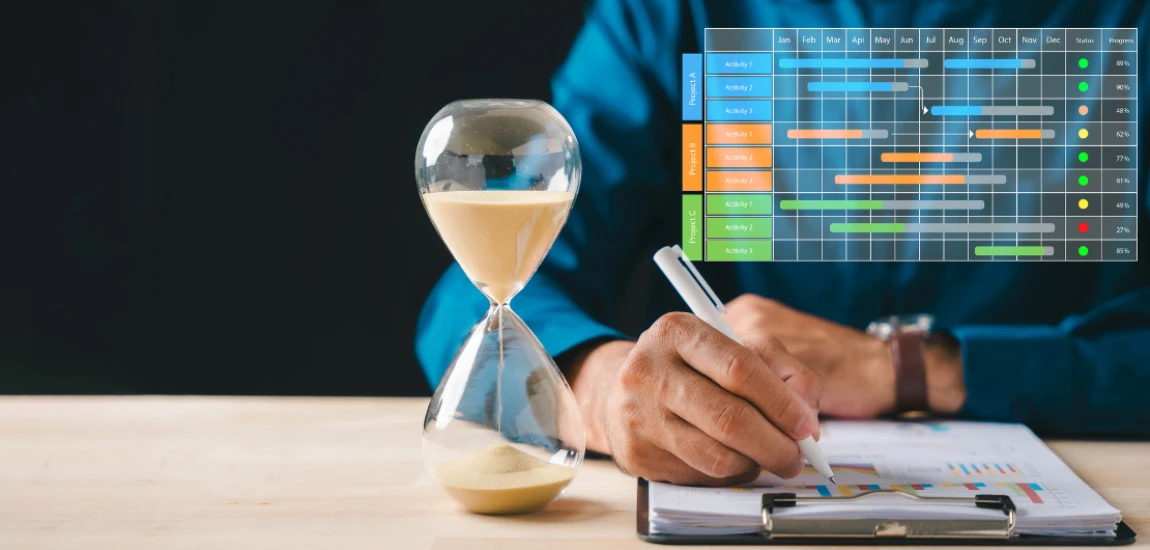
Learn how destinations can manage visitor timing, distribute tourist arrivals, reduce overcrowding, and create smoother, safer, and more enjoyable travel experiences.

Learn how tourism resource traceability can track where services come from, measure their impacts, support local businesses, and create more transparent and sustainable tourism.

Learn how destinations can protect local identity, culture, traditions, and community life while managing tourism growth responsibly and sustainably.

Learn how destinations can transform unused buildings, public spaces, industrial sites, and overlooked places into valuable tourism experiences and economic opportunities.

Learn how accessibility networks can connect travelers with inclusive tourism services, improve mobility, support businesses, and create better experiences for everyone.

Learn how destinations can reduce tourism leakage, strengthen local businesses, increase community income, and keep more visitor spending circulating within the local economy.

Learn how destinations can manage visitor pressure, protect cultural identity, support residents, and create more balanced and sustainable tourism experiences.
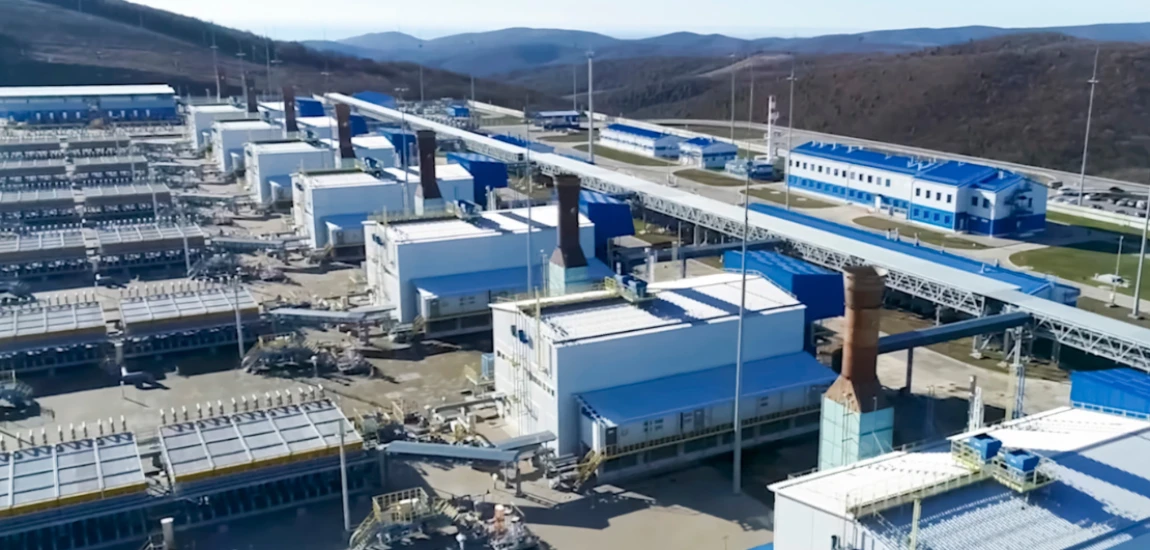
Explore how tourism destinations can adapt infrastructure, facilities, transportation, technology, and public spaces to provide safer, smarter, and more comfortable visitor experiences.
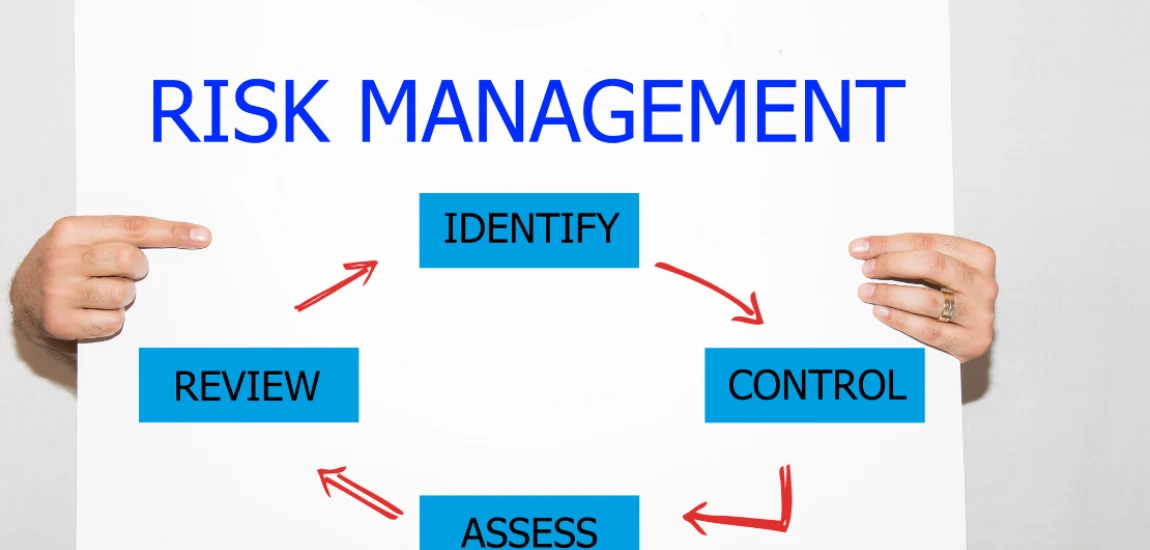
Learn how destinations can use risk intelligence, data, technology, and proactive planning to identify tourism risks early and protect travelers, communities, and tourism businesses.

Learn how stronger local tourism value chains can increase community income, support small businesses, create jobs, and make tourism more sustainable.