
Smart Infrastructure Maintenance – Preventing Tourism Infrastructure Failures
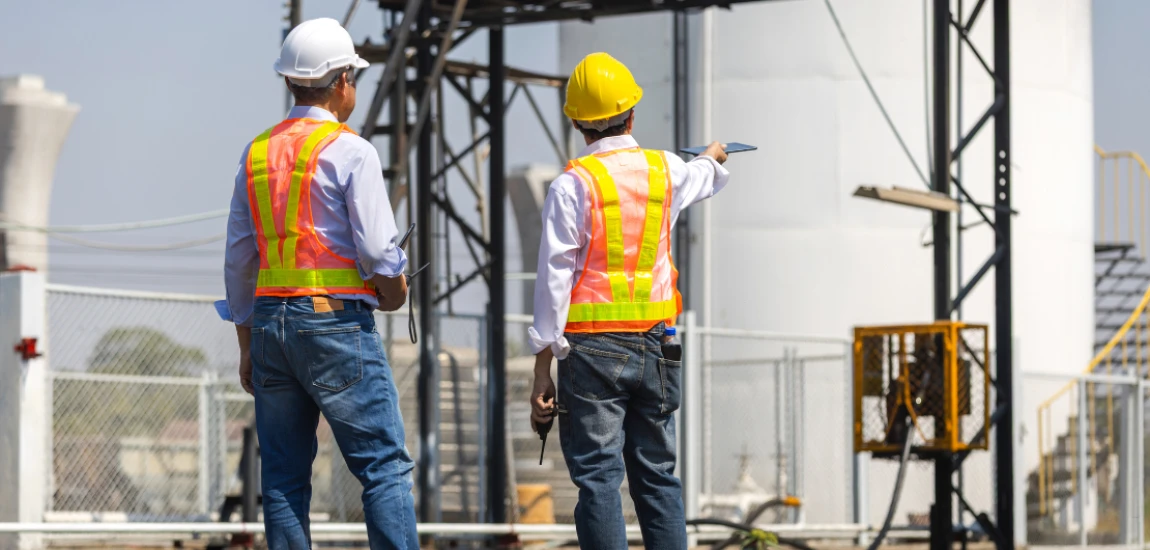
Tourism depends on reliable infrastructure. Roads connect travelers to attractions, airports and railway stations move visitors between destinations, hotels provide accommodation, and public facilities make tourism experiences comfortable and safe. Water systems, electricity networks, bridges, pedestrian paths, communication systems, sanitation facilities, parks, and cultural sites also play important roles in supporting tourism.
When tourism infrastructure fails, the effects can spread quickly. A damaged road can delay visitors, a power outage can disrupt hotels, a water system failure can affect restaurants and attractions, and poorly maintained public facilities can reduce visitor satisfaction. In serious situations, infrastructure failures can create safety risks and cause significant economic losses for tourism businesses and local communities.
This is why smart infrastructure maintenance is becoming an important part of modern destination management. Instead of waiting for infrastructure to break down before repairing it, smart maintenance uses technology, data, sensors, predictive analytics, inspections, and proactive planning to identify potential problems before they become major failures.
Tourism infrastructure faces continuous pressure because of visitor activity, weather, aging facilities, seasonal demand, and environmental conditions. Popular destinations may experience much higher infrastructure usage during peak travel periods. Without appropriate maintenance, this increased pressure can accelerate deterioration.
Smart infrastructure maintenance allows destinations to monitor infrastructure conditions continuously, prioritize repairs, predict maintenance requirements, and use resources more efficiently. It can also improve sustainability by extending the life of infrastructure and reducing unnecessary replacement.
As tourism becomes increasingly connected and technology-driven, infrastructure maintenance must evolve as well. Destinations that invest in intelligent monitoring and preventive maintenance can create safer, more reliable, and more resilient tourism environments.
Why Infrastructure Maintenance Matters for Tourism

Infrastructure is the foundation on which tourism operates. Visitors may focus on attractions and experiences, but their overall journey depends heavily on the quality and reliability of infrastructure.
The Importance of Reliable Tourism Infrastructure
Tourists interact with infrastructure throughout their entire journey. They use airports, roads, trains, public transportation, sidewalks, bridges, hotels, public toilets, water systems, electricity networks, and communication services.
A failure in any of these systems can affect the visitor experience. A broken elevator in a hotel, damaged pedestrian path near an attraction, unreliable public transportation service, or inadequate sanitation facility can create inconvenience and frustration.
Infrastructure reliability also influences destination reputation. Travelers frequently share their experiences through online reviews and social media. Repeated complaints about poor roads, unreliable transportation, broken facilities, or maintenance problems can discourage future visitors.
Economic Consequences of Infrastructure Failures
Infrastructure failures can be expensive. Emergency repairs often cost more than planned maintenance because problems have already become severe.
A damaged bridge, for example, may require immediate closure and expensive reconstruction. A smaller structural problem identified earlier might have been repaired at a much lower cost.
Tourism businesses can also lose revenue when infrastructure failures reduce visitor access. Hotels may receive cancellations, restaurants may lose customers, and attractions may have to close temporarily.
For destinations that depend heavily on tourism income, these losses can affect the wider local economy.
Safety and Visitor Confidence
Infrastructure maintenance is also directly connected to visitor safety. Damaged roads, unstable structures, electrical problems, poor lighting, and inadequate emergency systems can create hazards.
Regular inspections and smart monitoring can help identify safety concerns earlier.
When visitors see that a destination is clean, well-maintained, accessible, and reliable, they are more likely to feel confident about their travel experience. Infrastructure quality therefore contributes not only to operational efficiency but also to destination trust.
Understanding Smart Infrastructure Maintenance

Smart infrastructure maintenance combines traditional maintenance practices with modern technology and data-driven decision-making. Its purpose is to identify problems early, predict future maintenance requirements, and improve infrastructure performance.
From Reactive to Preventive Maintenance
Traditional maintenance often follows a reactive approach. Something breaks, and then a repair team is called.
Although reactive repairs remain necessary, relying on this approach alone can create higher costs and longer disruptions.
Preventive maintenance takes a different approach. Infrastructure is inspected and serviced before failure occurs.
Smart maintenance goes further by using data to determine when maintenance is most likely to be needed. This can make maintenance schedules more efficient and reduce unnecessary inspections or repairs.
Predictive Maintenance for Tourism Facilities
Predictive maintenance uses information about infrastructure conditions to estimate when a component may fail.
For example, sensors could monitor temperature, vibration, pressure, moisture, energy use, or structural movement. If readings begin to change in an unusual way, maintenance teams can investigate before a major failure occurs.
This approach can be used in hotels, airports, elevators, bridges, transportation systems, water networks, and other tourism-related infrastructure.
Prioritizing Maintenance Resources
Not every infrastructure problem has the same level of urgency. Smart maintenance systems can help managers prioritize repairs based on safety, visitor impact, infrastructure condition, and potential economic consequences.
A damaged pedestrian crossing near a major attraction may require immediate attention, while a minor cosmetic issue in a low-use facility may be scheduled later.
Data-driven prioritization helps destinations use limited maintenance budgets more effectively.
Technologies Supporting Smart Infrastructure Maintenance

Technology is at the center of modern infrastructure monitoring. A combination of connected devices, data platforms, artificial intelligence, and digital mapping can provide tourism managers with better information about infrastructure conditions.
Sensors and Internet of Things Systems
Internet of Things technology allows physical infrastructure to collect and transmit information.
Sensors can monitor bridges, buildings, water systems, energy equipment, roads, elevators, and other assets.
For example, a smart water system can monitor pressure and flow to identify unusual changes that may indicate leaks. Sensors in buildings can monitor temperature and equipment performance.
Continuous monitoring provides maintenance teams with information that traditional periodic inspections may miss.
Artificial Intelligence and Predictive Analytics
Artificial intelligence can analyze large amounts of infrastructure data and identify patterns that may indicate potential failures.
A predictive system could compare current equipment performance with historical patterns and identify unusual behavior.
AI can also help estimate maintenance requirements across large infrastructure networks. Instead of manually reviewing thousands of assets, maintenance teams can receive alerts about the facilities that require the most attention.
However, AI should support professional inspection and engineering judgment rather than replace them. Physical inspections remain important for verifying problems and making final maintenance decisions.
Digital Twins and Infrastructure Mapping
Digital twins are digital representations of physical infrastructure. They can contain information about an asset's location, condition, age, maintenance history, and performance.
A tourism authority could use a digital map to visualize roads, bridges, attractions, public facilities, transportation systems, and utilities.
When combined with real-time information, these systems can provide a detailed overview of destination infrastructure and help managers understand where maintenance problems are developing.
Maintaining Roads, Transportation, and Public Facilities

Transportation infrastructure is especially important for tourism because visitors need reliable ways to move around destinations.
Smart Road and Bridge Maintenance
Roads and bridges experience wear from traffic, weather, heavy vehicles, and seasonal tourism demand.
Regular inspections can identify cracks, surface damage, drainage problems, and structural weaknesses.
Smart monitoring systems can supplement these inspections by collecting information about traffic loads, vibration, structural movement, and environmental conditions.
Early identification allows repairs to be planned before damage becomes severe.
Public Transportation Systems
Buses, trains, trams, stations, airports, and other transportation facilities require continuous maintenance.
Failures can create delays that affect thousands of travelers.
Smart maintenance can monitor vehicles, electrical systems, tracks, escalators, elevators, lighting, and other components.
Predictive maintenance can help transportation operators schedule repairs during lower-demand periods, reducing disruption for travelers.
Public Facilities and Visitor Amenities
Tourism destinations also need to maintain public toilets, information centers, parks, sidewalks, lighting, benches, signage, waste facilities, and recreational spaces.
These facilities may appear small compared with airports or bridges, but they have a major influence on visitor comfort.
Smart maintenance systems can track inspection schedules, usage levels, repair requests, and equipment conditions.
High-use facilities can receive more frequent maintenance based on actual demand rather than a fixed schedule.


Kate McCulley, the voice behind "Adventurous Kate," provides travel advice tailored for women. Her blog encourages safe and adventurous travel for female readers.
Kate McCulley

Prev Post

Next Post