
Destination Risk Intelligence – Identifying Tourism Risks Before They Escalate
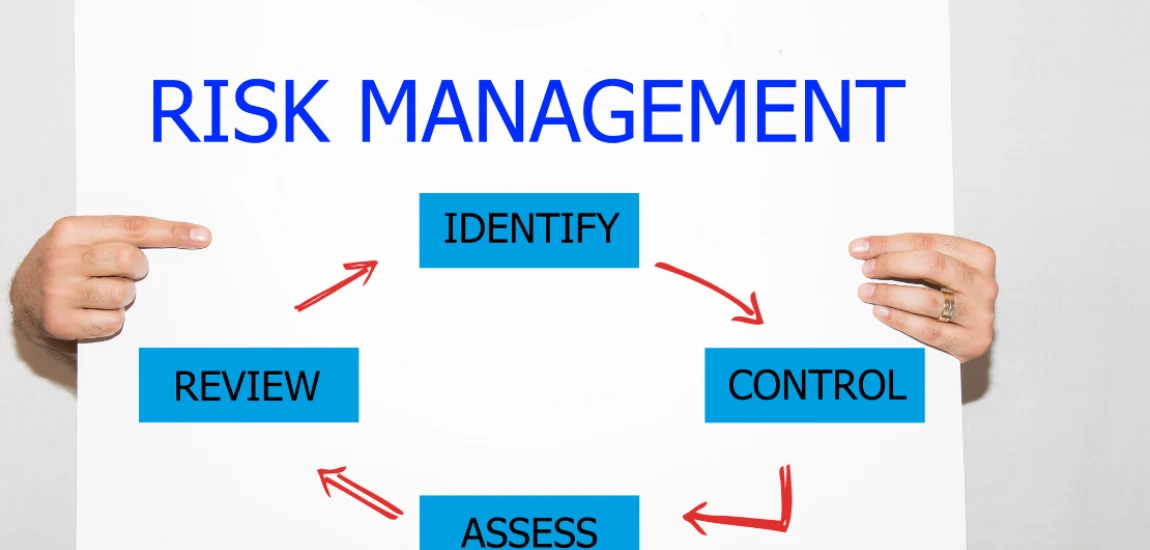
Tourism destinations operate in an increasingly complex environment. Travelers may face risks related to extreme weather, natural disasters, public health emergencies, cybersecurity threats, overcrowding, transportation disruptions, political instability, infrastructure failures, environmental damage, and sudden changes in visitor behavior. While many tourism risks cannot be completely eliminated, destinations can become much better at identifying and managing them before they develop into serious crises.
This is where Destination Risk Intelligence becomes important. Destination risk intelligence refers to the systematic collection, analysis, and interpretation of information to identify potential threats to tourism before they escalate. Instead of waiting for an emergency to happen, tourism organizations can monitor warning signals, evaluate vulnerabilities, and take preventive action.
Traditional tourism management often focuses on visitor numbers, hotel occupancy, spending, and satisfaction. These measurements are valuable, but they do not always reveal emerging threats. Risk intelligence adds another layer by asking important questions: What could disrupt tourism? Where is the destination most vulnerable? Which warning signs are appearing? How quickly could a problem affect visitors and businesses?
Modern technology makes this process increasingly powerful. Tourism organizations can combine weather information, transportation data, visitor movement patterns, social media signals, emergency reports, infrastructure information, environmental indicators, and business intelligence. Artificial intelligence and predictive analytics can then help identify patterns that may require attention.
Effective tourism risk management is not simply about reacting to disasters. It is about creating a proactive system that helps destinations prepare, adapt, communicate, and recover.
Understanding Destination Risk Intelligence

What Destination Risk Intelligence Means
Destination Risk Intelligence is the process of identifying, monitoring, assessing, and responding to risks that could affect tourism destinations. These risks can be environmental, economic, technological, social, political, operational, or health-related.
For example, a destination vulnerable to flooding can monitor rainfall forecasts, river levels, drainage capacity, road conditions, and weather alerts. If several indicators suggest increasing flood risk, authorities can prepare evacuation routes, inform hotels, adjust transportation, and communicate with travelers before conditions become dangerous.
This proactive approach is different from traditional crisis management. Crisis management generally focuses on what happens after an incident occurs, while risk intelligence focuses heavily on early identification and prevention.
Why Early Risk Identification Matters
Small problems can become major tourism disruptions when they are not identified quickly. A damaged road may initially affect only a few visitors, but if repairs are delayed, transportation disruptions can spread across hotels, attractions, restaurants, and airports.
Similarly, an increase in extreme temperatures may initially appear to be a weather issue. However, prolonged heat can affect outdoor attractions, worker safety, water availability, visitor health, and destination reputation.
Early identification gives tourism organizations more time to respond.
Moving From Reactive to Proactive Tourism Management
A proactive tourism destination continuously asks what could happen next. This encourages tourism managers to develop early-warning systems, risk registers, emergency plans, communication procedures, and resilience strategies.
The objective is not to predict every event perfectly. Instead, it is to recognize warning signals early enough to reduce potential damage.
Identifying the Major Risks Facing Tourism Destinations

Environmental and Climate Risks
Climate-related risks are becoming increasingly important for tourism. Flooding, heatwaves, storms, droughts, wildfires, coastal erosion, and other environmental changes can disrupt tourism operations.
Destinations should monitor environmental indicators and understand which tourism assets are most exposed. Beaches, mountain attractions, hiking trails, heritage buildings, roads, airports, and accommodation facilities may all have different vulnerabilities.
Climate risk intelligence allows destinations to prepare infrastructure, adjust visitor information, develop alternative attractions, and improve emergency procedures.
Health and Public Safety Risks
Health emergencies can have a major impact on travel demand. Disease outbreaks, food safety incidents, poor sanitation, and inadequate emergency healthcare can affect visitor confidence.
Destination risk intelligence can combine public health information, hospital capacity, visitor numbers, and local alerts to identify potential problems.
Tourism businesses can also use this information to improve hygiene standards, emergency procedures, staff training, and traveler communication.
Economic and Operational Risks
Tourism is sensitive to economic conditions. Currency fluctuations, inflation, fuel prices, labor shortages, supply chain disruptions, and declining consumer confidence can affect visitor demand and business performance.
Operational risks are also important. Airport closures, transportation breakdowns, power outages, water shortages, communication failures, and infrastructure problems can quickly disrupt tourism.
Monitoring these risks helps destinations develop contingency plans before disruptions become severe.
Using Data to Detect Tourism Risks Early

Combining Multiple Sources of Information
Effective tourism risk intelligence depends on multiple data sources. No single dataset can provide a complete picture of destination risk.
Useful information may come from weather services, transportation systems, emergency agencies, tourism businesses, hospitals, environmental monitoring networks, visitor surveys, news reports, and digital platforms.
Combining these sources can reveal relationships that might otherwise be missed.
For example, rising temperatures, increasing water consumption, and higher hotel occupancy may together indicate potential pressure on local water resources.
Using Real-Time Tourism Data
Real-time information can help tourism organizations understand what is happening as conditions change.
Transportation data can show delays and congestion. Visitor movement data can reveal overcrowding. Environmental sensors can identify changes in air quality or water conditions. Online feedback can reveal emerging visitor concerns.
Real-time tourism intelligence allows destination managers to respond faster.
Applying Predictive Analytics
Predictive analytics can help identify patterns associated with future risks. Historical information can be compared with current conditions to estimate what might happen next.
For example, if previous extreme-weather events caused major transportation problems under similar conditions, tourism managers can prepare earlier when those conditions begin appearing again.
Predictive analytics should support human decision-making rather than replace it. Local knowledge and professional judgment remain essential.
Building Early-Warning Systems for Tourism

Creating Tourism Risk Indicators
Destinations can establish specific indicators that signal increasing risk.
These could include rainfall levels, temperature thresholds, visitor density, traffic congestion, emergency room demand, water consumption, flight cancellations, cybersecurity alerts, or negative visitor sentiment.
When an indicator crosses a predefined threshold, the appropriate organization can investigate and activate a response.
This makes risk management more systematic and reduces dependence on delayed reactions.
Developing Risk Dashboards
A tourism risk dashboard can bring important information together in one place. Instead of managers checking dozens of separate systems, a dashboard can provide a simplified overview of current destination conditions.
A dashboard might display weather warnings, transportation conditions, visitor density, environmental indicators, infrastructure status, and emergency alerts.
Color-coded or priority-based systems can help managers quickly identify the most urgent issues.
Establishing Clear Response Procedures
Early-warning systems are only useful if organizations know what to do when a warning appears.
Destinations should create clear response procedures for different levels of risk. A low-level warning may require monitoring, while a high-level warning could trigger visitor alerts, transportation changes, attraction closures, or emergency coordination.
Clear responsibilities help avoid confusion during rapidly changing situations.


Known as "Nomadic Matt," Matthew Kepnes offers practical travel advice with a focus on budget backpacking. His blog aims to help people travel cheaper and longer.
Matthew Kepnes

Prev Post

Next Post