
Tourism Infrastructure Adaptation – Preparing Facilities for Changing Visitor Needs
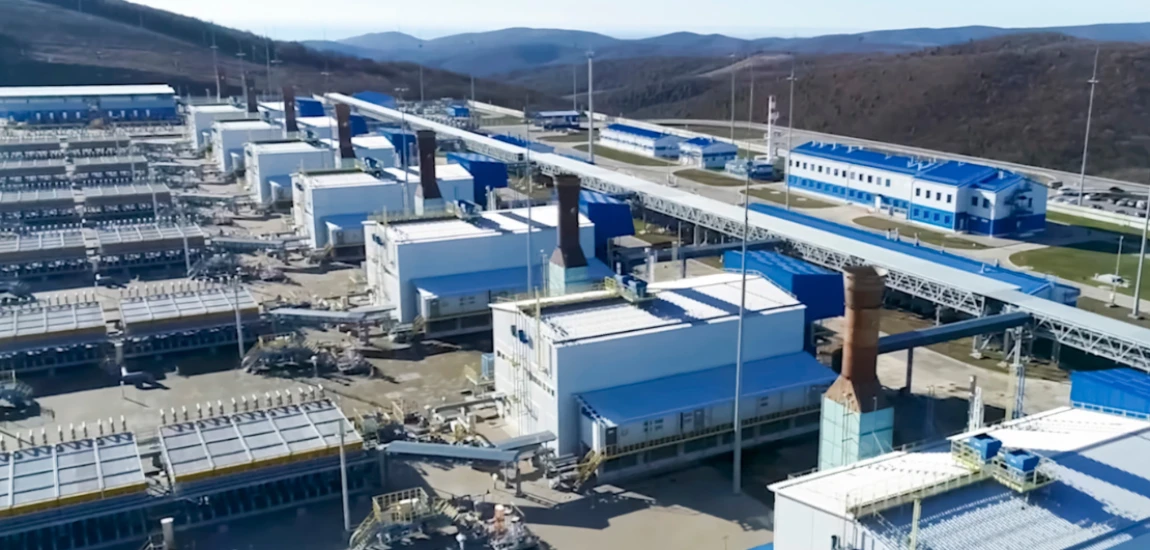
Tourism is constantly changing. Travelers today expect more than attractive destinations and comfortable accommodation. They increasingly look for accessible facilities, digital services, sustainable transportation, reliable connectivity, climate-resilient infrastructure, convenient public spaces, and personalized experiences. At the same time, destinations are dealing with growing visitor numbers, changing demographics, environmental pressures, extreme weather, technological development, and evolving travel behavior.
These changes make Tourism Infrastructure Adaptation an important part of modern destination management. Tourism infrastructure includes hotels, airports, roads, public transportation, visitor centers, attractions, public spaces, sanitation systems, digital networks, pedestrian areas, and other facilities that support tourism.
Infrastructure designed for yesterday's travelers may not meet tomorrow's expectations. A destination with limited accessibility may struggle to serve older travelers or visitors with disabilities. A city without sufficient public transportation may experience congestion as tourism grows. A destination dependent on outdated digital systems may fail to provide the convenient services modern travelers expect.
Adaptation does not necessarily mean completely rebuilding infrastructure. In many cases, destinations can improve existing facilities through upgrades, flexible design, better technology, improved maintenance, energy efficiency, accessibility improvements, and smarter visitor management.
The goal is to create infrastructure that can respond to changing visitor needs while protecting local communities and natural resources. Effective tourism infrastructure adaptation can improve visitor satisfaction, strengthen destination competitiveness, increase resilience, and support long-term sustainable tourism development.
Understanding Tourism Infrastructure Adaptation

What Tourism Infrastructure Adaptation Means
Tourism Infrastructure Adaptation is the process of modifying, upgrading, or redesigning tourism-related facilities so they can respond to changing visitor expectations, environmental conditions, technologies, and travel patterns.
This can involve relatively simple improvements, such as better signage and accessible entrances, as well as larger projects involving airports, transportation networks, hotels, public spaces, water systems, and energy infrastructure.
Adaptation should focus on both present and future requirements. A facility that works efficiently today may become inadequate as visitor numbers increase or traveler expectations change.
Why Tourism Infrastructure Needs to Evolve
Visitor behavior is not static. Travelers increasingly use smartphones to navigate destinations, make reservations, access tickets, communicate with businesses, and receive real-time information.
At the same time, travelers may have different mobility requirements, dietary preferences, cultural expectations, and environmental concerns.
Infrastructure must therefore become more flexible and inclusive.
Destinations that continuously improve their facilities can offer better visitor experiences while reducing pressure on existing systems.
From Traditional Facilities to Flexible Infrastructure
Traditional tourism infrastructure was often designed around fixed assumptions about how travelers would arrive, move, stay, and consume services.
Modern infrastructure needs greater flexibility.
Multipurpose spaces, modular facilities, digital services, flexible transportation systems, and adaptable accommodation can help destinations respond to changing demand.
Flexibility also reduces the risk that expensive infrastructure becomes outdated quickly.
Designing Facilities Around Changing Visitor Needs

Improving Accessibility and Inclusion
Accessibility should be a central part of tourism infrastructure planning. Visitors may have mobility, hearing, visual, cognitive, or other accessibility requirements.
Destinations can improve accessibility through ramps, elevators, accessible restrooms, tactile pathways, clear signs, suitable seating, accessible transportation, and barrier-free entrances.
Accessibility benefits more than visitors with disabilities. Families with children, older travelers, and people carrying luggage can also benefit from easier movement.
Inclusive infrastructure allows more people to enjoy tourism comfortably and independently.
Creating Comfortable Public Spaces
Public spaces strongly influence visitor experiences. Parks, plazas, waterfronts, pedestrian streets, markets, and rest areas can provide opportunities for visitors to relax and explore.
Modern public spaces should provide seating, shade, lighting, clean facilities, drinking water, waste management, and clear wayfinding.
Climate-responsive design is also becoming increasingly important. Shade structures, greenery, ventilation, and heat-resistant materials can make outdoor spaces more comfortable.
Supporting Different Traveler Preferences
Travelers have different expectations. Some want fast-paced sightseeing, while others prefer slow travel and relaxation.
Infrastructure can accommodate different preferences through a variety of spaces and facilities.
Quiet areas, family-friendly facilities, cultural spaces, recreational areas, walking routes, cycling infrastructure, and digital information points can create a more diverse visitor experience.
The more flexible a destination's infrastructure becomes, the better it can serve different traveler segments.
Adapting Transportation Infrastructure for Modern Tourism

Expanding Sustainable Mobility
Transportation is one of the most important parts of the tourism experience. Visitors need convenient ways to travel between airports, hotels, attractions, restaurants, shopping areas, and cultural sites.
Destinations can adapt transportation infrastructure by improving public transit, pedestrian networks, cycling routes, electric mobility, shuttle systems, and shared transportation.
Sustainable mobility can reduce traffic congestion, emissions, and pressure on urban infrastructure.
It can also make destinations easier to explore without requiring visitors to depend entirely on private vehicles.
Developing Smart Transportation Systems
Technology can make transportation more responsive to visitor demand.
Real-time transit information, mobile ticketing, digital route planning, smart parking systems, traffic monitoring, and integrated transportation apps can improve convenience.
Smart systems can also help tourism managers understand how visitors move around destinations.
This information can support better transportation planning and identify areas where infrastructure requires improvement.
Improving Connections Between Tourism Facilities
Transportation infrastructure should connect important tourism facilities efficiently.
Airports, railway stations, bus terminals, hotels, attractions, and city centers should ideally form an integrated network.
Poor connections can create unnecessary travel times and frustration.
Destinations can improve visitor mobility by coordinating transportation schedules, developing clear wayfinding, providing transfer services, and ensuring accessible routes between major tourism locations.
Using Technology to Upgrade Tourism Infrastructure

Creating Smart Tourism Facilities
Smart technology can transform tourism facilities into more responsive environments.
Hotels can use digital check-in systems, smart room controls, mobile access, and automated information services. Attractions can use digital tickets, interactive displays, virtual guides, and real-time visitor information.
These technologies can reduce waiting times and make services more convenient.
However, technology should improve the visitor experience rather than simply be added for its own sake.
Expanding Digital Connectivity
Reliable internet connectivity has become an important part of tourism infrastructure.
Visitors often depend on mobile connectivity for maps, bookings, translation, communication, payments, and travel information.
Destinations can improve visitor experiences by providing reliable Wi-Fi in major public areas and ensuring strong mobile network coverage.
Digital connectivity is particularly important for destinations that want to support smart tourism services.
Using Data for Infrastructure Planning
Tourism data can help destinations understand how facilities are being used.
Visitor movement patterns, transportation demand, attraction attendance, hotel occupancy, public-space usage, and digital engagement can reveal where infrastructure needs improvement.
For example, if data shows that one attraction experiences severe congestion during specific hours, managers could introduce timed entry, improve surrounding walkways, or develop alternative visitor routes.
Data-driven planning can make infrastructure investments more targeted and efficient.


Gary Arndt operates "Everything Everywhere," a blog focusing on worldwide travel. An award-winning photographer, Gary shares stunning visuals alongside his travel tales.
Gary Arndt
Prev Post

Next Post