
Digital Cultural Heritage Transmission and Innovation Networks: Preserving Traditions for Future Generations
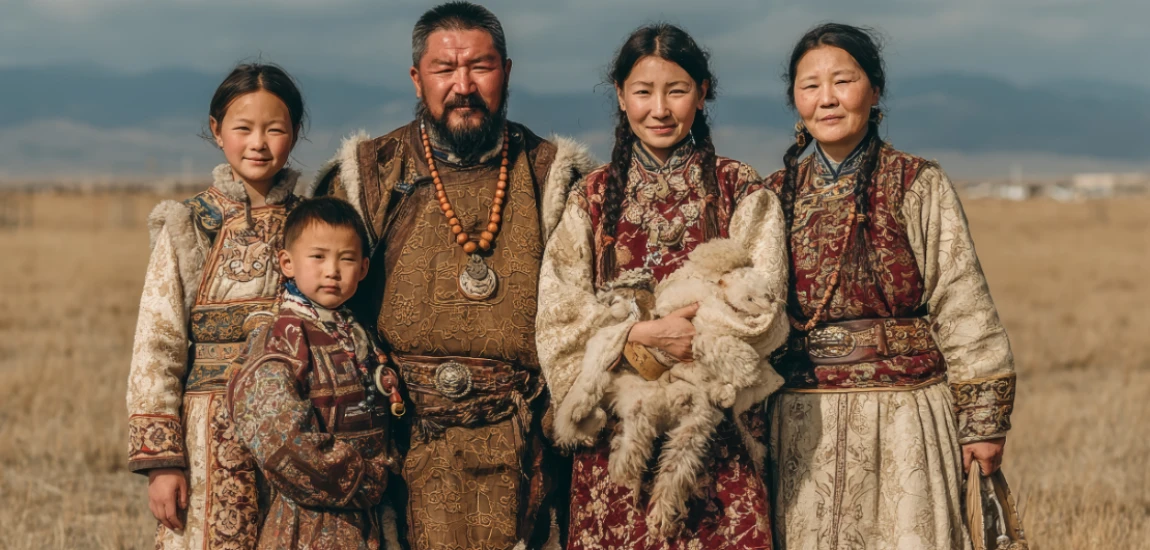
Cultural heritage gives communities their identity, history, and sense of belonging. Traditional crafts, music, dance, oral histories, local languages, architecture, festivals, and food practices carry knowledge that has developed across generations. Yet many cultural traditions face challenges, including declining participation among younger people, limited funding, changing lifestyles, environmental pressures, and the loss of experienced knowledge holders.
Digital technology offers new opportunities to preserve and share this knowledge, but successful cultural preservation requires more than scanning old photographs or publishing videos online. It depends on meaningful community participation, responsible documentation, practical training, and systems that allow traditions to continue evolving.
**Digital Cultural Heritage Transmission and Innovation Networks** bring together digital archives, interactive storytelling, artisans, cultural institutions, local communities, educators, and tourism organizations. These networks can make heritage more accessible while supporting the people who maintain living traditions.
For example, a community could document traditional weaving techniques, create a digital archive of patterns, organize workshops for young artisans, and develop respectful visitor experiences led by local craftspeople. Digital tools would preserve valuable records, while direct participation would help keep the craft alive.
By combining technology with community knowledge and responsible tourism, destinations can protect cultural heritage while creating opportunities for education, creativity, and sustainable local development.
Understanding Digital Cultural Heritage Transmission and Innovation Networks

What Is Digital Cultural Heritage Transmission?
Digital cultural heritage transmission is the process of recording, preserving, sharing, and teaching cultural knowledge through digital technologies and related educational activities.
It can include digitized manuscripts, photographs, traditional music recordings, oral histories, architectural documentation, craft demonstrations, and interactive learning resources.
These materials help preserve information that might otherwise become difficult to access as physical objects deteriorate or experienced practitioners become fewer.
However, documentation alone does not guarantee that a tradition will survive. A recorded weaving demonstration can preserve important details, but learners may still need hands-on instruction to understand the materials, techniques, and cultural meanings involved.
Effective heritage transmission therefore combines digital preservation with practical learning, community participation, and opportunities for cultural practices to continue in everyday life.
How Innovation Networks Connect People and Knowledge
Cultural heritage innovation networks connect people and organizations that contribute different forms of expertise. These participants may include elders, artisans, historians, museums, libraries, schools, universities, technology developers, tourism operators, and community associations.
Each participant can contribute to preservation and transmission. Elders may share oral histories, artisans may demonstrate traditional techniques, researchers may help document historical context, and technology specialists may develop accessible digital platforms.
For example, a regional heritage network could connect several craft communities through a shared archive while allowing each community to manage its own cultural content and determine what can be publicly displayed.
Collaboration becomes more effective when responsibilities, decision-making rights, and expected benefits are clearly defined.
Why Cultural Heritage Networks Matter Today
Cultural traditions can become vulnerable when younger generations have fewer opportunities to learn from experienced practitioners or when traditional skills offer limited economic security.
Innovation networks can respond by creating educational resources, supporting apprenticeships, improving access to cultural collections, and connecting heritage practitioners with appropriate audiences.
They can also help communities document traditions before important knowledge disappears.
The purpose is not to freeze culture in the past. Living heritage naturally changes as communities respond to new circumstances. Digital heritage networks should help preserve knowledge and support cultural continuity while respecting communities' rights to adapt their own traditions.
Building Digital Archives for Long-Term Cultural Preservation

Documenting Traditional Knowledge and Cultural Materials
Digital archives provide organized collections of cultural resources that can be searched, studied, and shared according to community permissions.
A heritage archive may include photographs of historic buildings, recordings of traditional songs, interviews with craftspeople, recipes, family histories, festival documentation, and records of traditional ecological knowledge.
Good documentation requires context. Each item should include useful information such as its origin, date, creator, language, cultural significance, and permitted uses.
For example, recording a traditional musical performance is more valuable when the archive also explains the occasion, instruments, regional variations, and role of the music within the community.
Documentation teams should work with knowledge holders to ensure that materials are represented accurately and that sensitive information is not published without authorization.
Using Technology to Improve Access
Digital archives can use searchable catalogues, high-quality images, audio recordings, subtitles, transcripts, and accessible interfaces to help different audiences explore cultural collections.
Students may use online archives for research, while artisans can study historical designs and tourism educators can prepare accurate cultural interpretation materials.
Multilingual descriptions can make resources accessible to wider audiences, especially when cultural knowledge is traditionally transmitted in languages with limited online representation.
Three-dimensional scanning and digital mapping may also help document historic buildings, artifacts, and heritage landscapes where appropriate.
However, access should not mean unrestricted publication. Some cultural materials may be sacred, family-specific, commercially sensitive, or unsuitable for public distribution. Community rules should determine which resources are public, restricted, or preserved for future generations under controlled access.
Ensuring Digital Preservation Over Time
Digital files can become inaccessible because of outdated formats, damaged storage devices, lost passwords, platform closures, or insufficient funding.
Long-term preservation requires regular backups, secure storage, documented file formats, access controls, and periodic checks that files remain readable.
Organizations should also establish clear ownership and maintenance responsibilities rather than relying entirely on a temporary website or social media account.
Where possible, cultural institutions and community organizations can collaborate on preservation standards and sustainable funding.
A well-managed digital archive should remain useful beyond the lifespan of the technology originally used to create it.
Using Interactive Storytelling to Bring Heritage to Life

Combining Oral Histories With Digital Media
Interactive storytelling can present cultural knowledge through recorded interviews, photographs, maps, sound, animation, and short documentary films.
Oral histories are especially valuable because they capture personal experiences, community memories, and knowledge that may not appear in written historical records.
For example, an interactive digital map might connect historic locations with recordings of residents explaining local festivals, traditional occupations, or changes in neighborhood life.
These stories can help younger generations understand the people behind cultural landmarks rather than viewing heritage as a collection of objects alone.
Storytelling projects should involve participants in decisions about editing, translation, attribution, and publication. Narratives should not be altered simply to make them more dramatic or commercially attractive.
Creating Immersive and Educational Experiences
Interactive websites, digital exhibitions, augmented reality, and virtual reality can help people explore heritage in new ways.
A visitor at a historic building might use a digital guide to view historical photographs, hear local stories, or understand how a space was used in the past. A student might explore a virtual reconstruction of a heritage site that is difficult to access physically.
These experiences can support education and help audiences understand cultural context before visiting a destination.
However, immersive technology should complement real cultural engagement rather than replace community participation. Not every tradition needs an expensive virtual reconstruction; a well-produced audio story or accessible website may be more useful and affordable.
Making Cultural Stories Accessible and Accurate
Interactive storytelling should consider language, disability access, age, and different levels of digital literacy.
Captions, transcripts, audio descriptions, clear navigation, readable text, and translations can make heritage resources more inclusive.
Cultural stories should be checked with relevant knowledge holders to reduce errors, stereotypes, and misleading interpretations.
Where several perspectives exist, platforms can present different accounts instead of suggesting that one version represents an entire community.
Responsible storytelling helps audiences appreciate cultural complexity and builds trust between heritage organizations and the people whose knowledge they share.


Gary Arndt operates "Everything Everywhere," a blog focusing on worldwide travel. An award-winning photographer, Gary shares stunning visuals alongside his travel tales.
Gary Arndt
Prev Post
Next Post