
Predictive Tourism Infrastructure Demand Networks: Planning Sustainable Destinations for the Future
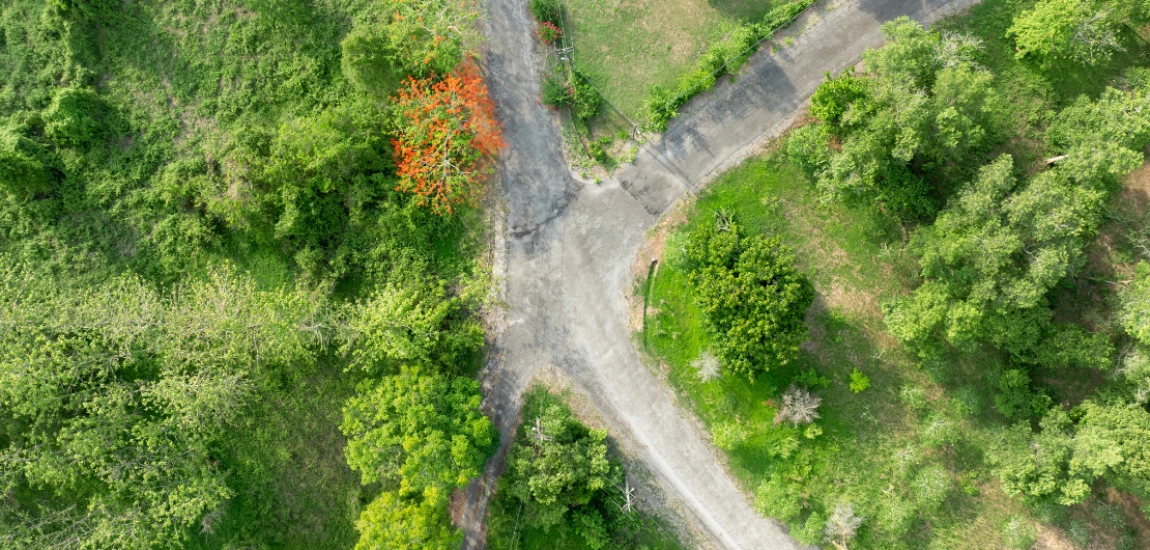
Tourism growth creates opportunities for employment, investment, cultural exchange, and regional development. However, increasing visitor numbers also place pressure on roads, accommodation, public facilities, water supplies, electricity networks, waste management, and essential visitor services. When infrastructure development fails to keep pace with tourism demand, destinations may experience congestion, overcrowded attractions, resource shortages, declining visitor satisfaction, and environmental damage.
**Predictive Tourism Infrastructure Demand Networks** offer a forward-looking approach to these challenges. By combining tourism forecasts, infrastructure data, visitor behavior, demographic trends, environmental information, and economic indicators, destinations can estimate what facilities and services they will need in the future. Instead of building infrastructure only after problems emerge, decision-makers can prepare for expected demand while considering financial limitations and environmental responsibilities.
These networks connect infrastructure planning across different sectors. For example, a forecast of rising visitor numbers can inform road improvements, accommodation development, public transport capacity, water management, and emergency service requirements at the same time. This coordinated approach helps destinations avoid isolated investments that solve one problem while creating another.
Understanding Predictive Tourism Infrastructure Demand Networks

Connecting Infrastructure Planning With Tourism Forecasting
Predictive tourism infrastructure demand networks integrate information about visitor growth with the capacity of essential destination infrastructure. They help planners understand how changes in tourism demand may affect roads, hotels, utilities, public spaces, sanitation systems, and visitor services.
Traditional infrastructure planning often relies on historical usage and current shortages. Predictive planning expands this approach by considering future tourism seasons, emerging markets, major events, changing travel preferences, and climate-related pressures. For instance, a coastal destination expecting increased international arrivals may need additional transport capacity, wastewater treatment, emergency facilities, and accommodation options.
By analyzing these requirements together, planners can establish realistic investment priorities and avoid costly infrastructure gaps.
Identifying Relationships Between Infrastructure Systems
Tourism infrastructure functions as an interconnected system. More accommodation increases demand for water, electricity, waste collection, roads, and emergency services. A new airport connection may increase arrivals, while improved public transportation may reduce pressure on parking and road networks.
Predictive demand networks reveal these relationships before major investments are approved. Scenario modeling can estimate how different development choices affect the wider destination.
This approach encourages cooperation between tourism authorities, urban planners, utility providers, transport agencies, and private investors. Shared planning improves coordination and helps infrastructure projects deliver greater long-term value.
Supporting Sustainable Destination Growth
The purpose of predictive infrastructure planning is not simply to build more facilities. It is to provide the right infrastructure, in the right places, at the right time, and at an appropriate scale.
Destinations should balance visitor demand with local residents' needs, environmental limits, financial capacity, and cultural preservation. Better forecasting can help authorities expand essential services without unnecessarily consuming land or resources.
Forecasting Future Transportation Infrastructure Requirements

Predicting Road and Traffic Demand
Road networks are frequently among the first infrastructure systems affected by tourism growth. Increasing visitor numbers can create congestion around airports, hotels, beaches, national parks, historic centers, and popular attractions.
Predictive tourism infrastructure demand networks can combine traffic counts, visitor arrival forecasts, seasonal patterns, event calendars, and transport surveys to estimate future road demand. These insights help planners identify locations where junction improvements, road maintenance, safer crossings, or alternative transport connections may be required.
Instead of expanding every road, authorities can target specific bottlenecks and consider whether public transportation or improved walking access would provide a more sustainable solution.
Expanding Public Transportation Capacity
Public transportation can move large numbers of visitors while reducing congestion, emissions, and parking pressure. Forecasting helps transport agencies estimate the demand for buses, trains, shuttles, ferries, and connections between transport hubs and attractions.
For example, a destination expecting higher weekend attendance may introduce seasonal shuttle services rather than build expensive permanent roads. Timetable coordination and real-time passenger information can further improve the visitor experience.
Transport planning should also consider affordability, accessibility, reliability, and service frequency. Infrastructure is only effective when visitors and residents can use it conveniently.
Preparing for Future Mobility Trends
Tourism mobility is changing through electric vehicles, cycling networks, pedestrian-friendly streets, shared transport, and digital route-planning tools. Infrastructure forecasts should account for these developments when evaluating future investment.
Destinations may need charging facilities, bicycle parking, accessible pathways, or safer connections between accommodation and attractions. Flexible transport planning helps communities respond to changing demand without committing prematurely to infrastructure that may become inefficient or outdated.
Predicting Accommodation and Hospitality Demand

Estimating Future Accommodation Capacity
Accommodation demand varies according to destination popularity, seasonal travel, business events, festivals, transport accessibility, and visitor spending patterns. Predictive models can estimate future requirements for hotels, guesthouses, serviced apartments, campsites, and other accommodation options.
These forecasts help investors and authorities determine whether existing capacity is sufficient or whether additional facilities are needed. They can also identify periods when accommodation shortages may cause excessive prices or force visitors to stay far from attractions.
However, construction decisions should consider long-term occupancy, operating costs, workforce availability, and environmental impacts rather than relying on optimistic visitor-growth projections alone.
Encouraging Diverse and Inclusive Accommodation
A sustainable destination should offer accommodation options for different budgets, travel purposes, and accessibility needs. Forecasting can help identify gaps in affordable lodging, family accommodation, accessible rooms, and community-based guesthouses.
Supporting a varied accommodation market can distribute tourism income across more businesses and communities. It may also reduce dependence on large developments that require extensive land, energy, and water.
Local planning regulations should consider housing affordability and community needs so tourism accommodation does not place excessive pressure on residential neighborhoods.
Integrating Hospitality With Essential Services
New hotels and tourism facilities increase demand for roads, water, electricity, sanitation, food supplies, and waste collection. Accommodation forecasts should therefore be connected to utility and public-service plans.
Developers and local authorities can coordinate infrastructure investments before construction begins. This reduces the risk of approving new accommodation in areas where essential services cannot support additional demand.


Shivya Nath authors "The Shooting Star," a blog that covers responsible and off-the-beaten-path travel. She writes about sustainable tourism and community-based experiences.
Shivya Nath
Prev Post