
Decentralized Renewable Energy Tourism Ecosystems: Building Energy-Independent and Sustainable Destinations
Tourism depends on reliable energy. Hotels require electricity for lighting, cooling, heating, kitchens, and laundry. Resorts, restaurants, attractions, transport services, and visitor centers also consume energy to deliver comfortable and dependable experiences. In many destinations, this demand relies heavily on fossil fuels or electricity supplied through centralized grids, creating exposure to energy price fluctuations, supply disruptions, and environmental impacts.
**Decentralized Renewable Energy Tourism Ecosystems** offer a more resilient approach by connecting locally generated renewable energy with battery storage, smart buildings, electric transport, and tourism facilities. Instead of treating every business as an isolated energy consumer, this model encourages destinations to coordinate energy production, storage, distribution, and consumption across a wider network.
For example, a coastal tourism destination could combine rooftop solar panels at hotels, battery systems at shared facilities, intelligent energy management in guest buildings, and renewable-powered electric vehicle charging. With suitable planning, these systems can reduce grid dependence, improve energy efficiency, and support more reliable tourism operations.
The objective is not simply to install solar panels. It is to create an integrated energy ecosystem that balances local generation with tourism demand, environmental protection, and long-term economic needs.
Understanding Decentralized Renewable Energy Tourism Ecosystems

What Is a Decentralized Energy Ecosystem?
A decentralized energy ecosystem generates or manages electricity closer to where it is consumed. Instead of depending entirely on large centralized power stations, individual buildings and local energy networks can use resources such as solar photovoltaic panels, wind turbines, and other suitable renewable technologies.
In tourism destinations, these systems can serve hotels, restaurants, cultural attractions, recreational facilities, visitor centers, and selected transport infrastructure.
A hotel might generate solar electricity during daylight hours, store some surplus energy in batteries, and use an energy management system to coordinate consumption. Nearby facilities could participate in a shared microgrid where regulations and infrastructure allow.
The design depends on local conditions, including renewable energy potential, electricity tariffs, grid reliability, building characteristics, and seasonal visitor demand.
Why Tourism Destinations Need Energy Independence
Energy independence does not necessarily mean disconnecting completely from the electricity grid. For most destinations, it means increasing the ability to meet local energy needs through reliable renewable generation, efficient consumption, and appropriate storage.
This can reduce exposure to fuel price changes and help tourism businesses manage operational expenses. It may also improve resilience during grid disruptions when systems are designed with suitable backup capabilities.
Remote islands, mountain destinations, rural lodges, and nature-based tourism facilities may particularly benefit from locally generated power where grid connections are expensive or unreliable.
However, energy independence requires realistic planning. Renewable generation varies with weather and time of day, while tourism demand can rise sharply during peak seasons. A balanced system combines generation, storage, efficiency, and reliable backup arrangements.
Connecting Energy With Sustainable Tourism Development
A decentralized energy ecosystem supports broader sustainable tourism goals by reducing reliance on fossil-fuel electricity and improving resource management.
It can also create local economic opportunities in installation, maintenance, engineering, energy services, and technical training.
Tourism operators can incorporate renewable energy into their sustainability strategies while protecting the destination's visual character and natural environment.
The most effective approach considers energy as part of the entire destination system. Buildings, transport, accommodation, visitor behavior, and local infrastructure should be planned together rather than through unrelated energy projects.
Integrating Local Renewable Energy Generation

Using Solar Power Across Tourism Facilities
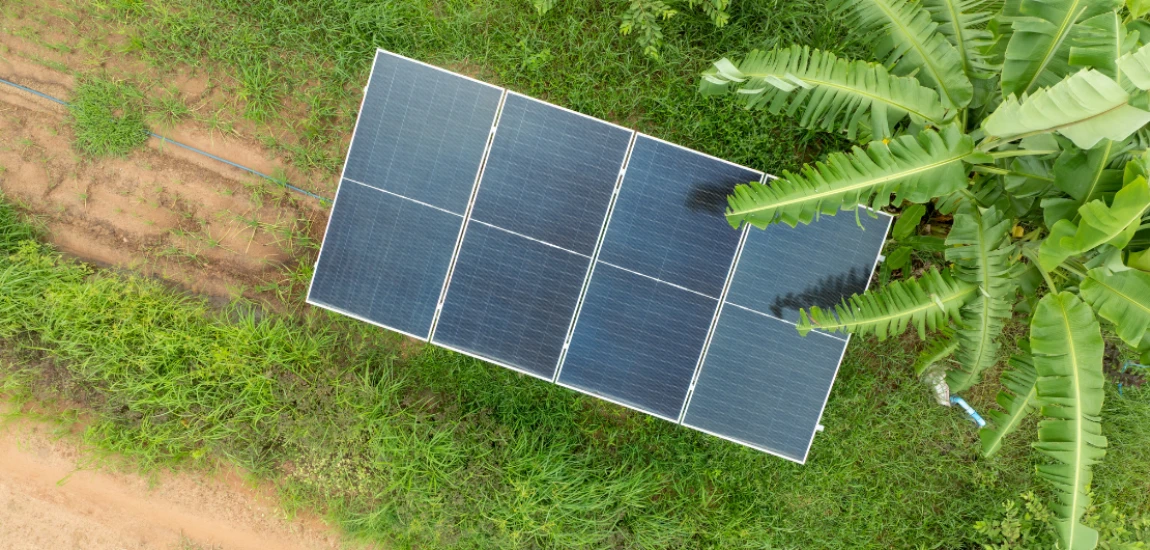
Solar photovoltaic systems are well suited to many tourism facilities because hotels, resorts, restaurants, and visitor centers often have substantial electricity needs during daylight hours.
Rooftop installations can generate power for lighting, refrigeration, office equipment, water pumps, and air conditioning. Solar carports can provide shade while generating electricity, and suitable ground-mounted systems may serve larger properties where land-use and environmental considerations permit.
For example, a resort could install rooftop solar panels to supply daytime operations while coordinating energy-intensive activities with periods of high generation.
Before installation, businesses should evaluate roof condition, shading, local solar resources, structural capacity, maintenance requirements, and expected electricity consumption.
Solar projects should avoid damaging sensitive landscapes or removing important habitats when alternative installation sites are available.
Exploring Wind and Other Renewable Resources
Some tourism destinations may have suitable wind resources, small-scale hydropower opportunities, geothermal energy, or sustainable sources of bioenergy.
Wind turbines may complement solar generation where local wind patterns provide useful output during different periods. Geothermal systems can support heating and cooling in suitable locations, while carefully managed bioenergy may provide energy from eligible organic materials.
Each technology requires site-specific assessment. Wind systems can affect landscapes and wildlife, hydropower may alter river ecosystems, and bioenergy can create air-quality or land-use concerns if poorly managed.
Destinations should assess environmental impacts, resource availability, operating costs, and community acceptance before selecting technologies.
A diversified renewable energy portfolio can improve reliability when different resources complement one another, but diversification should be based on evidence rather than assumptions.
Matching Energy Production With Tourism Demand
Tourism energy consumption often changes by season, occupancy, weather, and facility type. A ski resort may experience substantial winter heating demand, while a coastal hotel may require more cooling during summer.
Energy planning should compare these demand patterns with the expected output of local renewable resources.
Hotels can review electricity bills, occupancy records, cooling loads, laundry schedules, and kitchen operations to understand when energy is most needed.
Renewable systems should then be sized around realistic demand and practical storage capacity. Oversized installations may waste investment, while undersized systems may deliver limited benefits.
Combining energy audits with generation forecasts helps destinations select systems that meet operational needs and provide measurable long-term value.
Improving Energy Reliability Through Battery Storage and Microgrids

The Role of Battery Energy Storage
Renewable energy generation does not always match the time electricity is needed. Solar panels typically produce the most electricity during daylight, while hotels may experience substantial evening demand for lighting, cooking, entertainment, and air conditioning.
Battery energy storage systems can retain some surplus electricity and release it later when needed.
For example, a resort could store excess solar power during the afternoon and use it during evening operations. This may reduce grid purchases, depending on tariffs, battery efficiency, system capacity, and operating conditions.
Battery systems require careful consideration of installation costs, expected lifetime, temperature management, fire safety, maintenance, and eventual recycling.
Businesses should assess battery economics using realistic assumptions rather than expecting storage to eliminate all energy costs or guarantee uninterrupted power.
Developing Local Microgrids
A microgrid is a local electricity network that connects energy sources, storage systems, and electricity users. Depending on its design, it may operate alongside the main grid or temporarily operate independently when grid conditions allow.
A tourism microgrid could connect a hotel, visitor center, restaurant, maintenance building, and electric vehicle charging station.
Shared systems can help coordinate local generation and consumption, but they require suitable electrical infrastructure, protection systems, controls, and regulatory approval.
Not every destination needs a community microgrid. Smaller properties may achieve meaningful benefits through rooftop solar, energy efficiency, and appropriately sized batteries.
A feasibility study can determine whether shared infrastructure offers enough operational and financial value to justify its additional complexity.
Preparing for Power Disruptions
Power interruptions can affect guest comfort, refrigeration, communications, water pumps, safety systems, and essential business operations.
Renewable generation and batteries can improve resilience when configured to supply designated critical loads. However, standard grid-connected solar systems may shut down during outages unless they include appropriate islanding and backup functionality.
Tourism businesses should identify essential services and design backup systems accordingly. These might include emergency lighting, communications, refrigeration, water systems, and selected medical or safety equipment.
Regular maintenance, emergency procedures, and system testing are equally important.
A resilient energy plan combines suitable technology with clear operating procedures and realistic expectations about how long critical services can remain powered.


Gary Arndt operates "Everything Everywhere," a blog focusing on worldwide travel. An award-winning photographer, Gary shares stunning visuals alongside his travel tales.
Gary Arndt
Prev Post
Next Post