
Intelligent Visitor Safety and Emergency Response Networks: Building Safer Tourism Destinations
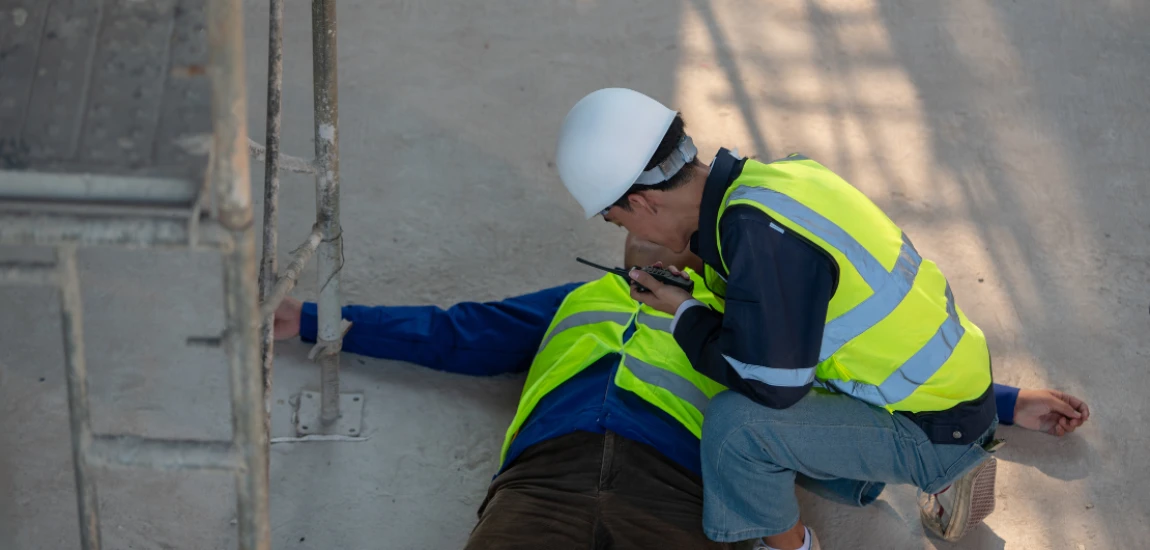
Traveler safety is one of the most important responsibilities of modern tourism destinations. Visitors expect to explore cities, beaches, mountains, cultural attractions, and outdoor recreation areas with confidence. However, changing weather conditions, overcrowding, transportation incidents, natural disasters, medical emergencies, and communication failures can create serious risks for travelers and tourism businesses.
Traditional safety management often depends on separate warning systems, manual observation, and communication between organizations that may not share information quickly. When an emergency develops, fragmented information can delay decisions and make it harder to guide visitors toward safe locations.
**Intelligent Visitor Safety and Emergency Response Networks** offer a more coordinated approach. These networks integrate weather alerts, crowd monitoring, destination risk assessments, emergency communication channels, and response procedures to help tourism authorities identify hazards and act promptly.
By combining reliable data with clear responsibilities, destinations can improve emergency preparedness, support first responders, and provide visitors with timely safety information. These systems can also help hotels, tour operators, transport providers, attraction managers, and local communities coordinate their responses during unexpected events.
Technology alone cannot prevent every emergency. Effective visitor safety requires trained personnel, accessible communication, reliable infrastructure, and cooperation among public and private organizations. When these elements work together, intelligent safety networks can help destinations reduce avoidable risks, protect visitors, and maintain confidence in tourism services.
Understanding Intelligent Visitor Safety and Emergency Response Networks

Intelligent visitor safety networks connect the information, organizations, and procedures needed to identify tourism-related hazards and coordinate emergency responses. Rather than treating every risk as an isolated incident, they create a shared understanding of conditions across a destination.
Connecting Tourism Safety Systems
A destination may operate several safety systems simultaneously. Weather agencies issue forecasts and warnings, transport operators monitor road conditions, attraction managers count visitors, and emergency services coordinate rescue and medical support.
An intelligent visitor safety network connects relevant information from these sources where practical. For example, if severe rainfall is forecast near a popular hiking area, destination managers can combine the weather warning with trail conditions, visitor numbers, transport availability, and the location of designated shelters.
This shared picture helps decision-makers determine whether to issue an advisory, restrict access, redirect visitors, or activate emergency procedures.
Integration does not require every organization to use identical software. Systems can exchange selected information through agreed data standards, communication protocols, and clearly defined responsibilities.
Identifying Risks Before They Become Emergencies
An effective network combines real-time monitoring with advance planning. Real-time information shows what is happening now, while historical records and risk assessments help explain which locations and activities may be particularly vulnerable.
A coastal attraction, for example, may face greater risks during storm surges, while a mountain destination may experience landslides, sudden temperature changes, or limited evacuation routes.
Tourism authorities can create risk maps identifying vulnerable locations, emergency access points, evacuation routes, medical facilities, and communication gaps.
These assessments should be updated when infrastructure, visitor patterns, climate conditions, or tourism activities change.
Creating a Shared Safety Culture
Intelligent systems work best when every participating organization understands its role. Local authorities may coordinate public warnings, businesses may communicate directly with guests, and emergency responders may manage rescue operations.
Written agreements should define who verifies alerts, who authorizes closures, how information is shared, and who communicates with visitors.
Regular coordination meetings and emergency exercises can reveal weaknesses before a real incident occurs.
The main objective is to establish a connected safety environment in which accurate information reaches the right people at the right time, supporting faster decisions and more reliable visitor protection.
Integrating Weather Alerts and Environmental Risk Monitoring

Weather-related hazards can develop rapidly and affect transportation, accommodation, outdoor activities, and public spaces. Integrating weather alerts into tourism safety networks helps destinations prepare for changing environmental conditions and reduce unnecessary exposure to danger.
Monitoring Weather and Environmental Conditions
Tourism destinations can use official weather forecasts, severe-weather warnings, flood alerts, temperature information, and relevant environmental monitoring data to understand emerging risks.
Depending on the location, additional information may include wildfire conditions, coastal warnings, air quality, river levels, or landslide alerts.
A hiking destination could combine forecast rainfall with trail closures and river conditions. A beach resort might connect coastal warnings with swimming restrictions and updates for boat operators.
Using multiple reliable information sources helps managers understand how a hazard could affect specific attractions and activities.
However, the quality and timeliness of the underlying information are essential. Destinations should identify authoritative sources and avoid relying on unverified social media reports for critical decisions.
Turning Alerts into Practical Safety Actions
Receiving a warning is only the first step. Safety procedures must explain what happens when particular thresholds or official alerts are reached.
For example, a destination could establish procedures for suspending boat tours during designated severe-weather warnings, closing vulnerable walking routes during flood conditions, or moving outdoor events to safer locations when conditions deteriorate.
Actions should be proportionate to the hazard and consistent with guidance from relevant authorities.
Tourism operators should also maintain contingency plans for visitors already participating in activities when conditions change. Staff need to know where visitors should go, how transportation will be arranged, and how to communicate revised plans.
Preparing for Climate-Related Tourism Risks
Changing climate patterns can increase uncertainty around extreme heat, heavy rainfall, wildfires, and other environmental hazards in many destinations.
Tourism planners should examine historical incidents, current exposure, infrastructure limitations, and relevant climate-risk assessments when developing long-term safety strategies.
Practical measures may include shaded rest areas, drinking-water access, improved drainage, fire management procedures, and clearly marked evacuation routes.
Seasonal preparedness plans should be reviewed regularly rather than assuming that past weather patterns will always provide reliable guidance.
By linking environmental monitoring with clear operational procedures, destinations can make earlier decisions, communicate risks more effectively, and reduce the likelihood that weather disruptions become serious visitor emergencies.
Using Crowd Monitoring to Prevent Overcrowding and Safety Incidents

Popular attractions, festivals, transport terminals, historic districts, and entertainment venues can experience sudden increases in visitor numbers. When crowds exceed the safe or comfortable capacity of an area, movement becomes more difficult and emergency access may be restricted.
Measuring Visitor Density and Movement
Crowd monitoring helps managers understand how many people are present, where visitors are gathering, and how quickly different areas are filling.
Depending on the setting, suitable methods may include ticketing records, manual counts, entry sensors, anonymous footfall analytics, and carefully managed camera-based systems.
For example, a heritage attraction can monitor entrance counts and visitor movement through narrow corridors. If congestion begins to increase, staff can adjust entry intervals or redirect visitors toward less crowded sections.
Monitoring systems should be selected according to the location, safety requirements, and available resources. Small attractions may benefit from trained staff and simple counting tools rather than expensive technology.
Establishing Crowd Thresholds and Response Procedures
Visitor capacity should reflect more than the total number of people an attraction can admit. Managers should consider available exits, walking-space requirements, emergency access, weather exposure, and the needs of people with mobility limitations.
Destinations can establish operational thresholds that trigger additional staff deployment, entry restrictions, temporary closures, or alternative visitor routes.
For example, a festival may use separate entrance and exit routes to reduce opposing pedestrian flows. If one area becomes congested, organizers can pause admissions and direct arriving visitors toward alternative spaces.
These procedures should be tested before major events and communicated clearly to employees, contractors, and emergency personnel.
Protecting Privacy While Improving Safety
Crowd monitoring must balance public safety with privacy and responsible data use.
Whenever possible, destinations should use aggregated counts and anonymous movement information instead of identifying individual travelers. Personal data collection should be limited to legitimate needs, with appropriate safeguards, retention policies, access controls, and compliance with applicable laws.
Visitors should receive clear information when monitoring systems collect personal information.
The purpose of intelligent crowd management is not to track people unnecessarily. It is to identify dangerous congestion, preserve safe movement, and help emergency personnel understand changing conditions.
When monitoring is combined with trained staff and practical crowd-control procedures, destinations can reduce avoidable incidents while improving the visitor experience.


Shivya Nath authors "The Shooting Star," a blog that covers responsible and off-the-beaten-path travel. She writes about sustainable tourism and community-based experiences.
Shivya Nath
Prev Post

Next Post