
Synthetic Consciousness Research and the Future of Emotionally Intelligent Machines
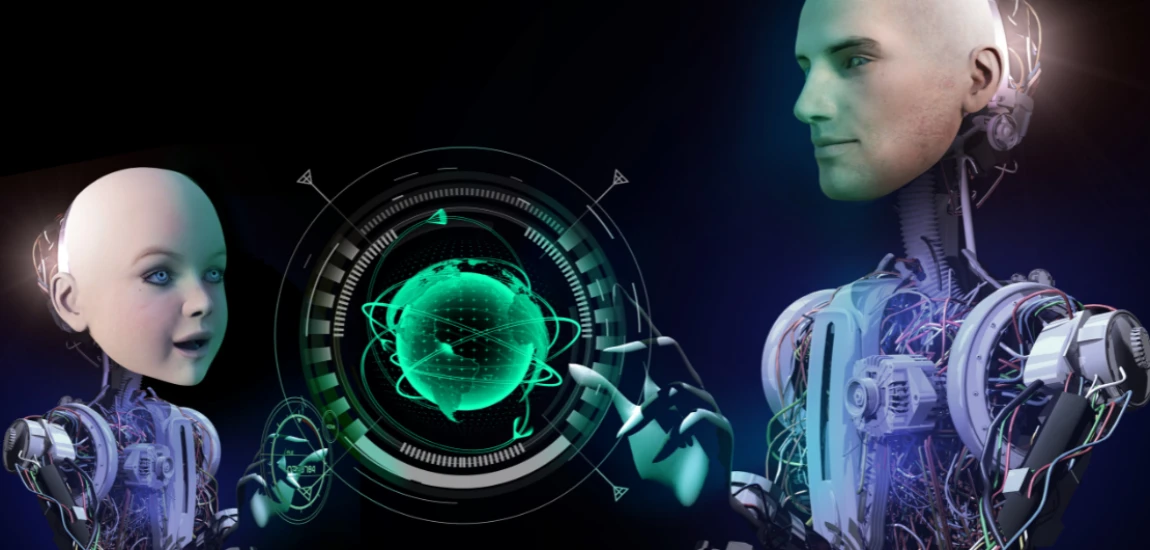
Artificial intelligence has evolved from performing simple computational tasks to powering sophisticated systems capable of recognizing speech, understanding natural language, generating creative content, and making complex decisions. As AI becomes increasingly integrated into healthcare, education, robotics, customer service, autonomous transportation, and scientific research, a new frontier has emerged—developing machines that can better understand human emotions, adapt to social interactions, and respond intelligently within diverse real-world environments. This ambitious area of study is known as Synthetic Consciousness Research.
Synthetic Consciousness Research explores whether advanced computational systems can simulate aspects of awareness, perception, learning, reasoning, and emotional understanding. While today's AI systems do not possess consciousness in the human sense, researchers are investigating architectures inspired by neuroscience, cognitive psychology, and brain-inspired computing to create machines capable of more natural, context-aware interactions. The objective is not to replicate human consciousness exactly, but to develop AI systems that communicate, learn, and collaborate with people more effectively through advanced cognitive and emotional intelligence.
The convergence of artificial intelligence, affective computing, cognitive science, neuromorphic computing, large language models, robotics, and neuroscience is accelerating innovation in this field. Future emotionally intelligent machines may assist doctors in patient care, support personalized education, improve mental health services, collaborate with scientists, and enhance human-robot interaction. Although significant scientific, ethical, and philosophical questions remain, Synthetic Consciousness Research represents one of the most fascinating areas shaping the future of intelligent technology.
Understanding Synthetic Consciousness Research

Exploring the Concept of Synthetic Consciousness
Synthetic Consciousness Research investigates how artificial systems might simulate cognitive abilities commonly associated with conscious behavior. Rather than focusing solely on computational performance, researchers examine how intelligent machines perceive information, integrate experiences, adapt to changing environments, and respond appropriately to complex situations.
Unlike traditional AI, which typically performs narrowly defined tasks, synthetic consciousness emphasizes continuous learning, contextual reasoning, memory integration, and adaptive decision-making. Researchers draw inspiration from biological nervous systems, cognitive architectures, and human brain functions to design more flexible computational models capable of supporting sophisticated interactions.
It is important to distinguish between genuine human consciousness and computational simulations. Current research primarily focuses on creating functional models that imitate certain cognitive processes rather than claiming machines possess subjective awareness. This distinction remains central to both scientific research and ethical discussions surrounding future AI development.
Combining Artificial Intelligence with Cognitive Science
Synthetic Consciousness Research depends heavily on interdisciplinary collaboration. Artificial intelligence provides computational learning algorithms, while cognitive science contributes knowledge regarding perception, attention, memory, reasoning, language, and problem-solving.
Neuroscience helps researchers understand how biological neural systems process information, inspiring brain-inspired computational models such as neuromorphic processors and cognitive architectures. Psychology contributes insights into human behavior, emotional responses, and social interaction, enabling AI systems to communicate more naturally.
Machine learning further enhances these capabilities by allowing intelligent systems to improve continuously through experience rather than relying exclusively on predefined programming. Together, these scientific disciplines create increasingly sophisticated AI capable of understanding context, adapting behavior, and supporting meaningful human-machine collaboration.
Moving Toward Emotionally Intelligent Machines
One of the primary objectives of Synthetic Consciousness Research is developing emotionally intelligent machines capable of recognizing, interpreting, and responding appropriately to human emotions.
Modern affective AI analyzes facial expressions, voice characteristics, language patterns, physiological signals, and behavioral context to estimate emotional states. Rather than simply processing information logically, future AI systems may adapt communication styles, recommend personalized assistance, and respond empathetically according to individual user needs.
These emotionally aware capabilities improve trust, collaboration, accessibility, and user experience across healthcare, education, customer service, companion robotics, and workplace environments. Although emotional intelligence does not imply true consciousness, it represents a significant advancement toward more natural human-AI interaction.
Core Technologies Behind Emotionally Intelligent Machines

Artificial Intelligence, Machine Learning, and Cognitive Architectures
Artificial intelligence forms the computational foundation of Synthetic Consciousness Research. Advanced machine learning models process enormous datasets while identifying complex patterns in language, vision, speech, reasoning, and behavior.
Cognitive architectures organize these capabilities into integrated systems that simulate multiple aspects of intelligent thinking, including perception, memory, planning, attention, and decision-making. Rather than operating as isolated algorithms, these architectures coordinate multiple cognitive processes simultaneously, creating more adaptive and flexible intelligent systems.
Reinforcement learning further enhances machine intelligence by enabling AI to improve through continuous interaction with dynamic environments. These learning mechanisms allow emotionally intelligent machines to refine their responses over time while adapting to changing user preferences and situational contexts.
Affective Computing and Human Emotion Recognition
Affective computing represents one of the most important technologies supporting emotionally intelligent machines. This field focuses on enabling computers to recognize, interpret, simulate, and appropriately respond to human emotional expressions.
AI systems analyze facial movements, speech intonation, word choice, typing behavior, physiological measurements, and contextual information to estimate emotional states such as happiness, stress, frustration, anxiety, or excitement. Multimodal analysis significantly improves accuracy by combining information from multiple communication channels simultaneously.
Emotion recognition enables AI assistants, healthcare platforms, educational systems, and customer support applications to personalize interactions while improving communication quality. These capabilities create more engaging, responsive, and supportive user experiences across numerous industries.
Neuromorphic Computing, Robotics, and Brain-Inspired Systems
Neuromorphic computing introduces brain-inspired hardware specifically designed to process information more efficiently than conventional computer architectures. Spiking neural networks imitate biological neurons by communicating through electrical impulses, enabling highly energy-efficient real-time processing.
Combined with advanced robotics, neuromorphic systems allow emotionally intelligent machines to perceive their environments, coordinate physical movement, recognize social interactions, and adapt behavior continuously. Intelligent robots increasingly integrate vision systems, speech recognition, tactile sensors, and contextual reasoning to collaborate effectively with humans.
Future developments may combine neuromorphic processors, cognitive architectures, large language models, and emotional AI into unified intelligent systems capable of supporting highly sophisticated human-machine interaction while operating efficiently across real-world environments.
Applications of Synthetic Consciousness Research Across Industries

Healthcare, Mental Wellness, and Personalized Care
Synthetic Consciousness Research has the potential to transform healthcare by enabling emotionally intelligent systems that better understand patient needs. AI-powered virtual assistants, diagnostic support tools, and robotic caregivers can recognize emotional cues through speech patterns, facial expressions, and behavioral changes. These systems help healthcare professionals monitor patient well-being while providing more personalized care.
Mental health support platforms can use emotional intelligence to identify signs of stress, anxiety, depression, or emotional distress during conversations. While these systems cannot replace qualified healthcare professionals, they can provide early assistance, encourage healthy habits, and recommend appropriate resources when needed. Hospitals may also use emotionally aware AI to improve patient engagement, automate routine administrative tasks, and support long-term rehabilitation programs.
As wearable sensors and health-monitoring technologies continue to advance, emotionally intelligent AI can analyze physiological signals alongside contextual information to deliver more accurate health insights. These innovations may improve patient outcomes while reducing the workload of healthcare providers and increasing access to quality care.
Education, Customer Experience, and Workplace Collaboration
Emotionally intelligent machines can significantly improve education by adapting learning experiences according to each student's emotional state, progress, and preferred learning style. AI tutors may recognize confusion, frustration, or confidence during lessons and adjust explanations, pacing, or teaching methods to maintain engagement.
Businesses can also benefit from emotionally aware AI in customer service. Intelligent virtual assistants capable of recognizing customer emotions may respond more politely, personalize recommendations, and escalate complex situations to human representatives when appropriate. This approach improves customer satisfaction while reducing response times.
Within modern workplaces, emotionally intelligent collaboration tools can assist teams by identifying communication challenges, scheduling meetings efficiently, and supporting employee well-being. AI systems that understand workplace context help organizations create more productive and supportive environments without replacing human judgment.
Robotics, Smart Homes, and Human-AI Interaction
Human-centered robotics represents one of the most exciting applications of Synthetic Consciousness Research. Service robots operating in homes, hospitals, hotels, airports, and retail environments require more than technical accuracy—they must communicate naturally and respond appropriately to human behavior.
Emotionally intelligent robots can recognize gestures, facial expressions, tone of voice, and situational context to provide more comfortable interactions. Smart home assistants may adjust lighting, entertainment, reminders, or environmental settings based on user preferences and emotional indicators.
Although these machines do not experience emotions themselves, their ability to simulate emotionally appropriate responses improves trust, usability, and cooperation between humans and intelligent technologies.
Benefits of Emotionally Intelligent Machines

Natural Human-Machine Communication
Traditional computer systems typically respond through predefined commands and structured interactions. Emotionally intelligent machines improve communication by interpreting conversational context, emotional signals, and user intentions more effectively.
Natural language processing, speech recognition, and affective computing enable AI to generate responses that feel more personalized and supportive. This natural communication reduces misunderstandings while making advanced technologies more accessible to users of different ages, backgrounds, and technical abilities.
Improved communication also increases user confidence when interacting with AI-powered healthcare assistants, educational platforms, business applications, and service robots.
Adaptive Learning and Personalized Experiences
One of the greatest strengths of emotionally intelligent AI is its ability to adapt continuously through experience. Machine learning algorithms analyze previous interactions, user preferences, and contextual information to improve future recommendations and decision-making.
Educational platforms personalize learning materials, healthcare systems recommend individualized treatment support, and digital assistants tailor responses according to user behavior. Continuous adaptation creates more meaningful and efficient experiences while increasing long-term user satisfaction.
These adaptive capabilities make emotionally intelligent systems valuable across industries requiring personalized services and ongoing human interaction.
Improved Decision Support and Collaboration
Emotionally intelligent machines can assist professionals by organizing information, recognizing communication patterns, and providing contextual recommendations during complex decision-making processes.
Rather than replacing human expertise, AI enhances collaboration by reducing repetitive tasks, identifying relevant insights, and improving situational awareness. Professionals remain responsible for final decisions while benefiting from intelligent computational assistance.
This collaborative model encourages responsible AI deployment while maximizing productivity across healthcare, education, engineering, scientific research, finance, and customer service.


Shivya Nath authors "The Shooting Star," a blog that covers responsible and off-the-beaten-path travel. She writes about sustainable tourism and community-based experiences.
Shivya Nath

Prev Post

Next Post