
Digital Immune System Platforms and the Future of Autonomous Cyber Resilience
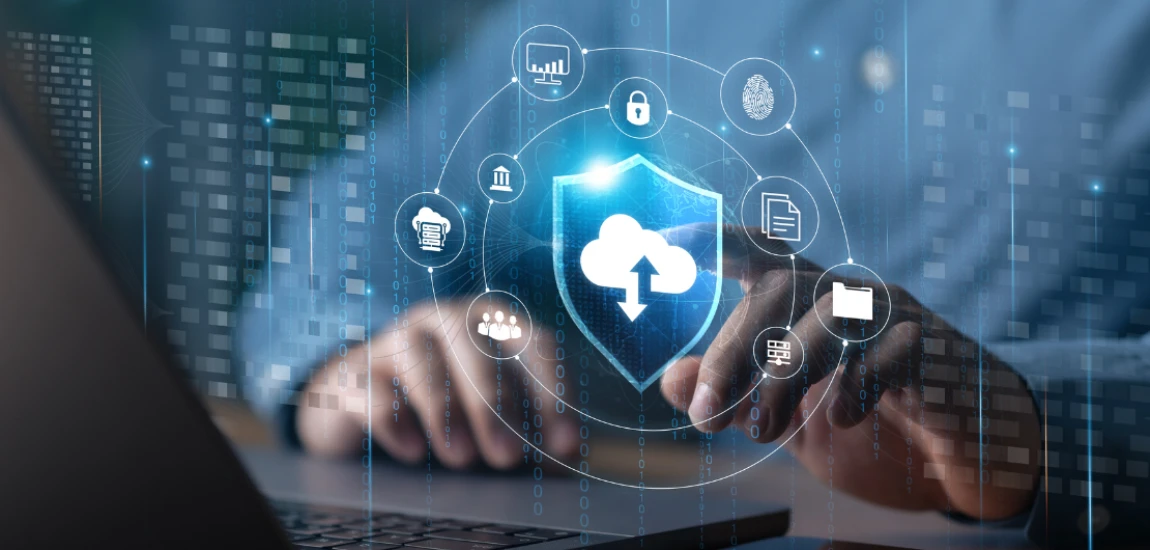
The digital world is expanding at an unprecedented pace as organizations increasingly rely on cloud computing, artificial intelligence, Internet of Things (IoT) devices, edge computing, remote work environments, and highly connected digital ecosystems. While these technologies create enormous opportunities for innovation and productivity, they also expose organizations to increasingly sophisticated cyber threats. Traditional cybersecurity methods that rely primarily on predefined rules, manual monitoring, and reactive incident response are no longer sufficient to defend against rapidly evolving attacks.
To address these growing challenges, cybersecurity experts are developing Digital Immune System Platforms, an advanced security approach inspired by the adaptive capabilities of the human immune system. Just as the biological immune system continuously monitors the body, identifies harmful pathogens, and automatically responds to infections, Digital Immune System Platforms continuously observe digital environments, detect anomalies, isolate threats, and initiate autonomous recovery processes before significant damage occurs.
These intelligent cybersecurity ecosystems integrate artificial intelligence, machine learning, behavioral analytics, automated incident response, threat intelligence, zero-trust architecture, and self-healing technologies into a unified defensive framework. Rather than relying solely on human intervention, Digital Immune System Platforms learn from previous attacks, adapt to emerging threats, and strengthen their defenses over time. As cyberattacks become more automated and persistent, autonomous cyber resilience will become a fundamental requirement for protecting modern enterprises, smart cities, industrial systems, financial institutions, healthcare organizations, and critical infrastructure.
Understanding Digital Immune System Platforms

Learning from the Human Immune System
The human immune system protects the body by constantly identifying harmful microorganisms, distinguishing them from healthy cells, and activating defensive mechanisms whenever infections occur. It continuously adapts to new threats while improving future responses through immunological memory.
Digital Immune System Platforms apply these same principles to cybersecurity. Intelligent monitoring systems continuously observe user behavior, network activity, application performance, endpoint devices, cloud infrastructure, and communication patterns. Artificial intelligence analyzes this information to distinguish normal operational behavior from suspicious activities that may indicate cyberattacks.
Instead of waiting until attacks cause significant damage, the platform proactively detects anomalies during their earliest stages. Once threats are identified, automated response mechanisms isolate affected systems, block malicious activities, and initiate recovery procedures while maintaining business continuity.
This adaptive cybersecurity approach enables organizations to defend against increasingly sophisticated threats with greater speed, accuracy, and resilience than traditional security architectures.
Artificial Intelligence as the Cyber Defense Engine
Artificial intelligence serves as the central intelligence layer within Digital Immune System Platforms. Machine learning models continuously analyze enormous volumes of cybersecurity data collected from endpoints, servers, cloud services, IoT devices, applications, identity systems, and network traffic.
Behavioral analytics establish baseline patterns representing normal user activity and system performance. When deviations occur—such as unusual login attempts, unexpected data transfers, privilege escalation, or abnormal application behavior—AI immediately identifies these anomalies and evaluates potential security risks.
Unlike static rule-based security tools, machine learning continuously improves through experience. As new attack techniques emerge, AI adapts its detection capabilities while reducing false positives and improving response accuracy. This continuous learning enables cybersecurity systems to evolve alongside increasingly advanced cyber threats.
Creating Autonomous Cyber Resilience
The defining objective of Digital Immune System Platforms extends beyond detecting attacks. These intelligent ecosystems aim to create autonomous cyber resilience by enabling digital infrastructure to defend, recover, and strengthen itself with minimal human intervention.
Automated security orchestration coordinates multiple defensive technologies including endpoint protection, identity management, cloud security, network monitoring, vulnerability management, and incident response platforms. AI prioritizes threats based on severity while initiating predefined recovery workflows immediately after detection.
Self-healing capabilities automatically restore affected applications, reconfigure compromised systems, patch vulnerabilities, and validate system integrity before returning services to normal operation. This proactive resilience significantly reduces downtime, minimizes financial losses, and strengthens long-term organizational cybersecurity.
Core Technologies Behind Autonomous Cyber Resilience

Artificial Intelligence and Machine Learning
Artificial intelligence forms the analytical foundation of Digital Immune System Platforms. Modern organizations generate enormous amounts of cybersecurity information through network traffic, authentication logs, endpoint telemetry, cloud services, email communications, and application monitoring systems.
Machine learning algorithms continuously process this data to identify hidden attack patterns, detect advanced persistent threats, predict emerging vulnerabilities, and prioritize incident response efforts. Deep learning models recognize complex behavioral relationships that traditional signature-based security systems often fail to detect.
Predictive analytics further strengthens cyber resilience by forecasting potential attack pathways before adversaries exploit them. These capabilities allow organizations to proactively strengthen defenses rather than responding only after security incidents occur.
Zero Trust Architecture and Identity Security
Zero Trust Architecture has become a critical component of autonomous cyber resilience. Rather than assuming users or devices are trustworthy after initial authentication, Zero Trust continuously verifies identity, device health, user behavior, and access privileges throughout every digital interaction.
Identity management systems evaluate authentication requests using multifactor authentication, behavioral biometrics, device verification, contextual analysis, and adaptive access policies. AI continuously monitors identity-related activities while detecting credential theft, account compromise, insider threats, and unauthorized privilege escalation.
This continuous verification significantly reduces attack surfaces while limiting opportunities for cybercriminals to move laterally throughout organizational networks.
Security Automation, Threat Intelligence, and Self-Healing Systems
Security automation enables Digital Immune System Platforms to respond immediately when threats are detected. Automated workflows isolate compromised endpoints, block malicious IP addresses, terminate suspicious processes, initiate forensic investigations, and notify security teams without waiting for manual intervention.
Threat intelligence platforms continuously collect information regarding newly discovered malware, ransomware campaigns, phishing attacks, software vulnerabilities, and nation-state cyber activities. Artificial intelligence integrates this external intelligence with internal security telemetry to improve detection accuracy.
Self-healing cybersecurity mechanisms complete the autonomous defense cycle by restoring damaged systems automatically. Backup restoration, configuration management, vulnerability patching, application recovery, and system validation occur with minimal operational disruption, enabling organizations to recover rapidly while strengthening future resilience.
Applications of Digital Immune System Platforms Across Industries

Enterprise Cybersecurity and Cloud Infrastructure
Digital Immune System Platforms are transforming enterprise cybersecurity by providing continuous protection across cloud environments, hybrid infrastructures, and on-premises networks. Modern organizations operate thousands of connected devices, applications, and cloud services, making manual monitoring increasingly difficult.
AI-powered security platforms continuously analyze user behavior, application activity, network traffic, and endpoint telemetry to identify suspicious actions before they become serious incidents. When threats such as ransomware, phishing attacks, or unauthorized access attempts are detected, automated response systems isolate affected resources while maintaining normal business operations.
Cloud environments particularly benefit from autonomous cyber resilience because workloads frequently move across multiple platforms. Digital Immune System Platforms continuously monitor these environments, ensuring consistent security regardless of infrastructure complexity while improving regulatory compliance and operational reliability.
Healthcare, Financial Services, and Critical Infrastructure
Healthcare organizations, financial institutions, and critical infrastructure providers manage highly sensitive information that must remain secure and continuously available. Digital Immune System Platforms protect these industries by detecting threats in real time while reducing operational disruptions.
Hospitals use AI-driven security systems to monitor medical devices, electronic health records, and hospital networks for abnormal behavior. Financial institutions rely on behavioral analytics to identify fraudulent transactions, account takeovers, and suspicious payment activities before financial losses occur.
Energy grids, transportation systems, telecommunications networks, and water treatment facilities also benefit from autonomous cybersecurity capable of detecting attacks against operational technology. Continuous monitoring and automated recovery improve service reliability while protecting essential public infrastructure from increasingly sophisticated cyber threats.
Industrial IoT and Smart Manufacturing
Modern factories depend on interconnected industrial control systems, autonomous robots, IoT sensors, and cloud-connected production platforms. Cyberattacks targeting these environments can disrupt manufacturing operations, damage equipment, and create significant financial losses.
Digital Immune System Platforms continuously monitor industrial devices, communication protocols, and operational technology environments for unusual behavior. Artificial intelligence distinguishes normal production variations from malicious activities while coordinating immediate defensive responses.
Predictive analytics also identify vulnerable equipment before attackers exploit weaknesses. Combined with automated patch management and self-healing recovery, these capabilities improve production continuity while supporting secure Industry 4.0 and future Industry 5.0 initiatives.
Benefits of Autonomous Cyber Resilience

Rapid Threat Detection and Automated Response
One of the greatest advantages of Digital Immune System Platforms is their ability to detect and respond to cyber threats almost immediately. Traditional security teams often require valuable time to investigate alerts, analyze evidence, and determine appropriate actions.
Artificial intelligence accelerates this process by evaluating millions of security events continuously while identifying attack patterns in real time. Automated workflows isolate compromised systems, terminate malicious processes, block suspicious communications, and begin recovery procedures without waiting for manual approval.
Faster response minimizes operational disruption while preventing attackers from expanding their access throughout organizational environments.
Continuous Learning and Adaptive Protection
Cyber threats constantly evolve as attackers develop new techniques designed to bypass conventional security tools. Static rule-based defenses struggle to recognize previously unknown attack methods.
Digital Immune System Platforms continuously learn from operational experience using machine learning and behavioral analytics. Every detected incident improves future threat recognition, enabling cybersecurity systems to adapt automatically as attack techniques change.
Threat intelligence integration further strengthens adaptive protection by incorporating global cybersecurity information into local defense strategies. This continuous evolution significantly improves long-term cyber resilience.
Improved Business Continuity and Cost Efficiency
Successful cyberattacks often result in financial losses, regulatory penalties, reputational damage, and prolonged service interruptions. Autonomous cyber resilience reduces these risks by preventing incidents from escalating into major operational crises.
Self-healing technologies restore affected applications, recover data, repair configurations, and validate system integrity automatically. Reduced downtime improves customer satisfaction while lowering incident response costs and minimizing productivity losses.
Organizations also benefit from more efficient security operations because automated systems handle routine monitoring, allowing cybersecurity professionals to focus on strategic risk management.


Ben Schlappig runs "One Mile at a Time," focusing on aviation and frequent flying. He offers insights on maximizing travel points, airline reviews, and industry news.
Ben Schlappig
Prev Post

Next Post