
Bioelectronic Medicine Systems and the Future of Intelligent Healthcare Technologies
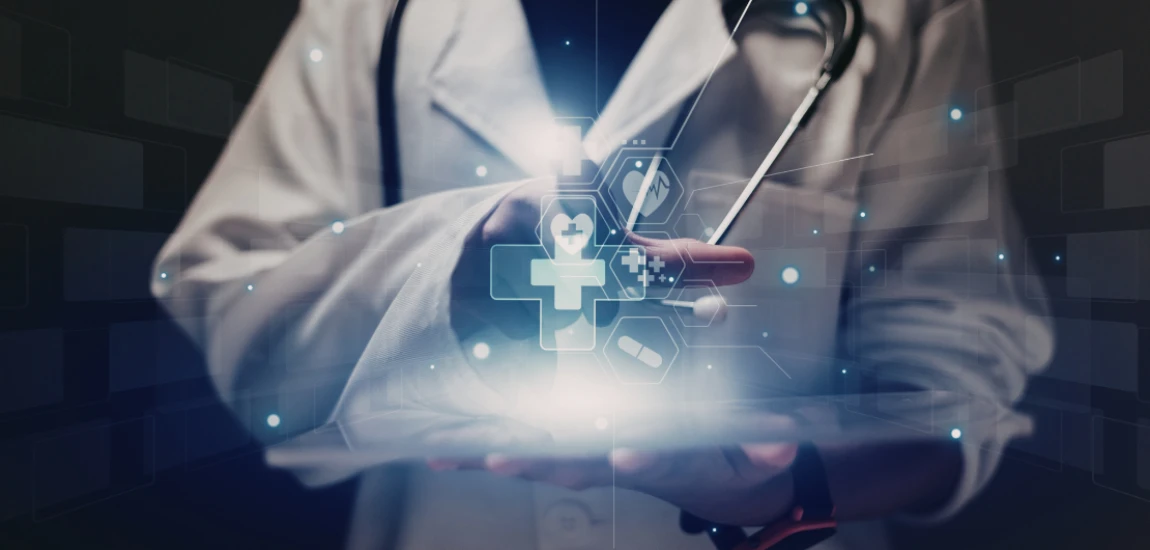
Healthcare is experiencing a remarkable technological transformation driven by advances in artificial intelligence, biotechnology, medical electronics, wearable devices, and precision medicine. Traditional medical treatments have long relied on pharmaceuticals and surgical procedures to manage diseases, but researchers are now exploring innovative therapies that interact directly with the body's electrical signaling systems. Among the most promising of these innovations are Bioelectronic Medicine Systems, an emerging field that combines neuroscience, biomedical engineering, artificial intelligence, and digital health technologies to diagnose, monitor, and treat medical conditions with greater precision.
Bioelectronic medicine is based on the understanding that the human nervous system communicates through electrical impulses. By using intelligent electronic devices to detect, interpret, and modulate these signals, healthcare professionals can influence organ function, regulate immune responses, reduce inflammation, manage chronic pain, and treat neurological disorders. Unlike many conventional drug therapies, bioelectronic treatments can deliver highly targeted interventions while minimizing systemic side effects.
Recent advancements in miniaturized sensors, implantable medical devices, machine learning algorithms, wireless communication, and cloud computing have accelerated the development of intelligent bioelectronic healthcare systems. These technologies continuously collect physiological data, analyze patient conditions in real time, and automatically adjust therapies according to individual health needs. This personalized approach improves treatment effectiveness while enhancing patient comfort and long-term disease management.
As healthcare moves toward more connected, data-driven, and patient-centered models, Bioelectronic Medicine Systems are expected to play a central role in shaping the future of intelligent healthcare technologies. Their ability to combine biological understanding with advanced electronics opens new possibilities for treating diseases more accurately, efficiently, and safely than ever before.
Understanding Bioelectronic Medicine Systems

What Are Bioelectronic Medicine Systems?
Bioelectronic Medicine Systems are advanced healthcare technologies that use electronic devices to interact with the body's natural electrical communication networks. Instead of relying exclusively on medications or invasive surgical procedures, these systems detect and regulate electrical signals traveling through nerves to influence physiological functions and support disease treatment.
The human nervous system controls nearly every organ through electrical impulses transmitted between the brain, spinal cord, and peripheral nerves. Bioelectronic medicine uses implantable devices, wearable sensors, neural stimulators, and intelligent monitoring systems to communicate with these neural pathways. By delivering carefully controlled electrical stimulation, physicians can modify biological processes associated with inflammation, chronic pain, cardiovascular disorders, digestive diseases, neurological conditions, and immune system regulation.
Modern bioelectronic devices often include artificial intelligence capabilities that continuously monitor patient responses and automatically optimize treatment settings. This enables highly personalized therapies that adapt to changing physiological conditions without requiring constant manual adjustments by healthcare providers.
Bioelectronic medicine also supports preventive healthcare by detecting early physiological changes before symptoms become severe. Continuous monitoring enables physicians to identify health risks earlier, improving diagnosis and reducing the likelihood of serious complications.
As research continues advancing, bioelectronic medicine is becoming an increasingly important component of precision healthcare, offering innovative alternatives to conventional pharmaceutical treatments.
Core Technologies Behind Bioelectronic Healthcare
Several advanced technologies work together to enable intelligent bioelectronic medicine systems. Biomedical sensors continuously monitor physiological signals such as heart rhythm, muscle activity, neural impulses, blood glucose levels, respiration, and body temperature. These sensors generate detailed real-time health data that forms the foundation of personalized medical care.
Artificial intelligence processes this information using machine learning algorithms capable of identifying abnormal physiological patterns, predicting disease progression, and recommending personalized treatment adjustments. AI continuously improves its predictions as more patient data becomes available.
Neural stimulation devices deliver precisely controlled electrical impulses to targeted nerves responsible for regulating specific organs or biological functions. These implantable or wearable devices allow physicians to treat medical conditions by directly influencing neural communication pathways.
Wireless communication technologies securely transmit patient data to healthcare providers through cloud-based medical platforms. Physicians can remotely monitor patient conditions, adjust treatment parameters, and respond quickly when health changes are detected.
Miniaturized electronics and advanced battery technologies enable long-term operation of implantable devices while improving patient comfort. Together, these innovations create highly connected healthcare ecosystems that support continuous monitoring, intelligent diagnosis, and adaptive therapy.
How Bioelectronic Medicine Differs from Traditional Healthcare
Traditional healthcare often focuses on treating symptoms through medications, surgery, or physical therapies. While these approaches remain highly effective for many conditions, they may produce systemic side effects, require long recovery periods, or lack individualized treatment optimization.
Bioelectronic Medicine Systems introduce a fundamentally different therapeutic approach by targeting the body's natural electrical signaling networks. Instead of chemically altering biological processes, electronic devices regulate nerve activity directly, enabling more precise interventions with potentially fewer unwanted effects.
Another important distinction involves continuous adaptability. Conventional treatments are frequently administered according to fixed schedules, whereas bioelectronic systems continuously monitor patient conditions and automatically adjust therapy based on real-time physiological responses.
Artificial intelligence further enhances personalization by analyzing long-term health trends and optimizing treatment parameters for each individual. This dynamic approach allows therapies to evolve alongside changing patient needs rather than remaining static.
Rather than replacing conventional medicine, bioelectronic healthcare complements existing treatment strategies by providing physicians with additional tools for managing complex diseases more accurately and efficiently.
The Evolution of Intelligent Healthcare Technologies

From Conventional Medicine to Smart Digital Healthcare
Healthcare has evolved dramatically from paper medical records and symptom-based diagnosis to highly connected digital ecosystems supported by artificial intelligence, cloud computing, wearable devices, and advanced medical imaging. Bioelectronic Medicine Systems represent the next stage of this transformation by integrating intelligent electronics directly into patient care.
Modern hospitals increasingly rely on digital technologies to improve diagnosis, monitor patient health, and coordinate treatment. Electronic health records centralize patient information, while AI-powered diagnostic systems assist physicians in identifying diseases more accurately. Wearable medical devices continuously track vital signs, providing valuable insights outside traditional clinical settings.
Bioelectronic medicine extends these capabilities by creating direct communication between intelligent electronic systems and the human nervous system. Instead of simply observing health conditions, these technologies actively participate in therapy by regulating biological functions through precise electrical stimulation.
This shift from reactive treatment toward proactive health management supports earlier intervention, better disease prevention, and more personalized medical care. Patients benefit from continuous monitoring while physicians gain access to comprehensive physiological information that improves clinical decision-making.
As healthcare technologies continue advancing, intelligent digital medicine will increasingly focus on predictive, preventive, personalized, and connected care.
Artificial Intelligence as the Brain of Bioelectronic Medicine
Artificial intelligence plays a central role in the effectiveness of Bioelectronic Medicine Systems by transforming raw physiological signals into meaningful clinical insights. Machine learning algorithms analyze enormous quantities of patient data collected from neural stimulators, wearable sensors, implantable devices, and medical imaging systems.
AI identifies subtle physiological changes that may indicate disease progression long before symptoms become obvious. Physicians receive early warnings that support faster diagnosis and timely treatment, improving long-term patient outcomes.
Intelligent algorithms also personalize therapy by learning how individual patients respond to electrical stimulation. Treatment parameters automatically adjust to maximize effectiveness while minimizing unnecessary stimulation or discomfort.
Predictive analytics further strengthens bioelectronic healthcare by forecasting potential complications based on historical medical records and continuous physiological monitoring. Hospitals use these predictions to prioritize patient care, allocate resources efficiently, and reduce emergency hospital admissions.
As artificial intelligence models become increasingly sophisticated, bioelectronic medicine will provide even greater precision, automation, and personalization across a wide range of medical specialties.
The Growing Role of Connected Medical Devices
Connected medical devices are transforming healthcare by enabling continuous communication between patients, physicians, hospitals, and intelligent healthcare platforms. Bioelectronic Medicine Systems rely heavily on this interconnected infrastructure to deliver responsive and adaptive treatment.
Wearable devices monitor heart activity, sleep quality, physical movement, blood oxygen levels, glucose concentrations, and neurological signals throughout daily life. Implantable bioelectronic devices communicate wirelessly with secure medical platforms, allowing physicians to review treatment performance remotely.
Cloud computing stores large volumes of patient information while supporting AI-driven analytics that continuously improve therapeutic recommendations. Telemedicine platforms further expand access to specialized healthcare by allowing clinicians to evaluate patient data regardless of geographic location.
Remote monitoring reduces unnecessary hospital visits while enabling healthcare providers to respond quickly when abnormal physiological patterns are detected. Patients experience greater convenience, improved treatment adherence, and enhanced quality of life through continuous medical support.
As communication technologies continue improving, connected bioelectronic healthcare systems will become increasingly integrated into everyday medical practice, supporting more intelligent, accessible, and personalized healthcare services worldwide.
Applications of Bioelectronic Medicine Systems Across Healthcare

Treating Neurological Disorders and Chronic Pain
One of the most established applications of Bioelectronic Medicine Systems is the treatment of neurological disorders and chronic pain. Millions of people worldwide suffer from conditions such as Parkinson’s disease, epilepsy, multiple sclerosis, migraine disorders, spinal cord injuries, and chronic neuropathic pain. Traditional treatments often depend on medications that may lose effectiveness over time or produce unwanted side effects.
Bioelectronic medicine offers a more targeted solution by delivering carefully controlled electrical stimulation directly to specific nerves or regions of the brain. Devices such as deep brain stimulators, spinal cord stimulators, and vagus nerve stimulators help regulate abnormal neural activity, reducing symptoms while improving patients’ quality of life.
Artificial intelligence enhances these therapies by continuously analyzing neural signals and adjusting stimulation parameters according to each patient's physiological response. Instead of relying on fixed treatment settings, intelligent bioelectronic systems personalize therapy in real time, improving effectiveness while minimizing unnecessary stimulation.
Researchers are also exploring brain-computer interfaces that allow patients with paralysis or severe neurological damage to regain communication or control external devices through neural signals. These innovations demonstrate the growing potential of bioelectronic medicine to restore lost functions and support long-term rehabilitation.
As neuroscience and biomedical engineering continue advancing, intelligent neural therapies are expected to expand treatment options for many neurological diseases that currently have limited therapeutic solutions.
Managing Cardiovascular, Metabolic, and Immune Disorders
Beyond neurology, Bioelectronic Medicine Systems are increasingly being used to manage cardiovascular diseases, metabolic disorders, and immune-related conditions. The body's organs constantly communicate through complex neural pathways, making electrical modulation an effective strategy for regulating biological functions without relying solely on pharmaceutical treatments.
Cardiac pacemakers and implantable defibrillators represent some of the earliest successful bioelectronic devices. Modern intelligent versions continuously monitor heart rhythms, automatically adjusting electrical stimulation to maintain healthy cardiac function while detecting life-threatening abnormalities before they become critical.
Bioelectronic medicine is also showing promise in diabetes management. Intelligent implantable devices can monitor blood glucose levels continuously while coordinating with insulin delivery systems to maintain stable blood sugar concentrations. Artificial intelligence further improves glucose regulation by predicting fluctuations based on patient activity, diet, and historical health data.
Researchers are also investigating bioelectronic therapies that regulate immune responses through neural stimulation. By influencing specific nerve pathways, physicians may eventually treat autoimmune diseases, chronic inflammation, rheumatoid arthritis, inflammatory bowel disease, and other immune disorders with greater precision and fewer side effects than conventional medications.
These expanding applications demonstrate how bioelectronic medicine is moving beyond symptom management toward intelligent regulation of complex physiological systems.
Supporting Rehabilitation and Personalized Patient Care
Rehabilitation medicine has benefited significantly from advances in bioelectronic technologies. Patients recovering from strokes, traumatic brain injuries, spinal cord damage, orthopedic surgery, or neuromuscular disorders often require long-term therapy to restore mobility and function.
Bioelectronic rehabilitation devices stimulate weakened muscles and damaged nerves while collecting detailed performance data during therapy sessions. Artificial intelligence analyzes patient progress and automatically adjusts treatment intensity to maximize recovery without causing excessive fatigue or discomfort.
Wearable exoskeletons equipped with intelligent sensors assist patients during walking exercises, while functional electrical stimulation devices help activate muscles affected by neurological injuries. These systems encourage natural movement patterns and accelerate rehabilitation outcomes.
Personalized patient care extends beyond physical rehabilitation. Bioelectronic monitoring devices continuously track vital signs, medication adherence, sleep quality, physical activity, and disease progression. Physicians receive real-time health updates that enable earlier interventions when complications arise.
This continuous connection between patients and healthcare providers creates more responsive treatment plans while reducing unnecessary hospital admissions. As bioelectronic healthcare technologies become more accessible, personalized rehabilitation and remote patient monitoring will become increasingly common components of modern medical care.
Benefits and Advantages of Intelligent Bioelectronic Healthcare

Improving Precision, Safety, and Treatment Effectiveness
One of the greatest strengths of Bioelectronic Medicine Systems is their ability to deliver highly targeted therapies with exceptional precision. Traditional medications often circulate throughout the entire body, affecting both healthy and diseased tissues. Bioelectronic treatments, by contrast, focus directly on specific nerves or organs responsible for a medical condition.
This targeted approach minimizes unwanted side effects while increasing treatment effectiveness. Electrical stimulation can be adjusted with remarkable accuracy to match each patient's unique physiological needs, allowing physicians to optimize therapy based on real-time biological feedback.
Artificial intelligence further strengthens treatment precision by continuously evaluating patient responses and recommending individualized adjustments. Machine learning algorithms identify subtle physiological changes that may indicate whether therapy should be increased, reduced, or modified altogether.
Continuous monitoring also improves patient safety. Intelligent bioelectronic devices detect abnormal heart rhythms, neurological events, respiratory changes, or device malfunctions immediately, enabling rapid intervention before serious complications develop.
By combining precision therapy with real-time monitoring, bioelectronic medicine supports safer and more effective healthcare for a wide range of chronic and complex medical conditions.
Reducing Healthcare Costs and Expanding Access to Care
Healthcare systems worldwide face growing pressure from aging populations, increasing rates of chronic disease, and rising treatment costs. Bioelectronic Medicine Systems help address these challenges by enabling more efficient and preventive healthcare delivery.
Continuous remote monitoring allows physicians to detect health problems earlier, reducing emergency hospital visits and preventing disease progression that often requires expensive interventions. Patients with chronic illnesses receive ongoing supervision without needing frequent in-person appointments, improving convenience while lowering healthcare costs.
Artificial intelligence automates many routine monitoring tasks, allowing healthcare professionals to focus their attention on patients requiring immediate clinical care. Hospitals also benefit from improved resource allocation because predictive analytics identify individuals at higher risk of complications before hospitalization becomes necessary.
Telemedicine integration further expands access to specialized healthcare services in rural and underserved communities. Patients living far from major medical centers can receive expert consultation through connected bioelectronic devices that securely transmit health information to physicians.
These efficiencies improve healthcare accessibility while supporting more sustainable medical systems capable of serving larger populations.
Shaping the Future of Personalized and Preventive Medicine
Perhaps the most transformative advantage of Bioelectronic Medicine Systems lies in their ability to support personalized and preventive healthcare. Instead of treating diseases only after symptoms appear, intelligent medical technologies continuously monitor physiological changes and identify potential health risks at their earliest stages.
Artificial intelligence analyzes long-term health trends, lifestyle patterns, genetic information, and physiological measurements to develop highly individualized treatment strategies. Therapies evolve alongside the patient's changing condition, creating dynamic care plans that improve long-term health outcomes.
Future bioelectronic devices may become even smaller, smarter, and more autonomous. Researchers are developing biodegradable implants, wireless neural interfaces, energy-harvesting medical devices, and advanced brain-computer communication systems capable of providing continuous healthcare support with minimal patient intervention.
The integration of quantum computing, advanced biosensors, nanotechnology, and next-generation artificial intelligence is expected to further enhance diagnostic accuracy and therapeutic precision. These innovations will allow physicians to treat increasingly complex diseases while improving patient comfort and quality of life.
As intelligent healthcare technologies continue evolving, Bioelectronic Medicine Systems will play a central role in creating a future where medicine is more predictive, personalized, connected, and effective. By combining biology, electronics, and artificial intelligence, these systems represent one of the most promising frontiers in modern healthcare, offering new hope for patients and transforming the delivery of medical care worldwide.


Shivya Nath authors "The Shooting Star," a blog that covers responsible and off-the-beaten-path travel. She writes about sustainable tourism and community-based experiences.
Shivya Nath

Prev Post

Next Post