Zero-Trust AI Security Frameworks and the Evolution of Intelligent Cyber Resilience
Explore how zero-trust AI security frameworks are helping organizations build adaptive, intelligent, and resilient defenses against modern cyber threats.

Lorem ipsum dolor sit amet, consectetur adipiscing elit. Donec eu ex non mi lacinia suscipit a sit amet mi. Maecenas non lacinia mauris. Nullam maximus odio leo. Phasellus nec libero sit amet augue blandit accumsan at at lacus.
Tech moves faster than your phone battery dies, and we’re here to keep up with it. Our Technology blogs shares the latest gadgets, apps, and trends—without the confusing jargon. Get fun, practical guides to smarter devices, helpful apps, and innovations that make life easier (or at least more interesting). Whether you’re a casual user or the family’s tech fixer, you’ll find updates, insights, and reviews with a sprinkle of humor—no coding degree required.

Explore how zero-trust AI security frameworks are helping organizations build adaptive, intelligent, and resilient defenses against modern cyber threats.
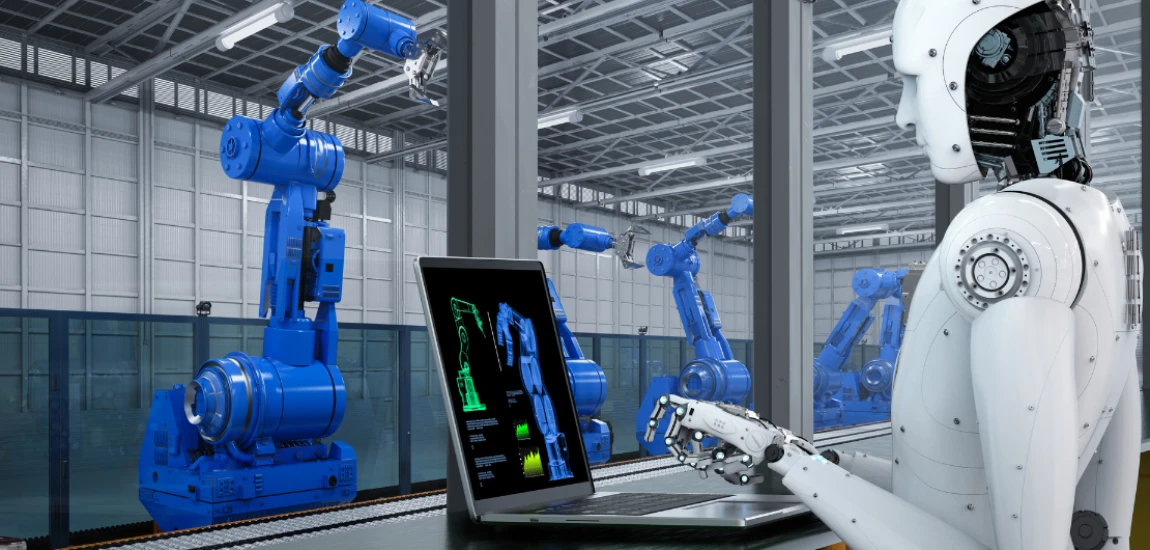
Explore how digital twins could help create fully autonomous factories capable of predicting problems, optimizing production, and making intelligent decisions in real time.

Explore how programmable metamaterials could enable infrastructure that senses, adapts, and changes its behavior in real time.

Explore how smart dust sensor ecosystems could enable invisible, continuous, and intelligent monitoring of air, water, soil, infrastructure, and environmental change.

Explore how artificial intelligence is creating autonomous supply chains that can predict disruptions, optimize logistics, and make global commerce more intelligent and resilient.
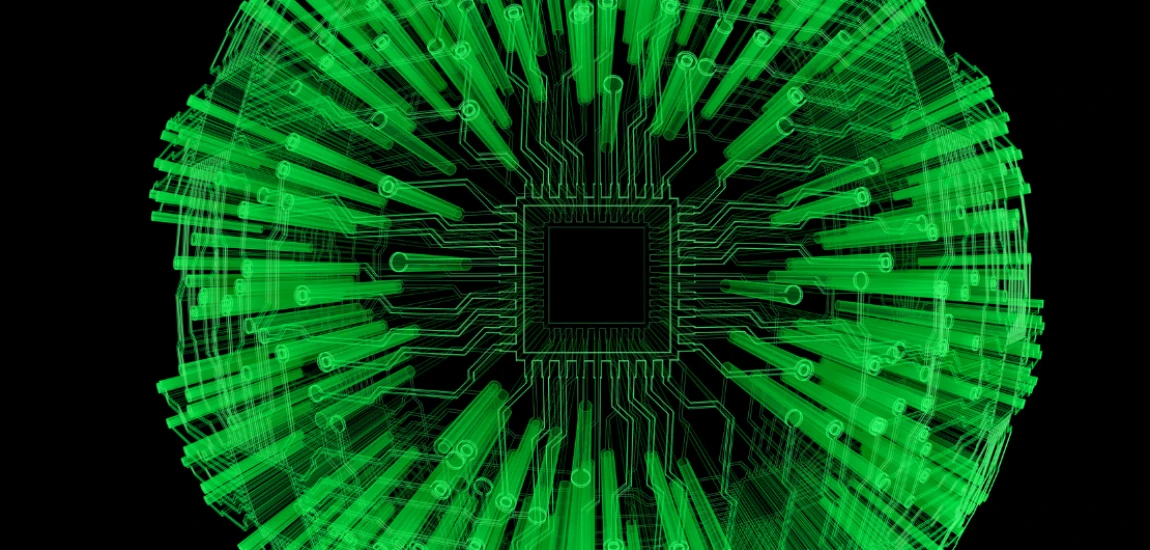
Discover how neuromorphic memory architectures could make artificial intelligence more efficient, adaptive, and similar to the information-processing capabilities of the human brain.

Explore how orbital data centers and space-based cloud computing could create a new generation of resilient, intelligent, and globally connected digital infrastructure.
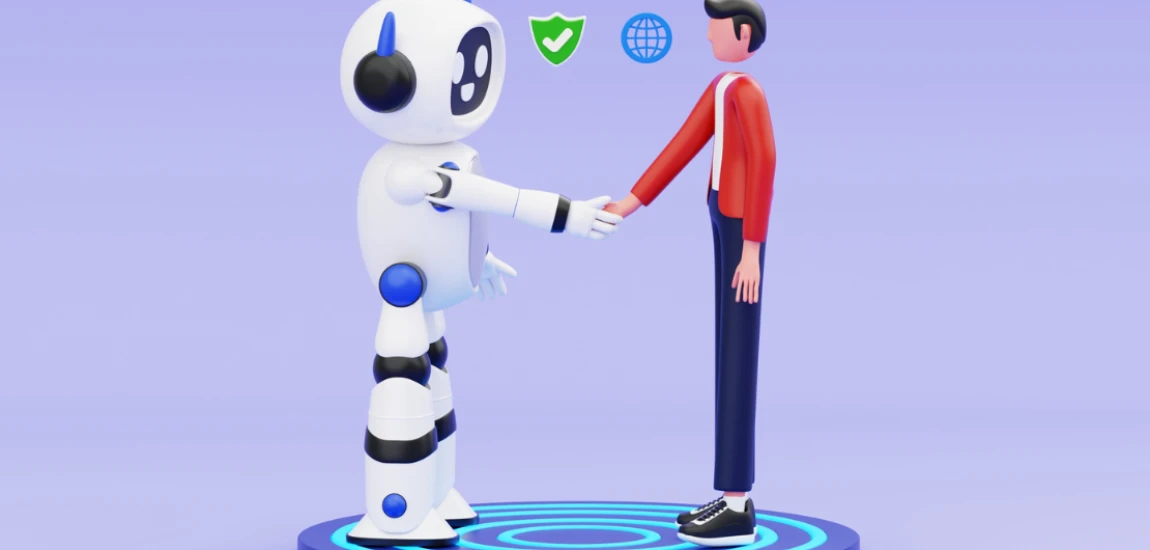
Explore how living bioelectronic interfaces could create a future where biology, electronics, and intelligent machines work together as one connected system.

Discover how quantum machine learning accelerators could redefine AI performance, optimization, and the future of intelligent computing.
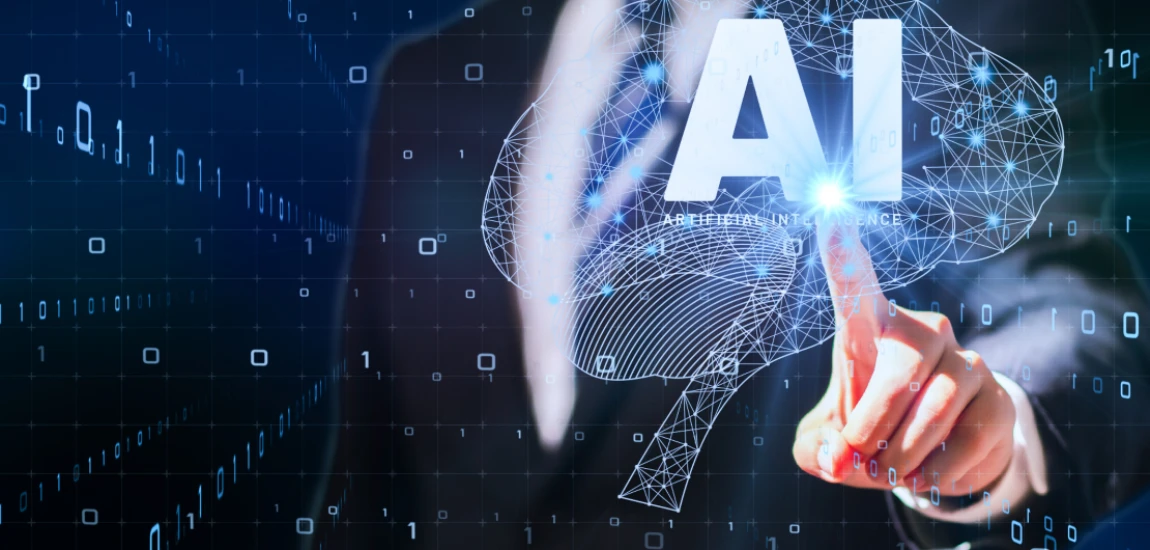
Explore how autonomous AI scientist networks could transform scientific research through AI-driven discovery, experimentation, and collaboration.