
Digital Twin Manufacturing Systems and the Future of Fully Autonomous Factories
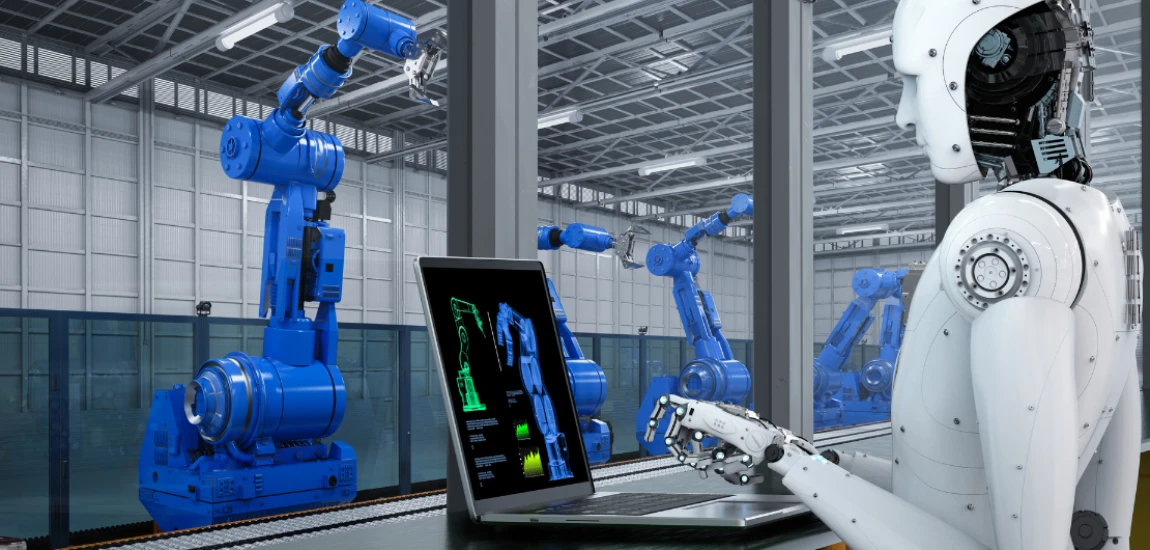
Manufacturing is entering a new phase of technological transformation. For decades, factories have gradually adopted automation, robotics, computer-controlled machinery, and industrial software. However, most manufacturing environments still depend on human operators, scheduled maintenance, fixed production plans, and physical testing.
The emergence of digital twin manufacturing systems is changing this model. A digital twin is a virtual representation of a physical object, machine, production line, factory, or entire industrial ecosystem. By connecting real-world equipment with sensors, Internet of Things technology, artificial intelligence, cloud computing, and real-time data, a digital twin can continuously reflect what is happening in the physical world.
This technology is becoming particularly important as manufacturers move toward smart factories and Industry 4.0. Instead of waiting for a machine to fail, a digital twin can help predict equipment problems. Instead of testing every production change physically, engineers can simulate different scenarios in a virtual environment. Instead of relying entirely on fixed schedules, an autonomous factory could adjust production according to demand, machine health, energy availability, and supply chain conditions.
The long-term vision is the fully autonomous factory: a manufacturing environment capable of monitoring itself, making operational decisions, coordinating machines, optimizing production, and responding to unexpected events with minimal human intervention.
Digital twin manufacturing systems could become the intelligence layer that makes this transformation possible. By connecting physical operations with continuously updated virtual models, factories may become more predictive, flexible, efficient, and self-optimizing.
Understanding Digital Twin Manufacturing Systems

From Virtual Models to Real-Time Industrial Intelligence
A basic digital model is a digital representation of a physical object. A digital twin goes further by maintaining an ongoing connection between the digital and physical environments.
Sensors installed on machines and production systems continuously collect information about temperature, vibration, pressure, speed, energy consumption, production quality, and other conditions. This information is sent to the digital twin, which updates its virtual representation of the factory.
The digital model can then be used to monitor current performance and simulate possible future conditions.
For example, if a machine begins showing unusual vibration patterns, the digital twin may identify the change before a physical breakdown occurs. AI algorithms can compare the current data with historical patterns and predict when maintenance may be necessary.
This turns the digital twin into more than a visualization tool. It becomes an intelligent decision-support system.
Creating a Virtual Copy of the Entire Factory
Digital twin technology can operate at different levels. A manufacturer may create a twin of a single machine, a production line, a warehouse, or an entire factory.
The most advanced systems connect these individual twins into a larger industrial ecosystem.
A machine twin can represent equipment health. A production-line twin can model manufacturing processes. A factory twin can analyze energy, workforce, materials, logistics, and output.
When these systems communicate with one another, manufacturers gain a more complete understanding of their operations.
This interconnected architecture is important because manufacturing problems rarely occur in isolation. A delay in one machine can affect an entire production line, while a shortage of raw materials can disrupt multiple facilities.
The Role of AI in Digital Twin Manufacturing
Artificial intelligence makes digital twins more powerful by transforming data into predictions and decisions.
AI can identify patterns that humans may not notice, predict machine failures, optimize production schedules, and recommend changes to factory operations.
In the future, AI agents may interact directly with digital twins. An AI system could analyze a production problem, simulate several possible solutions, select the most effective option, and automatically implement the change in the physical factory.
This creates a continuous feedback loop between the physical world and the digital environment.
How Digital Twins Enable Fully Autonomous Factories

Predictive Maintenance Without Human Scheduling
Traditional maintenance often follows fixed schedules. Machines may be inspected every few weeks or months, regardless of their actual condition.
Predictive maintenance uses real-time data to determine when equipment may require attention.
Digital twin manufacturing systems can monitor machine behavior continuously. AI algorithms analyze vibration, temperature, pressure, electrical signals, and operating patterns.
If the digital twin detects signs of potential failure, the system can predict the problem and recommend maintenance before production is interrupted.
In a fully autonomous factory, the system could go further. It might automatically schedule maintenance during a low-demand period, order replacement parts, and coordinate robotic maintenance systems.
This could reduce downtime and improve equipment lifespan.
Autonomous Production Planning
Factories must constantly balance demand, materials, machine availability, labor, energy, and delivery schedules.
Traditional production planning can be difficult when conditions change quickly.
An AI-powered digital twin can simulate multiple production strategies. It may determine which machines should operate, how materials should be allocated, and which products should be manufactured first.
If customer demand changes, the virtual factory can evaluate different options before making physical changes.
This allows production planning to become dynamic rather than fixed.
Self-Optimizing Manufacturing Processes
A fully autonomous factory could continuously search for ways to improve its operations.
AI might identify that a machine is consuming more energy than necessary or that a particular production sequence creates unnecessary delays.
The digital twin can simulate alternative configurations and predict their results.
If the new approach appears more efficient, the system could gradually implement the change.
This creates a factory that learns from its own operations.
The Technologies Powering Autonomous Manufacturing

Industrial IoT and Real-Time Sensors
Sensors are the foundation of digital twin manufacturing systems.
Modern industrial sensors can monitor machine conditions, environmental factors, product quality, energy consumption, and production performance.
The more accurate and comprehensive the data, the more useful the digital twin becomes.
Industrial IoT networks connect these sensors to software platforms that collect and analyze information.
This creates a constant flow of data between the physical factory and its virtual counterpart.
Robotics and Autonomous Machines
Robots are essential components of fully autonomous factories.
Robotic systems can perform assembly, material handling, inspection, packaging, welding, and other manufacturing tasks.
When robots are connected to a digital twin, their operations can be coordinated more intelligently.
The digital twin can identify bottlenecks, adjust workflows, and determine how machines should work together.
Autonomous mobile robots may transport materials throughout the facility, while robotic arms perform production tasks.
AI can coordinate these machines as part of a larger manufacturing ecosystem.
Edge Computing and Cloud Intelligence
Factories generate enormous amounts of data. Sending all information to a distant cloud server may create delays.
Edge computing allows data to be processed close to the machines that generate it.
A factory can use edge systems for rapid decisions, such as detecting equipment problems or stopping a dangerous operation.
Cloud computing can support larger-scale analysis, long-term data storage, and coordination between multiple facilities.
Digital twin manufacturing systems will likely combine edge and cloud computing to balance speed, scalability, and intelligence.
Benefits of Digital Twin Manufacturing Systems

Improved Efficiency and Reduced Waste
One of the biggest advantages of digital twins is improved operational efficiency.
Manufacturers can identify unnecessary delays, energy waste, material losses, and inefficient production sequences.
Virtual simulations allow companies to test improvements without interrupting real production.
This can reduce the risks associated with factory upgrades.
Digital twins can also help manufacturers optimize material use, reducing waste and improving sustainability.
Better Product Quality
AI-powered digital twins can monitor production conditions continuously.
If a machine begins producing defective components, the system may detect the issue quickly.
Computer vision systems can inspect products in real time, while digital models can compare actual performance with expected specifications.
This creates a more proactive approach to quality control.
Instead of discovering defects at the end of the production process, manufacturers can identify problems earlier.
Faster Innovation and Product Development
Digital twins can also accelerate the design and testing of new products.
Manufacturers can create a virtual representation of a product and simulate how it will perform under different conditions.
Engineers can test materials, designs, and production processes digitally before building physical prototypes.
This can reduce development time and costs.
The same digital twin can then be connected to the manufacturing process once production begins.
Greater Supply Chain Resilience
A factory does not operate independently from its suppliers and customers.
Digital twin systems can connect manufacturing data with supply chain information.
If a supplier experiences a disruption, the system can simulate the potential impact on production.
AI may then identify alternative suppliers, adjust production schedules, or modify inventory strategies.
This can make manufacturing systems more resilient in uncertain global conditions.


Gary Arndt operates "Everything Everywhere," a blog focusing on worldwide travel. An award-winning photographer, Gary shares stunning visuals alongside his travel tales.
Gary Arndt
Prev Post

Next Post