
Next-Generation Human Augmentation Technologies and the Evolution of Enhanced Cognitive Capabilities
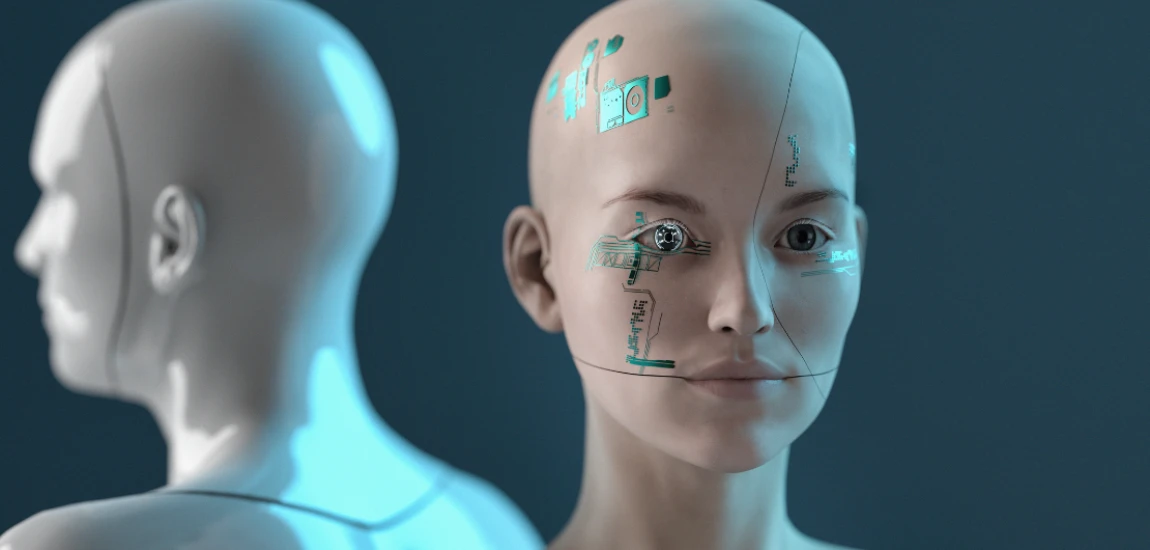
Human civilization has always pursued methods to expand physical and intellectual capabilities. From the invention of tools and written language to computers and artificial intelligence, technological advancements have consistently amplified human potential. Today, a new frontier is emerging that promises to redefine the relationship between humans and technology: next-generation human augmentation technologies.
Human augmentation refers to the enhancement of physical, sensory, and cognitive abilities through advanced technologies. While early augmentation solutions focused primarily on medical applications such as prosthetics and hearing aids, modern innovations are moving toward far more sophisticated systems. Brain-computer interfaces, neural implants, wearable intelligence platforms, artificial intelligence assistants, augmented reality systems, and neurotechnology frameworks are creating unprecedented opportunities for enhancing human cognition.
The evolution of enhanced cognitive capabilities represents one of the most significant technological transformations of the twenty-first century. Researchers are developing systems capable of improving memory, accelerating learning, increasing focus, enhancing decision-making, and enabling direct interaction between human brains and digital environments. These technologies may fundamentally alter education, healthcare, business, scientific research, and everyday life.
As advancements continue to accelerate, understanding the opportunities, challenges, and implications of human augmentation becomes increasingly important. The future may not simply involve smarter machines—it may involve smarter humans empowered by intelligent technologies working in harmony with the human mind.
Understanding Next-Generation Human Augmentation Technologies

Defining Human Augmentation
Next-generation human augmentation technologies encompass a broad range of innovations designed to enhance natural human capabilities. These technologies extend beyond traditional assistive devices by actively improving performance, cognition, perception, and interaction with the environment.
Human augmentation solutions may include neural implants, wearable devices, exoskeletons, augmented reality systems, artificial intelligence companions, and advanced bioengineering technologies. Their primary objective is to expand human potential rather than merely compensate for limitations.
As technology advances, augmentation systems are becoming more integrated, intelligent, and personalized, allowing individuals to achieve higher levels of performance across various domains.
Evolution from Assistance to Enhancement
Historically, augmentation technologies focused on restoring lost functions caused by injury, illness, or disability. Modern developments are shifting toward enhancement applications that improve abilities beyond typical human levels.
Advanced neurotechnology platforms can potentially strengthen memory retention, increase concentration, and accelerate skill acquisition. Similarly, AI-powered systems can provide real-time cognitive support, enabling more informed and efficient decision-making.
This transition from restoration to enhancement represents a significant evolution in human-technology interaction.
Convergence of Multiple Technologies
The future of human augmentation relies on the convergence of several technological disciplines. Artificial intelligence, neuroscience, biotechnology, nanotechnology, wearable computing, and advanced materials science are increasingly interconnected.
These technologies work together to create integrated augmentation ecosystems capable of monitoring biological signals, analyzing cognitive states, and delivering personalized enhancements.
This multidisciplinary approach is accelerating innovation and expanding the possibilities of cognitive augmentation.
Brain-Computer Interfaces and Neural Connectivity

The Rise of Brain-Computer Interfaces
Brain-computer interfaces (BCIs) are among the most transformative human augmentation technologies currently under development. BCIs establish direct communication pathways between the human brain and digital systems.
These interfaces interpret neural signals and convert them into actionable commands that can control computers, robotic systems, and virtual environments. Conversely, they may also deliver information directly to the brain.
Such capabilities create entirely new modes of interaction between humans and technology.
Neural Signal Processing and Communication
The effectiveness of BCIs depends on sophisticated neural signal processing technologies. Advanced sensors capture electrical activity within the brain, while AI algorithms analyze patterns and translate intentions into meaningful outputs.
Machine learning continuously improves system accuracy by adapting to individual neural characteristics. This personalization enhances usability and performance.
Improved neural communication technologies are bringing seamless brain-machine integration closer to reality.
Applications Beyond Medical Treatment
While BCIs initially focused on medical rehabilitation, future applications extend far beyond healthcare. Cognitive enhancement, immersive virtual experiences, advanced communication methods, and augmented learning environments are all potential use cases.
Professionals may eventually use neural interfaces to interact directly with digital systems, reducing reliance on traditional input devices such as keyboards and touchscreens.
These developments could significantly transform how humans access and process information.
Cognitive Enhancement Through Artificial Intelligence

AI as a Cognitive Partner
Artificial intelligence is becoming an increasingly powerful cognitive augmentation tool. Rather than replacing human intelligence, AI systems are designed to complement and enhance human decision-making capabilities.
AI assistants can analyze vast amounts of information, identify relevant insights, and provide recommendations in real time. This support helps individuals make more informed decisions while reducing cognitive overload.
The collaboration between human intelligence and artificial intelligence represents a new paradigm in cognitive performance enhancement.
Personalized Learning and Knowledge Acquisition
AI-powered educational platforms are transforming how people learn and acquire knowledge. Intelligent systems can assess individual learning styles, identify knowledge gaps, and customize educational experiences accordingly.
Adaptive learning technologies accelerate skill development by delivering targeted content and personalized guidance. Learners benefit from more efficient and engaging educational experiences.
These innovations have the potential to revolutionize lifelong learning and professional development.
Decision Intelligence Systems
Complex decision-making often involves analyzing large volumes of information under time constraints. AI-driven decision intelligence systems assist users by evaluating scenarios, forecasting outcomes, and highlighting potential risks.
These capabilities improve strategic planning, problem-solving, and operational effectiveness across numerous fields.
Enhanced decision support systems represent a significant advancement in cognitive augmentation technology.


Anil Polat, behind the blog "FoxNomad," combines technology and travel. A computer security engineer by profession, he focuses on the tech aspects of travel.
Anil Polat
Prev Post

Next Post