
Autonomous Swarm Robotics Systems and Collective Machine Intelligence Coordination Frameworks
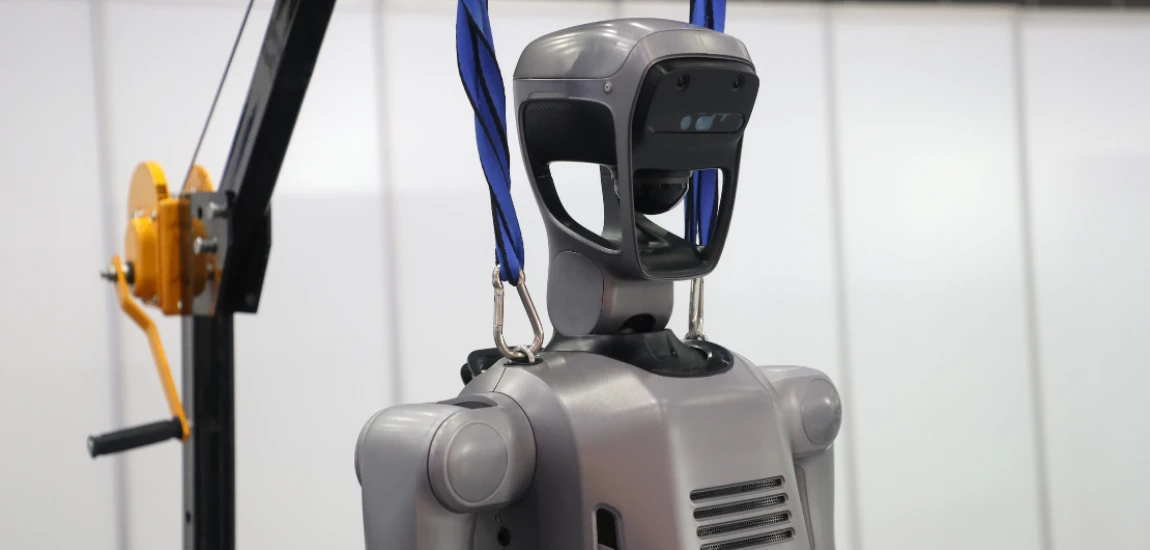
The next generation of robotics is moving beyond isolated intelligent machines toward highly coordinated robotic ecosystems capable of working together as unified entities. Inspired by the collective behavior observed in nature—such as ant colonies, bee swarms, bird flocks, and fish schools—autonomous swarm robotics systems are redefining how machines interact, collaborate, and solve complex problems. Rather than relying on a single powerful robot, swarm robotics leverages large numbers of relatively simple robots that communicate, coordinate, and adapt to achieve shared objectives.
This emerging field combines artificial intelligence, machine learning, distributed computing, sensor networks, edge computing, and autonomous decision-making to create collective machine intelligence coordination frameworks. These systems allow robotic swarms to function efficiently without centralized control, making them highly resilient, scalable, and adaptable. Individual robots can independently assess situations while contributing to group objectives through real-time information sharing and coordinated behavior.
Autonomous swarm robotics has the potential to revolutionize industries ranging from logistics and manufacturing to agriculture, healthcare, disaster response, environmental monitoring, and space exploration. By distributing tasks among multiple autonomous agents, swarm systems can operate in dynamic environments, recover from failures, and complete missions more efficiently than traditional robotic solutions.
As advancements in AI, robotics hardware, and communication technologies continue to accelerate, autonomous swarm robotics systems are becoming a cornerstone of future intelligent automation strategies and collective machine intelligence architectures.
Understanding Autonomous Swarm Robotics Systems

The Foundations of Swarm Intelligence
Autonomous swarm robotics systems are based on the concept of swarm intelligence, a decentralized form of collective behavior observed in biological systems. In nature, groups of simple organisms achieve complex objectives through local interactions rather than centralized leadership.
Researchers have adapted these principles to robotics by designing machines that follow simple rules while interacting with neighboring robots. Through these interactions, sophisticated group behaviors emerge naturally, allowing swarms to perform tasks efficiently and adaptively.
Unlike traditional robotic systems that rely heavily on centralized control mechanisms, swarm robotics emphasizes distributed decision-making and self-organization. This approach increases flexibility while reducing single points of failure.
Characteristics of Swarm-Based Robotic Networks
Several characteristics distinguish swarm robotics from conventional robotic systems. Scalability allows additional robots to join a swarm without requiring major modifications to system architecture. Robustness ensures that the overall mission can continue even if individual robots fail.
Flexibility enables swarm systems to adapt quickly to changing environmental conditions. Decentralization reduces communication bottlenecks and improves operational efficiency.
These characteristics make swarm robotics particularly effective for large-scale and dynamic applications where centralized control would be impractical or inefficient.
Evolution of Collective Machine Intelligence
The concept of collective machine intelligence extends beyond simple coordination. Modern swarm systems increasingly incorporate artificial intelligence algorithms that enhance learning, adaptation, and decision-making capabilities.
Machine learning enables robots to refine behaviors based on experience, while distributed intelligence frameworks allow groups to solve problems collaboratively. This evolution is transforming robotic swarms into sophisticated autonomous ecosystems capable of tackling increasingly complex challenges.
As computational power and communication technologies improve, collective machine intelligence continues to become more advanced and capable.
Core Technologies Powering Swarm Robotics

Artificial Intelligence and Machine Learning
Artificial intelligence serves as the cognitive foundation of autonomous swarm robotics systems. AI algorithms enable robots to interpret sensory data, recognize patterns, make decisions, and coordinate actions with other members of the swarm.
Machine learning allows robots to improve performance through continuous experience. By analyzing operational outcomes, swarm systems can optimize behaviors and adapt to new environments.
These capabilities enhance efficiency while supporting greater autonomy across a wide range of applications.
Distributed Communication Networks
Effective communication is essential for successful swarm coordination. Autonomous robots rely on wireless communication technologies to exchange information regarding location, task status, environmental conditions, and system health.
Distributed communication networks eliminate the need for centralized command structures. Instead, robots share information locally, allowing the swarm to maintain coordination even when communication infrastructure is limited.
Advanced networking protocols improve reliability, scalability, and operational resilience.
Sensor Fusion and Environmental Awareness
Modern swarm robots utilize multiple sensors to perceive their surroundings accurately. Cameras, LiDAR systems, radar sensors, GPS technologies, thermal imaging devices, and environmental monitors provide critical situational awareness.
Sensor fusion combines data from multiple sources to generate comprehensive environmental models. This information enables robots to navigate effectively, avoid obstacles, and coordinate actions with other swarm members.
Enhanced environmental awareness significantly improves operational performance and safety.
Collective Intelligence Coordination Frameworks

Decentralized Decision-Making Models
One of the defining features of swarm robotics is decentralized decision-making. Rather than relying on a central controller, individual robots make local decisions based on available information and predefined behavioral rules.
This approach improves adaptability and reduces system vulnerabilities. Even if communication with certain swarm members is disrupted, the overall system can continue functioning effectively.
Decentralized frameworks support greater resilience in unpredictable environments.
Task Allocation and Resource Optimization
Efficient task distribution is critical for swarm performance. Collective machine intelligence frameworks use dynamic allocation algorithms to assign responsibilities based on robot capabilities, location, and operational priorities.
These algorithms optimize resource utilization while minimizing redundancy and inefficiency. Swarm members continuously adjust their roles as conditions change.
Dynamic task allocation enables rapid responses to evolving mission requirements.
Emergent Behavior and Adaptive Coordination
Emergent behavior occurs when simple local interactions produce complex group-level outcomes. In swarm robotics, robots do not necessarily require detailed instructions for every scenario.
Instead, coordination frameworks allow desired behaviors to emerge naturally from interactions among swarm members. Adaptive coordination mechanisms enable swarms to reorganize themselves in response to environmental changes and operational challenges.
This flexibility enhances effectiveness across diverse application domains.
Industrial Applications of Autonomous Swarm Robotics

Smart Manufacturing and Production Systems
Manufacturing environments increasingly rely on automation to improve productivity and efficiency. Swarm robotics enables groups of autonomous machines to collaborate on assembly, inspection, material handling, and quality control tasks.
Distributed robotic systems can adapt to changing production requirements while maintaining operational continuity. This flexibility supports agile manufacturing strategies and customized production processes.
Swarm-based automation contributes to higher productivity and reduced operational costs.
Logistics and Warehouse Automation
Modern logistics operations require rapid and accurate movement of goods. Autonomous swarm robots can coordinate inventory management, package sorting, transportation, and fulfillment activities.
Collective intelligence frameworks optimize routing and workload distribution, improving efficiency while reducing delays. Swarm systems can scale easily to accommodate fluctuations in demand.
These capabilities are transforming supply chain management and warehouse operations.
Precision Agriculture and Environmental Monitoring
Agricultural operations benefit significantly from swarm robotics technologies. Coordinated fleets of drones and ground-based robots can monitor crop health, manage irrigation, apply treatments, and collect environmental data.
Swarm systems enable large-scale coverage while maintaining detailed observation capabilities. Farmers gain valuable insights that support precision agriculture practices and sustainable resource management.
Environmental monitoring applications also benefit from distributed robotic sensing networks.


Anil Polat, behind the blog "FoxNomad," combines technology and travel. A computer security engineer by profession, he focuses on the tech aspects of travel.
Anil Polat

Prev Post

Next Post