
Autonomous Carbon Capture Technologies and Intelligent Climate Sustainability Systems
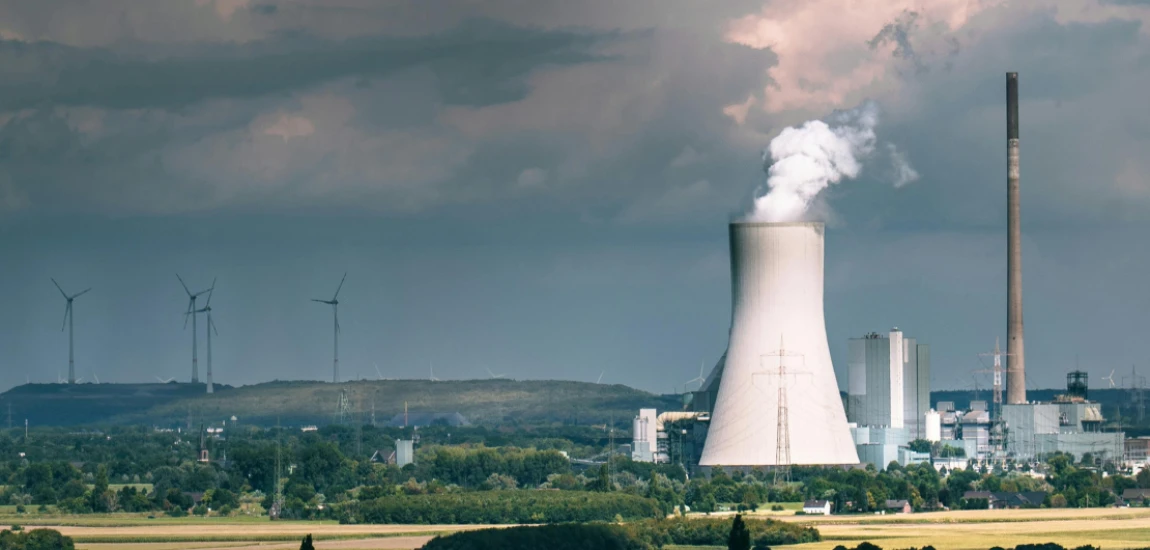
Climate change remains one of the most pressing global challenges of the 21st century. Rising greenhouse gas emissions, increasing global temperatures, extreme weather events, and environmental degradation are placing unprecedented pressure on ecosystems, economies, and societies worldwide. While renewable energy adoption and emission reduction strategies are essential, scientists and policymakers increasingly recognize that reducing emissions alone may not be sufficient to meet long-term climate goals. This reality has accelerated interest in carbon capture technologies and intelligent sustainability systems capable of actively removing carbon dioxide from the atmosphere.
Autonomous carbon capture technologies represent a new generation of environmental innovation that combines artificial intelligence, robotics, advanced materials science, machine learning, automation, and environmental monitoring systems. These technologies are designed to capture, process, store, or reuse carbon emissions with minimal human intervention. Unlike traditional carbon management methods, autonomous systems continuously optimize their performance using real-time environmental data and predictive analytics.
At the same time, intelligent climate sustainability systems integrate carbon capture infrastructure with broader environmental management networks. These systems monitor ecosystems, optimize energy usage, predict climate trends, and coordinate sustainability initiatives across industries and regions. Together, autonomous carbon capture technologies and intelligent climate systems are creating powerful tools for addressing climate challenges while supporting sustainable economic growth.
As global efforts intensify to achieve net-zero emissions and environmental resilience, these technologies are expected to play a critical role in shaping the future of climate sustainability.
Understanding Autonomous Carbon Capture Technologies

The Evolution of Carbon Capture Solutions
Carbon capture technologies have evolved significantly over the past several decades. Early systems primarily focused on capturing carbon dioxide emissions from industrial facilities and power plants before they entered the atmosphere.
Modern autonomous carbon capture technologies go beyond conventional approaches by integrating artificial intelligence, sensor networks, and automated optimization systems. These advancements enable more efficient carbon removal processes and lower operational costs.
The shift toward autonomy allows systems to continuously adapt to changing environmental conditions and improve performance over time.
How Autonomous Carbon Capture Systems Work
Autonomous carbon capture systems use advanced sensors, machine learning algorithms, and automated control mechanisms to identify, capture, and process carbon dioxide.
These systems continuously monitor air quality, atmospheric conditions, energy consumption, and operational performance. AI algorithms analyze this data to optimize carbon capture efficiency and resource utilization.
Automation reduces the need for manual oversight while increasing the scalability and reliability of carbon removal operations.
Key Technologies Driving Innovation
Several emerging technologies are accelerating the development of autonomous carbon capture solutions. Advanced sorbent materials improve carbon absorption capabilities, while robotic maintenance systems enhance operational efficiency.
Artificial intelligence enables predictive maintenance, process optimization, and environmental forecasting. Edge computing and IoT connectivity support real-time monitoring and decision-making.
Together, these technologies create intelligent carbon management platforms capable of operating at large scales.
Direct Air Capture and Intelligent Carbon Removal Systems

Capturing Carbon Directly from the Atmosphere
Direct Air Capture (DAC) is one of the most promising carbon removal technologies. DAC systems extract carbon dioxide directly from ambient air using specialized chemical or physical processes.
Unlike industrial carbon capture systems that target concentrated emission sources, DAC can remove atmospheric carbon regardless of its origin. This flexibility makes it an important tool for addressing legacy emissions.
Autonomous DAC facilities use AI-driven controls to maximize efficiency while minimizing energy consumption.
AI-Driven Optimization of Carbon Removal
Artificial intelligence enhances carbon removal operations by continuously analyzing performance data and environmental conditions.
Machine learning algorithms identify opportunities to improve capture rates, reduce operational costs, and optimize resource allocation. These systems adapt to changing weather patterns and energy availability.
AI-driven optimization improves the economic viability of large-scale carbon removal projects.
Scaling Atmospheric Carbon Management
To achieve meaningful climate impact, carbon removal technologies must operate at significant scale. Autonomous systems support scalability through automation, remote management, and predictive analytics.
Distributed networks of carbon capture facilities can function collaboratively while sharing operational insights. This networked approach increases efficiency and accelerates deployment.
Scalable carbon management solutions are essential for supporting global climate goals.
Intelligent Climate Sustainability Systems

Integrated Environmental Monitoring Networks
Intelligent climate sustainability systems combine carbon capture technologies with environmental monitoring infrastructure.
Sensor networks collect data related to air quality, temperature, biodiversity, soil conditions, and ecosystem health. AI platforms analyze this information to generate actionable insights and sustainability recommendations.
Integrated monitoring improves environmental awareness and supports evidence-based decision-making.
Predictive Climate Analytics
Predictive analytics enables sustainability systems to anticipate environmental changes and optimize responses.
Machine learning models analyze historical and real-time data to forecast emissions trends, climate impacts, and ecosystem dynamics. These forecasts help organizations develop proactive sustainability strategies.
Predictive capabilities strengthen long-term climate resilience and planning efforts.
Coordinated Sustainability Management
Intelligent systems coordinate sustainability initiatives across multiple sectors and stakeholders. Energy providers, industries, governments, and environmental organizations can collaborate through shared digital platforms.
AI-driven coordination improves resource allocation, emissions reduction efforts, and environmental restoration activities.
Collaborative sustainability management enhances overall effectiveness and impact.
Applications Across Industries and Ecosystems

Industrial Emissions Management
Heavy industries such as manufacturing, cement production, steelmaking, and chemical processing contribute significantly to global carbon emissions.
Autonomous carbon capture technologies help these sectors reduce environmental impacts while maintaining productivity. AI systems optimize capture processes and identify efficiency improvements.
Industrial applications are critical for achieving large-scale emissions reductions.
Sustainable Agriculture and Land Management
Agriculture plays an important role in climate sustainability through carbon sequestration and ecosystem management.
Intelligent sustainability systems monitor soil health, optimize resource use, and support regenerative farming practices. Carbon capture technologies can complement these efforts by addressing emissions from agricultural activities.
Integrated approaches promote both productivity and environmental stewardship.
Urban Sustainability and Smart Cities
Cities generate substantial emissions while consuming large amounts of energy and resources.
Smart city platforms use AI-driven sustainability systems to monitor environmental conditions, manage energy consumption, and coordinate carbon reduction initiatives. Carbon capture infrastructure can further enhance urban climate resilience.
Urban sustainability strategies contribute significantly to national and global climate objectives.


Shivya Nath authors "The Shooting Star," a blog that covers responsible and off-the-beaten-path travel. She writes about sustainable tourism and community-based experiences.
Shivya Nath

Prev Post

Next Post