
Neuromorphic Brain Emulation Systems and Digital Mind Preservation Frameworks
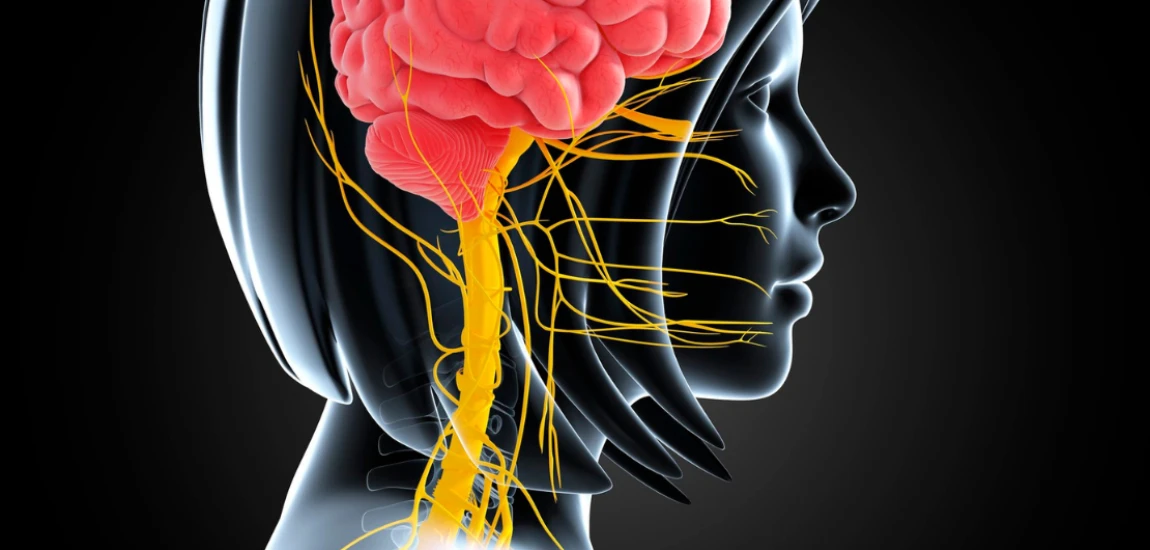
The rapid evolution of artificial intelligence, neuroscience, and computational engineering is pushing humanity toward technologies once considered purely science fiction. Among the most fascinating developments are neuromorphic brain emulation systems and digital mind preservation frameworks. These advanced technologies aim to simulate human cognitive functions, replicate neural behavior, and potentially preserve aspects of human consciousness within digital environments.
Neuromorphic computing systems are inspired directly by the structure and operation of the human brain. Unlike conventional computers that process information sequentially, neuromorphic architectures mimic biological neural networks using interconnected artificial neurons and synapses. This allows machines to process information more efficiently, adapt dynamically, and perform cognitive tasks with lower energy consumption.
Digital mind preservation frameworks extend this concept further by exploring methods to store, replicate, and potentially preserve human memories, behaviors, and cognitive patterns digitally. Scientists envision future systems capable of mapping neural activity at extraordinary levels of detail, enabling advanced cognitive simulations and personalized AI representations.
As research continues advancing, these technologies could revolutionize healthcare, robotics, neuroscience, education, and human–machine interaction while also raising profound ethical and philosophical questions about identity, consciousness, and the future of humanity.
Understanding Neuromorphic Brain Emulation Systems

The Science Behind Neuromorphic Computing
Neuromorphic computing is based on the idea of designing computer systems that function similarly to biological brains. Traditional computers rely on separate processing and memory units, creating limitations in efficiency and adaptability. Neuromorphic systems integrate computation and memory together, allowing information to flow more naturally like neural signals in the human brain.
Artificial neurons and synapses form the foundation of these architectures. These components communicate through electrical impulses that resemble biological neural activity. AI-driven learning algorithms continuously strengthen or weaken digital synaptic connections based on experience and environmental input.
This approach enables neuromorphic systems to process sensory information, recognize patterns, and learn from interactions more efficiently than many traditional computing systems.
Brain Emulation and Cognitive Simulation
Brain emulation involves creating computational models capable of replicating neural activity and cognitive processes. Scientists use advanced brain imaging technologies, neural mapping systems, and machine learning algorithms to study how biological brains function.
Cognitive simulation frameworks attempt to reproduce processes such as memory formation, emotional response, decision-making, and perception within digital systems. These simulations may eventually enable highly realistic AI personalities and adaptive cognitive agents.
Neuromorphic brain emulation systems could also improve understanding of neurological disorders by allowing researchers to study simulated neural dysfunctions in controlled environments.
How AI Supports Neural Emulation
Artificial intelligence plays a critical role in enabling large-scale brain emulation systems. AI models process enormous amounts of neural data collected through brain scans, electrophysiological recordings, and behavioral analysis.
Machine learning algorithms identify patterns in neural activity and help create more accurate digital representations of cognitive functions. Deep learning systems continuously refine brain models by comparing simulated responses with biological neural behavior.
This integration of AI and neuroscience is accelerating progress toward more advanced cognitive simulation technologies.
Digital Mind Preservation Frameworks and Their Technologies

Neural Mapping and Brain Scanning Technologies
Digital mind preservation begins with detailed neural mapping. Scientists use advanced imaging technologies such as high-resolution MRI systems, neural probes, and brain-computer interfaces to study the structure and activity of neural networks.
These tools capture information about synaptic connections, neural pathways, and electrical activity patterns. AI-driven data analysis systems organize this information into digital models capable of representing cognitive processes.
Future brain scanning technologies may eventually map neural structures at atomic or molecular levels, improving the accuracy of digital cognitive preservation systems.
Memory Encoding and Cognitive Storage
One of the most complex aspects of digital mind preservation is storing memories and cognitive patterns in digital form. Researchers are exploring methods for encoding neural information into computational architectures that can preserve behavioral traits and mental experiences.
AI-powered storage frameworks may eventually simulate long-term memory functions and emotional associations within digital systems. These technologies could allow cognitive data to remain accessible even after biological neural activity ceases.
Although true consciousness preservation remains theoretical, cognitive storage systems may enable highly sophisticated digital personality models in the future.
Cloud-Based Cognitive Frameworks
Future digital mind preservation systems may operate using distributed cloud infrastructures capable of storing and processing vast amounts of neural data.
Cloud-based cognitive architectures could support interactive AI avatars, virtual memory archives, and intelligent digital assistants modeled after individual cognitive patterns. These systems may continuously evolve through machine learning updates and behavioral interactions.
Such frameworks could fundamentally transform communication, education, healthcare, and digital identity management.
Applications of Neuromorphic Brain Emulation Systems

Healthcare and Neurological Research
Neuromorphic computing systems have enormous potential in healthcare and neuroscience. AI-driven brain emulation frameworks can help researchers study neurological disorders such as Alzheimer’s disease, Parkinson’s disease, epilepsy, and traumatic brain injuries more effectively.
Simulated neural environments allow scientists to test treatments and analyze disease progression without invasive experimentation. Neuromorphic prosthetics and brain-computer interfaces may also help restore cognitive or motor functions in patients with neurological impairments.
AI-powered neural systems could improve mental health diagnostics and support personalized treatment strategies based on individual brain activity patterns.
Advanced Robotics and Human–Machine Interaction
Neuromorphic architectures are transforming robotics by enabling machines to process sensory information more naturally and respond adaptively to changing environments.
Robots equipped with neuromorphic processors can recognize speech, interpret emotions, and learn from real-world interactions more efficiently. These systems support more intuitive human–machine communication and improve autonomous decision-making capabilities.
Future intelligent robots may use cognitive emulation systems to demonstrate advanced social interaction and collaborative problem-solving abilities.
Personalized Digital Assistants and Cognitive AI
Digital mind preservation technologies may eventually enable highly personalized AI assistants capable of mimicking human communication styles, preferences, and behaviors.
AI systems modeled after individual cognitive patterns could assist with education, healthcare, professional productivity, and personal organization. These intelligent assistants may learn continuously from user interactions and adapt dynamically over time.
Such technologies could create deeply customized digital experiences unlike anything available today.
Benefits of Digital Mind Preservation Technologies

Enhanced Learning and Cognitive Augmentation
Neuromorphic systems may significantly improve learning efficiency and cognitive enhancement technologies. AI-driven neural architectures can process information rapidly while adapting to individual learning styles.
Educational platforms powered by cognitive simulation may deliver personalized instruction optimized for each learner’s neural processing patterns. Cognitive augmentation systems could also improve memory retention, analytical reasoning, and multitasking capabilities.
These advancements may redefine education and professional training across multiple industries.
Energy-Efficient Artificial Intelligence
Neuromorphic computing systems are designed to mimic the brain’s highly efficient information processing mechanisms. Biological brains consume remarkably low amounts of energy compared to conventional supercomputers.
By replicating neural efficiency, neuromorphic architectures can reduce power consumption significantly while maintaining advanced computational performance. This energy efficiency is especially important as AI applications continue expanding globally.
Low-power cognitive systems may support portable AI devices, autonomous robotics, and large-scale data processing infrastructures more sustainably.
Long-Term Preservation of Human Knowledge
Digital mind preservation frameworks may eventually contribute to preserving human experiences, expertise, and cultural knowledge for future generations.
Researchers, educators, scientists, and artists could potentially store cognitive insights within interactive digital archives. These preserved cognitive systems may support historical education, scientific collaboration, and advanced AI training.
The preservation of intellectual and creative knowledge could become one of the most transformative aspects of cognitive emulation technologies.


Kate McCulley, the voice behind "Adventurous Kate," provides travel advice tailored for women. Her blog encourages safe and adventurous travel for female readers.
Kate McCulley

Prev Post

Next Post