
AI-Driven Molecular Assembly Systems and Atomic-Scale Manufacturing Architectures
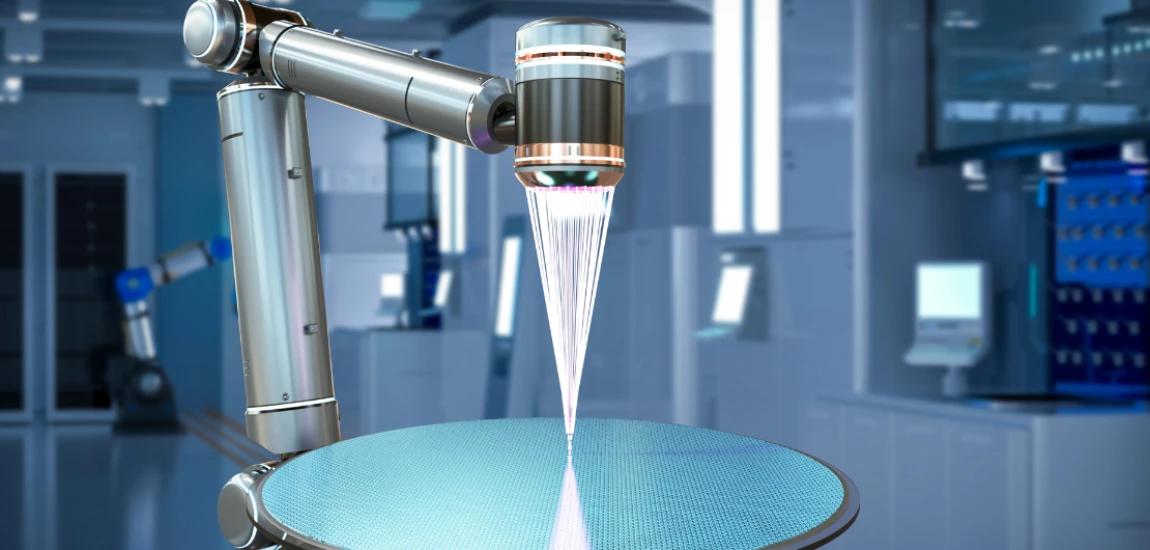
The future of manufacturing is rapidly moving beyond traditional industrial automation toward technologies capable of manipulating matter at the atomic and molecular scale. Scientists, engineers, and AI researchers are developing intelligent systems that can assemble materials atom by atom with extraordinary precision. These innovations are creating a new era of atomic-scale manufacturing architectures powered by artificial intelligence, nanotechnology, robotics, and computational modeling.
AI-driven molecular assembly systems combine machine learning algorithms, molecular engineering, quantum simulations, and nanoscale robotics to design and construct highly complex structures at microscopic levels. Unlike conventional manufacturing methods that rely on cutting, molding, or assembling larger components, molecular assembly technologies directly control the placement of atoms and molecules to create materials with highly optimized properties.
Atomic-scale manufacturing architectures have the potential to revolutionize industries including healthcare, electronics, aerospace, renewable energy, biotechnology, and advanced materials science. These systems could enable the production of ultra-light materials, self-healing structures, molecular electronics, highly efficient batteries, and personalized medical devices with unprecedented efficiency and precision.
As AI continues advancing, intelligent molecular manufacturing systems may redefine industrial production and open entirely new possibilities in scientific innovation and technological development.
Understanding AI-Driven Molecular Assembly Systems

The Foundations of Molecular Manufacturing
Molecular manufacturing refers to the process of constructing products and materials by controlling atoms and molecules directly. Unlike traditional industrial fabrication methods, molecular assembly operates at the nanoscale, allowing engineers to create structures with exceptional precision and efficiency.
AI-driven molecular assembly systems enhance this process by using machine learning models to predict molecular interactions, optimize assembly pathways, and improve material stability. These systems analyze enormous datasets related to chemistry, physics, and nanotechnology to determine the most effective molecular configurations.
The integration of AI into molecular engineering significantly reduces development time while improving manufacturing accuracy. Intelligent assembly systems can identify optimal atomic arrangements that maximize durability, conductivity, flexibility, or energy efficiency depending on the intended application.
Role of Artificial Intelligence in Atomic Engineering
Artificial intelligence plays a central role in enabling atomic-scale manufacturing architectures. AI algorithms simulate molecular behavior, detect structural anomalies, and automate nanoscale construction processes with extraordinary speed.
Machine learning systems continuously improve through exposure to experimental data and molecular simulations. AI can identify patterns in chemical reactions and predict material properties far faster than traditional computational methods.
Deep learning models are especially useful for analyzing highly complex molecular interactions that would otherwise require years of scientific experimentation. This accelerates innovation in advanced materials research and nanotechnology development.
Nanoscale Robotics and Automated Assembly
Molecular assembly systems often rely on nanoscale robotic mechanisms capable of manipulating atoms and molecules directly. These microscopic robotic systems function with extreme precision in controlled manufacturing environments.
AI-powered nanorobots may eventually assemble complex molecular structures autonomously while adapting to environmental conditions in real time. These systems could repair microscopic defects, optimize assembly efficiency, and perform highly specialized construction tasks impossible for conventional machinery.
The combination of AI and nanoscale robotics represents one of the most advanced frontiers in future industrial automation.
Atomic-Scale Manufacturing Architectures and Their Technologies

Quantum Computing in Molecular Simulation
Atomic-scale manufacturing requires highly accurate molecular simulations to predict chemical interactions and material behavior. Quantum computing technologies are becoming increasingly important for handling these computational challenges.
Quantum processors can simulate molecular systems far more efficiently than classical computers because they operate using quantum mechanical principles similar to those governing atomic behavior. This allows researchers to model highly complex materials and chemical reactions with greater accuracy.
AI-enhanced quantum simulations may dramatically improve the speed of material discovery and molecular design, enabling faster development of advanced nanotechnologies.
Self-Assembling Nanomaterials
Self-assembling materials are one of the most promising applications of atomic-scale manufacturing architectures. These materials use programmed molecular interactions to organize themselves into specific structures automatically.
AI systems help design molecular rules that guide self-assembly processes efficiently and accurately. Scientists can create materials that respond dynamically to environmental conditions, repair damage automatically, or change structural properties when needed.
Self-assembling nanomaterials may revolutionize industries such as aerospace engineering, flexible electronics, biomedical implants, and smart infrastructure development.
Smart Molecular Fabrication Systems
Smart molecular fabrication systems integrate AI-driven analytics, robotic automation, nanoscale sensors, and adaptive manufacturing controls into unified production environments.
These intelligent systems continuously monitor molecular assembly processes to ensure structural accuracy and manufacturing consistency. AI can instantly detect microscopic defects and adjust fabrication parameters automatically.
Such adaptive manufacturing frameworks significantly improve production quality while reducing waste, energy consumption, and operational costs.
Applications of AI-Driven Molecular Assembly Systems

Healthcare and Precision Medicine
One of the most transformative applications of molecular assembly technologies is in healthcare and biotechnology. AI-driven nanoscale manufacturing systems can create highly precise medical devices, targeted drug delivery systems, and personalized treatment materials.
Nanorobots may eventually perform microscopic surgical procedures, repair damaged tissues, or deliver medications directly to affected cells. Molecular manufacturing could also enable the creation of artificial organs and highly advanced prosthetics with enhanced biological compatibility.
AI-powered molecular engineering improves the speed and accuracy of pharmaceutical research by optimizing molecular structures for specific therapeutic outcomes.
Advanced Electronics and Quantum Devices
Atomic-scale manufacturing architectures are transforming the electronics industry by enabling the creation of smaller, faster, and more energy-efficient devices.
AI-driven molecular assembly systems can construct nanoscale transistors, quantum processors, flexible electronic circuits, and advanced semiconductor materials with exceptional precision. This supports the development of next-generation computing technologies and ultra-compact electronic devices.
Future molecular electronics may dramatically increase computational performance while reducing energy consumption and physical hardware limitations.
Renewable Energy and Environmental Technologies
Molecular manufacturing systems can significantly improve renewable energy technologies by creating highly efficient solar cells, batteries, and energy storage materials.
AI-optimized molecular structures may enhance conductivity, durability, and energy conversion efficiency in clean energy infrastructures. Nanotechnology-based filtration systems could also improve water purification and pollution control technologies.
These innovations may play a critical role in supporting global sustainability efforts and reducing environmental impact.
Benefits of Atomic-Scale Manufacturing Architectures

Extreme Precision and Material Efficiency
Atomic-scale manufacturing allows engineers to place atoms exactly where needed, reducing waste and maximizing structural efficiency. This precision enables the creation of materials with highly optimized mechanical, electrical, and thermal properties.
AI-driven optimization systems improve assembly accuracy by continuously analyzing molecular interactions during fabrication processes. The result is higher-quality products with fewer structural defects and greater long-term reliability.
This level of precision is especially valuable in industries requiring advanced performance standards such as aerospace, medicine, and quantum computing.
Faster Innovation and Product Development
Traditional material research and product development often require years of experimentation and testing. AI-driven molecular assembly systems accelerate this process by using predictive analytics and automated simulations.
Researchers can rapidly test thousands of molecular configurations digitally before physical manufacturing begins. This significantly reduces development costs and shortens innovation cycles.
Faster prototyping capabilities may lead to rapid breakthroughs across multiple scientific and industrial sectors.
Sustainable and Low-Waste Manufacturing
Conventional industrial production generates large amounts of material waste and environmental pollution. Molecular assembly systems improve sustainability by constructing products with minimal excess material usage.
AI-powered manufacturing frameworks also optimize energy consumption and reduce the need for environmentally harmful industrial processes. Self-healing materials and durable nanostructures may further extend product lifespans, reducing overall resource consumption.
These sustainable manufacturing benefits are becoming increasingly important as industries seek environmentally responsible production methods.


Anil Polat, behind the blog "FoxNomad," combines technology and travel. A computer security engineer by profession, he focuses on the tech aspects of travel.
Anil Polat

Prev Post

Next Post