
Cognitive Wildlife Conservation Systems and Intelligent Biodiversity Protection Networks
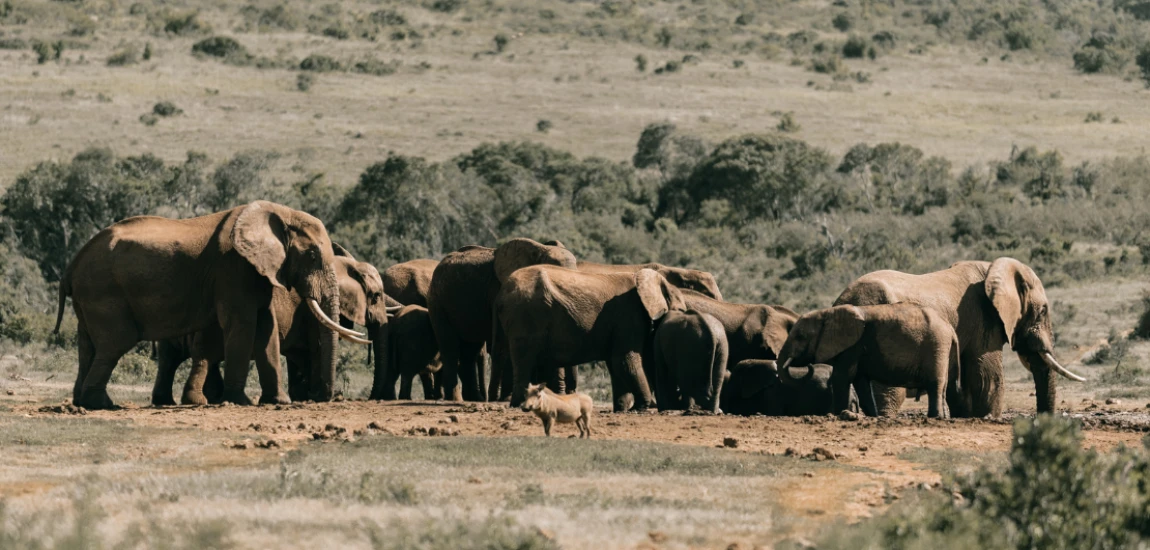
Wildlife populations across the globe are declining at an alarming rate due to habitat destruction, climate change, poaching, pollution, and unsustainable human activities. Traditional conservation methods, while valuable, often rely on manual observation, limited field surveys, and delayed reporting systems that cannot keep pace with rapidly changing ecological conditions. As ecosystems become more fragile, there is a growing need for advanced technological solutions that can monitor, predict, and protect biodiversity in real time.
Cognitive wildlife conservation systems represent a new frontier in environmental protection. These systems combine artificial intelligence, machine learning, satellite tracking, sensor networks, drone surveillance, and ecological modeling to create intelligent conservation ecosystems capable of understanding and responding to environmental changes automatically. Unlike traditional approaches, these systems do not simply record data—they interpret, analyze, and act upon it.
Intelligent biodiversity protection networks extend this concept further by connecting multiple conservation technologies into a unified global system. These networks allow real-time communication between protected areas, wildlife reserves, research institutions, and environmental agencies. AI-driven platforms continuously analyze ecosystem health, detect threats such as illegal poaching or habitat degradation, and recommend or execute protective actions.
Together, these technologies represent a transformative shift in conservation strategy—from reactive protection to proactive, predictive, and intelligent ecosystem management.
Understanding Cognitive Wildlife Conservation Systems

The Foundation of AI-Driven Conservation Intelligence
Cognitive wildlife conservation systems are built on advanced artificial intelligence models designed to mimic human-like perception and decision-making in ecological environments. These systems gather data from multiple sources including camera traps, satellite imagery, GPS collars, acoustic sensors, drones, and environmental IoT devices.
Machine learning algorithms analyze this data to identify wildlife species, track migration patterns, monitor population changes, and detect abnormal ecological behavior. Over time, these systems become increasingly accurate as they learn from historical environmental data and continuously updated field inputs.
Unlike traditional conservation methods that depend heavily on human observation, cognitive systems operate autonomously, enabling continuous monitoring of vast and remote ecosystems. This significantly improves response time when threats such as poaching or habitat destruction are detected.
Real-Time Wildlife Monitoring and Behavior Analysis
One of the most powerful capabilities of cognitive conservation systems is real-time wildlife monitoring. AI-powered camera traps and drones can identify individual animals using computer vision and pattern recognition technologies.
These systems analyze animal behavior, movement patterns, feeding habits, and social interactions to assess ecosystem health. For example, unusual migration behavior may indicate environmental stress, while declining population density may signal habitat degradation.
Acoustic monitoring systems can also detect animal sounds, such as bird calls or predator activity, helping researchers understand biodiversity distribution without physical intrusion into sensitive habitats.
This real-time behavioral intelligence allows conservationists to intervene earlier and more effectively when ecosystems show signs of imbalance.
Evolution from Traditional Conservation Methods
Traditional wildlife conservation often relies on periodic field surveys and manual tracking, which can be time-consuming, expensive, and limited in scope. Cognitive systems represent a major evolution toward continuous, automated ecological intelligence.
Instead of isolated data collection, AI integrates multiple data streams into a unified ecological model that updates constantly. This enables conservation teams to move from reactive intervention to predictive ecosystem management.
Over time, this shift allows for more efficient use of resources, improved conservation planning, and better protection of endangered species.
Intelligent Biodiversity Protection Networks

Building Interconnected Conservation Ecosystems
Intelligent biodiversity protection networks connect multiple conservation systems into a unified global framework. These networks link wildlife reserves, marine ecosystems, forests, national parks, and research institutions through AI-powered communication platforms.
Each node in the network shares real-time environmental data, creating a synchronized understanding of global biodiversity conditions. This interconnected structure enables faster identification of ecological threats and coordinated conservation responses.
For example, if illegal logging is detected in one region, the system can automatically alert nearby protected areas and deploy surveillance drones or conservation teams.
AI-Powered Threat Detection and Prevention
One of the key features of biodiversity protection networks is intelligent threat detection. AI algorithms analyze patterns from satellite imagery, motion sensors, and acoustic data to detect illegal activities such as poaching, deforestation, and fishing violations.
Machine learning models can distinguish between natural environmental changes and human-induced threats with high accuracy. When suspicious activity is detected, automated systems generate alerts and recommend immediate action.
Some advanced systems may even deploy autonomous drones or robotic monitoring units to investigate threats in real time, significantly improving response efficiency.
Global Data Integration for Ecosystem Intelligence
Biodiversity protection networks rely heavily on global data integration. Information from climate systems, ocean monitoring platforms, forest surveillance networks, and agricultural databases is combined to create a comprehensive view of planetary biodiversity.
AI systems analyze this data to identify ecological trends, such as species decline, habitat fragmentation, and climate-induced migration changes. This enables researchers to understand large-scale biodiversity shifts that would be impossible to detect using traditional methods alone.
Such integration is essential for global conservation planning and international environmental cooperation.
Role of Artificial Intelligence in Wildlife Conservation

Machine Learning for Species Identification
Artificial intelligence plays a central role in identifying and classifying wildlife species. Computer vision models trained on millions of images can accurately recognize animals, even in low-light or partially obstructed environments.
This capability allows automated tracking of endangered species without disturbing their natural habitats. AI systems can also identify individual animals based on unique physical characteristics, enabling precise population monitoring.
Over time, machine learning improves accuracy by learning from new data collected in the field.
Predictive Ecology and Environmental Forecasting
AI systems are not limited to observation—they also predict future ecological changes. Predictive models analyze climate data, vegetation patterns, and animal behavior to forecast environmental outcomes.
For example, AI can predict potential habitat loss due to climate change or identify regions at high risk of biodiversity collapse. These insights allow conservationists to take preventive action before irreversible damage occurs.
Predictive ecology represents a major shift from reactive conservation to proactive ecosystem protection.
Autonomous Decision Support Systems
Advanced cognitive conservation platforms include decision support systems capable of recommending or executing conservation actions autonomously. These systems analyze threats and suggest optimal responses such as deploying patrol units, activating surveillance systems, or initiating habitat restoration efforts.
In some cases, AI may directly control autonomous drones or robotic systems for monitoring and protection tasks, reducing human risk in dangerous environments.
Applications of Cognitive Conservation Systems

Forest and Wildlife Reserve Protection
Cognitive systems are widely used in forest conservation to monitor illegal logging, track wildlife populations, and assess ecosystem health. AI-powered drones and satellite systems provide continuous surveillance of protected areas.
These technologies help authorities detect environmental violations faster and enforce conservation laws more effectively.
Marine and Ocean Biodiversity Monitoring
Intelligent biodiversity networks are also being applied to marine ecosystems. Underwater sensors, autonomous submarines, and acoustic monitoring systems track marine life, coral reef health, and illegal fishing activities.
AI systems analyze ocean temperature, pollution levels, and species distribution to understand marine ecosystem dynamics and predict environmental risks.
Climate Change and Ecosystem Restoration
Cognitive conservation systems support global climate initiatives by monitoring carbon sinks, forest regeneration, and ecosystem restoration projects.
AI models help identify areas where reforestation or habitat restoration will have the greatest environmental impact. This ensures efficient allocation of conservation resources.


Derek Baron, also known as "Wandering Earl," offers an authentic look at long-term travel. His blog contains travel stories, tips, and the realities of a nomadic lifestyle.
Derek Baron

Prev Post

Next Post