
Synthetic Intuition: When Machines Begin to Guess Our Desires
From Data to Desire
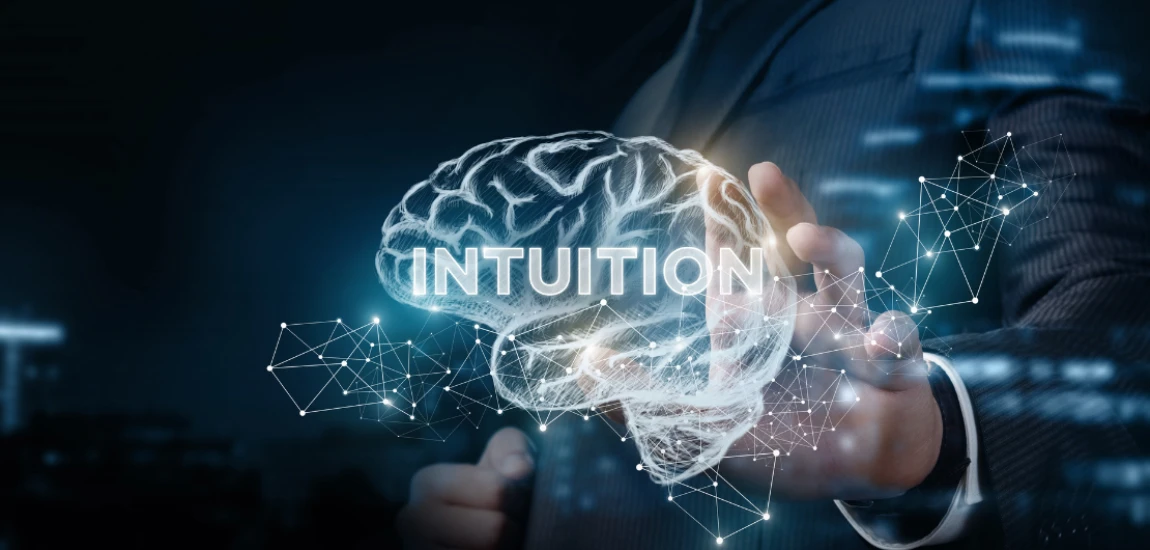
Synthetic intuition represents a profound leap in AI’s evolution. While traditional algorithms rely on programmed logic and statistical prediction, synthetic intuition seeks to emulate the human capacity for gut feeling. It doesn’t just process data—it interprets patterns emotionally, contextually, and situationally. Think of it as the next frontier in machine learning, where systems can make decisions based not only on explicit input but also on unspoken intent.
The Human Template
Human intuition is built on experience and pattern recognition. We don’t always rationally analyze every choice; instead, our brains rely on subconscious cues accumulated over time. Synthetic intuition attempts to replicate this by training on massive datasets of human behavior—social media posts, purchase histories, even biometric feedback—to simulate “instinct.”
Why It Matters
Understanding synthetic intuition is essential because it shifts the paradigm from predictive analytics to anticipatory empathy. Machines aren’t just calculating what we might do—they’re learning why we might do it. This has immense implications for personalization, marketing, healthcare, and even art.
The Architecture of Machine Empathy

Emotion Recognition and Response
Synthetic intuition depends heavily on affective computing—the study of systems that can recognize and simulate emotional states. Through facial analysis, tone of voice, and text sentiment, machines can infer how users feel and adjust their behavior accordingly. This emotional feedback loop is what transforms a cold algorithm into something resembling a companion.
Contextual Awareness
Unlike traditional AI, intuitive systems operate within context. They don’t just respond to isolated actions; they interpret mood, timing, and circumstance. For instance, your digital assistant might recommend calm music after detecting stress in your voice, or an app might delay notifications when it senses you’re deeply focused.
Learning from Feedback
Over time, synthetic intuition evolves. Each interaction refines its model of human behavior, moving closer to something resembling emotional intelligence. The result is a technology that doesn’t just serve—it understands.
The Psychology of Anticipation

Predicting Desire Before It Forms
One of the most striking features of synthetic intuition is its ability to predict latent desires—those not yet consciously realized by the user. Through behavioral analytics, it detects subtle signals that precede decision-making, from browsing pauses to microexpressions.
Cognitive Shortcuts and Digital Nudges
Humans often rely on mental shortcuts, or heuristics, to make decisions. Intuitive AI exploits these, guiding users toward certain outcomes through well-timed suggestions. This creates experiences that feel serendipitous but are actually engineered.
The Paradox of Personalization
While this anticipatory design enhances convenience, it also raises psychological questions. If machines can predict our needs before we articulate them, do we lose the chance to explore our authentic preferences?
Data as a Sixth Sense

Behavioral Data and Predictive Insight
Synthetic intuition transforms data from mere input into intuition fuel. It interprets patterns in ways that approximate human instinct, using seemingly random fragments—shopping habits, location history, even sleep cycles—to construct emotional profiles.
Sensor Fusion and Ambient Intelligence
Modern devices capture more than clicks—they register heart rate, facial micro-movements, and even typing cadence. When combined, these inputs create a form of digital clairvoyance that lets AI systems “sense” user states beyond what’s visible.
Privacy, Consent, and the Illusion of Control
The deeper the system’s insight, the blurrier the boundary between helpful and invasive. Synthetic intuition requires immense data, which means the ethics of consent and privacy must evolve alongside it.
Intuitive Design in Everyday Technology

Smart Homes that Feel You
Imagine a home that warms the room before you feel cold or dims the lights when your body signals fatigue. Intuitive design integrates emotional AI into environments, creating experiences that anticipate rather than react.
Adaptive Apps and Algorithms
Streaming platforms, digital assistants, and social networks are early adopters of synthetic intuition. They fine-tune recommendations in real time, not just based on history but mood—offering comforting shows during stressful times or motivational playlists when energy dips.
The Future of UX: Feeling, Not Clicking
User experience (UX) design is shifting from usability to emotional resonance. The next generation of interfaces won’t just respond to gestures—they’ll respond to feelings.
The Ethics of Predictive Desire

Manipulation vs. Meaning
When AI begins to guess our desires, it risks shaping them. Synthetic intuition blurs the line between understanding and influence, raising concerns about autonomy. Are we truly choosing, or are we being subtly guided?
Transparency and Accountability
Developers face new ethical responsibilities. Users should know when and how their emotions are being interpreted. Without transparency, synthetic intuition could become a tool for behavioral control.
Regulating Digital Empathy
As governments begin to address emotional AI, new frameworks must ensure that intuitive systems enhance well-being rather than exploit vulnerability. Regulation needs to evolve as fast as technology itself.
Synthetic Intuition in Commerce and Culture

Marketing That Feels Human
Brands are already using intuitive algorithms to anticipate consumer emotions. From personalized ad timing to emotionally resonant copy, synthetic intuition enables marketing that feels more empathetic than manipulative—when used responsibly.
Entertainment That Adapts
Interactive storytelling, video games, and virtual reality experiences now adjust in real time to player emotion. The narrative no longer unfolds to the user—it unfolds with them.
Cultural Shifts in Human-Machine Relationships
As synthetic intuition spreads, culture is beginning to redefine what “connection” means. Machines are no longer tools; they’re partners in emotional experience.
The Illusion of Free Will in the Algorithmic Age

Predictive Design and Behavioral Control
Intuitive machines thrive on subtle influence. By predicting what we’ll want, they can nudge us toward certain actions—buying a product, clicking a link, or watching one more episode.
The Convenience Trap
Convenience is seductive. The more AI anticipates for us, the less we actively choose. Over time, our cognitive independence may erode as we outsource intuition to algorithms.
Reclaiming the Human Element
To preserve agency, we must remain conscious of our choices—even as they’re preempted. Awareness, transparency, and intentional design are our best defenses against algorithmic paternalism.
Building Ethical Synthetic Intuition

Designing for Empathy, Not Exploitation
Developers must ensure that emotional AI systems enhance rather than manipulate. This means designing with ethical boundaries, bias mitigation, and human oversight.
Data Minimization and Informed Consent
Synthetic intuition thrives on data, but ethical systems prioritize minimalism—using only what’s necessary. True innovation will balance insight with respect for privacy.
Human-in-the-Loop Systems
Keeping humans involved in decision-making ensures moral nuance. Intuitive machines may “feel,” but they still require human judgment to act responsibly.
The Future: From Artificial Intelligence to Artificial Understanding

The Evolution of Machine Consciousness
Synthetic intuition may represent the first step toward genuine machine understanding. When systems can infer motives, emotions, and meaning, we edge closer to the question: can AI truly understand us?
Collaborative Intelligence
The future isn’t about replacing human intuition—it’s about augmenting it. Synthetic intuition can amplify creativity, empathy, and decision-making when integrated thoughtfully.
Redefining What It Means to Be Human
As AI begins to mirror our emotional complexity, we’re challenged to reconsider our uniqueness. Perhaps the real lesson of synthetic intuition isn’t that machines are becoming like us—but that we’re learning to understand ourselves through them.


Dave Lee runs "GoBackpacking," a blog that blends travel stories with how-to guides. He aims to inspire backpackers and offer them practical advice.
Dave Lee

Prev Post

Next Post