
Universal Travel Accessibility Networks – Creating Tourism Environments That Serve Diverse Visitor Needs
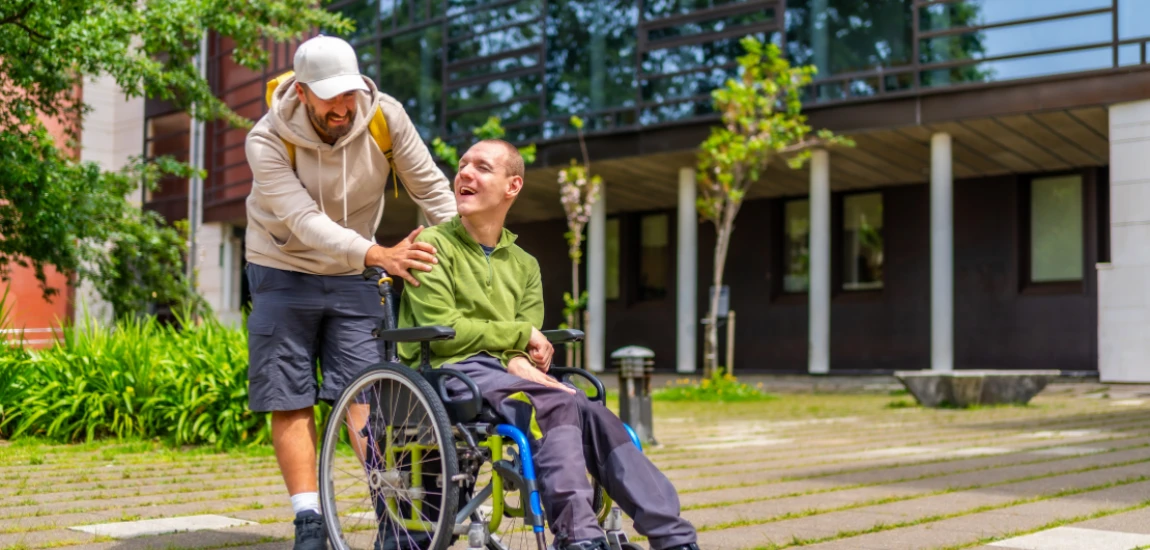
Tourism should be an experience that people can enjoy regardless of age, mobility, sensory preferences, communication needs, or other individual circumstances. Yet many destinations still contain barriers that can make travel difficult. These barriers may appear in transportation, accommodation, attractions, public spaces, digital platforms, communication systems, or the way tourism information is presented.
Universal Travel Accessibility Networks provide a broader approach to addressing these challenges. Instead of treating accessibility as a feature of a single hotel, attraction, or transportation service, accessibility networks connect different parts of the visitor journey.
A traveler may require accessible transportation, an appropriate hotel room, step-free access to attractions, clear digital information, suitable public facilities, and accessible communication throughout the same trip. If one part of this journey creates a major barrier, the entire travel experience can become difficult.
Universal accessibility therefore requires coordination.
A destination can develop accessible infrastructure, improve digital information, train tourism employees, provide inclusive transportation, and establish consistent accessibility standards. These efforts become more effective when they are connected into one destination-wide system.
Inclusive tourism also benefits more people than those who identify with a specific accessibility requirement. Families traveling with young children, older travelers, people temporarily recovering from injuries, visitors carrying luggage, and travelers who prefer simpler navigation can all benefit from accessible design.
The following sections explore how destinations can create accessibility networks that connect transportation, accommodation, attractions, technology, communication, and visitor services into more inclusive tourism environments.
Understanding Universal Travel Accessibility Networks

Universal Travel Accessibility Networks connect different tourism services and infrastructure so visitors can experience a destination with fewer physical, sensory, cognitive, communication, and informational barriers.
Moving Beyond Individual Accessibility
Accessibility is often considered separately.
A hotel may have an accessible entrance, while a nearby attraction may not. An airport may provide assistance, but the transportation system connecting travelers to the city may have limitations.
Universal travel accessibility focuses on the complete journey.
The objective is to make accessibility more consistent from trip planning and transportation to accommodation, attractions, dining, shopping, and departure.
Understanding Diverse Visitor Needs
Visitors have different requirements.
Some travelers may need step-free routes or accessible bathrooms. Others may benefit from visual information, captions, quieter environments, clear signs, simplified instructions, or alternative communication formats.
Accessibility planning should recognize this diversity instead of assuming that one solution will work for everyone.
Designing for Independence
Inclusive tourism should support visitor independence wherever possible.
Clear information, accessible facilities, understandable navigation, suitable transportation, and well-designed public spaces can allow travelers to make decisions and move through destinations with greater confidence.
Good accessibility design reduces the need for visitors to repeatedly request special assistance.
Creating Accessible Transportation Networks

Transportation is one of the most important parts of an accessible tourism system. A destination cannot provide an inclusive experience if visitors cannot move comfortably and safely between major points.
Improving Public Transportation
Buses, trains, trams, ferries, and other public transportation can incorporate features such as step-free boarding, accessible seating, visual announcements, audio information, clear signage, and suitable station facilities.
Accessibility should be considered across the complete transportation network rather than at isolated stations.
Information about accessibility should also be available before visitors begin their journeys.
Designing Accessible Walking Routes
Many tourism experiences depend on walking.
Destinations can improve accessibility through smoother pathways, appropriate curb design, resting areas, accessible crossings, adequate lighting, clear wayfinding, and suitable public facilities.
Routes connecting hotels, attractions, restaurants, transportation stops, and public spaces should be assessed as connected visitor corridors.
Supporting Accessible Private Transportation
Taxis, ride services, rental vehicles, tourist shuttles, and private transfers can also contribute to accessibility.
Destinations can encourage transportation providers to offer accessible vehicles and clear information about available services.
Reliable booking systems can allow visitors to identify suitable transportation before arriving.
Making Accommodation and Attractions More Inclusive

Accommodation and attractions are central components of the tourism experience. Accessibility should be incorporated into both physical design and visitor services.
Designing Accessible Accommodation
Hotels, guesthouses, resorts, hostels, and other accommodation providers can improve accessibility through suitable entrances, accessible rooms, bathroom features, elevators, clear room information, and appropriate common areas.
However, accessibility information must also be accurate.
Visitors should be able to understand the actual features of a room or facility rather than relying on vague labels such as “accessible.”
Improving Attraction Accessibility
Museums, historic sites, parks, cultural venues, theme parks, beaches, and nature attractions can provide accessible routes and services.
Where full physical access is not possible because of historic or environmental constraints, alternative experiences can be developed.
Accessible viewing areas, digital interpretation, audio descriptions, captions, virtual experiences, and suitable transportation can help expand participation.
Making Restaurants and Retail Spaces Accessible
Food and shopping experiences are important parts of tourism.
Restaurants, cafés, markets, and shops can improve accessibility through suitable entrances, seating arrangements, clear menus, readable information, accessible payment options, and staff training.
A destination-wide accessibility network should include these everyday visitor experiences rather than focusing only on major attractions.
Improving Digital Accessibility and Visitor Information

Digital information influences tourism decisions long before visitors reach a destination. Accessible digital services can help travelers understand whether facilities meet their individual needs.
Creating Accessible Tourism Websites
Destination websites should provide clear information about transportation, accommodation, attractions, public spaces, and visitor services.
Accessibility information should be specific and easy to understand.
For example, instead of simply stating that an attraction is accessible, information can describe entrances, pathways, elevators, bathrooms, seating, sensory considerations, and available assistance.
Improving Digital Navigation
Mobile applications and digital maps can help visitors find accessible routes and facilities.
Accessibility-focused navigation can identify step-free paths, accessible transportation stops, rest areas, bathrooms, entrances, and other useful facilities.
Real-time updates can make these systems more valuable by informing visitors about temporary closures or service disruptions.
Providing Multiple Communication Formats
Different visitors may prefer different information formats.
Destinations can provide written instructions, visual symbols, captions, audio information, easy-to-read content, and other communication options.
Multiple formats can improve understanding and reduce uncertainty throughout the visitor journey.


Gary Arndt operates "Everything Everywhere," a blog focusing on worldwide travel. An award-winning photographer, Gary shares stunning visuals alongside his travel tales.
Gary Arndt
Prev Post

Next Post