
Circular Tourism Resource Networks – Reducing Waste Through Reuse and Resource Recovery
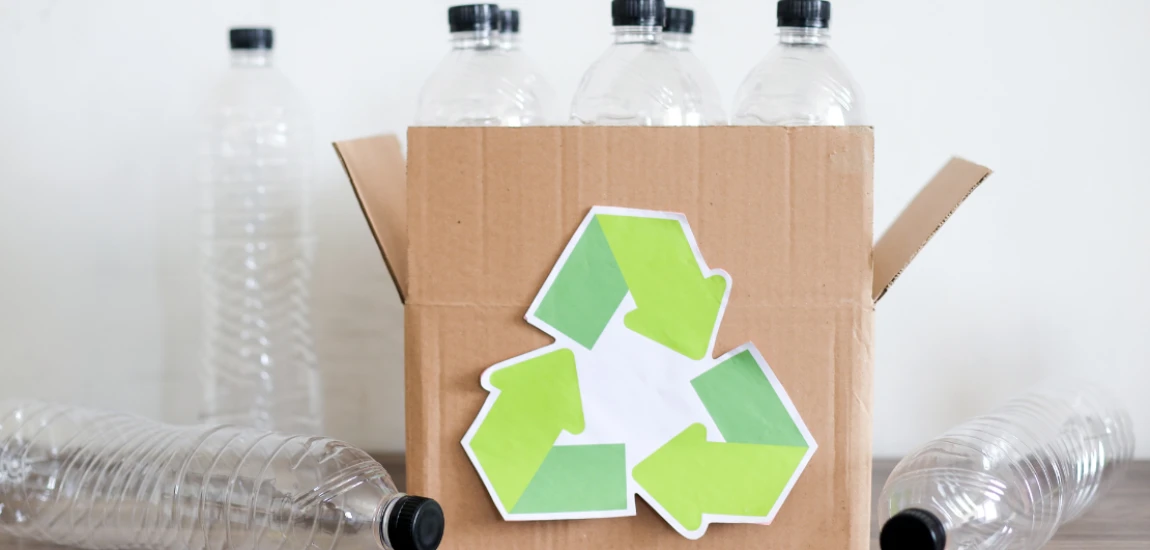
Tourism creates economic opportunities for destinations, but it also generates significant quantities of waste and consumes large amounts of materials, water, food, energy, and other resources. Hotels, restaurants, attractions, transportation providers, events, and visitors all contribute to resource consumption throughout the tourism journey.
Traditional tourism systems often follow a linear model: resources are extracted, products are purchased, used, and eventually discarded. This approach can create unnecessary waste and increase pressure on landfills, natural resources, and destination infrastructure.
Circular Tourism Resource Networks offer an alternative approach. Instead of treating materials as disposable resources, circular tourism systems aim to keep products and materials in use for as long as possible through reuse, repair, refurbishment, recycling, recovery, and responsible redistribution.
A circular tourism network connects tourism businesses, local suppliers, recycling organizations, community groups, waste-management companies, farmers, food producers, manufacturers, and other stakeholders. These connections can create opportunities for one organization's waste or unused resources to become another organization's input.
For example, hotels can redirect surplus food to appropriate community or recovery programs. Restaurants can separate organic waste for composting. Tourism businesses can reuse furniture, equipment, and packaging. Local producers can use recovered materials in new products.
Circularity therefore requires more than recycling bins. It involves redesigning how tourism resources move through the destination.
Understanding Circular Tourism Resource Networks

Circular Tourism Resource Networks are interconnected systems designed to keep tourism-related resources circulating within the economy for as long as possible.
Instead of viewing waste as the end of a product's life, circular tourism considers whether that product can be reused, repaired, repurposed, recycled, or recovered.
Moving from linear to circular tourism
A linear tourism system generally follows a simple pattern:
Take → Make → Use → Dispose.
A circular tourism system aims for a different flow:
Reduce → Reuse → Repair → Recover → Recycle → Regenerate.
This approach can reduce the amount of waste sent to landfills while lowering demand for new materials.
Hotels, restaurants, attractions, and event organizers can examine where materials enter their operations and what happens to them afterward.
Connecting tourism stakeholders
Circularity becomes more effective when organizations work together.
A hotel may have used furniture that another local business can refurbish. A restaurant may produce organic waste that can be processed into compost. A farm may provide local food to hotels while receiving suitable organic resources for soil improvement.
These relationships create a resource network.
Understanding resource flows
Destinations can begin by mapping material and resource flows.
They can identify how much food, packaging, water, textiles, furniture, construction material, and other resources are purchased, used, discarded, or recovered.
Resource mapping helps identify opportunities for waste reduction and reuse.
Reducing Food Waste Through Circular Tourism Systems

Food is an important part of tourism. Hotels, restaurants, cafes, resorts, events, and attractions can generate significant food waste through preparation, overproduction, buffet leftovers, packaging, and consumer waste.
Circular resource networks can help keep food and organic materials within productive systems.
Preventing unnecessary food waste
The first step is reducing waste before it occurs.
Tourism businesses can improve inventory management, forecast demand, adjust portion sizes, improve storage, and train employees in food-waste prevention.
Hotels can analyze occupancy patterns and meal demand to reduce overproduction.
Reducing food waste at the source can also lower purchasing and disposal costs.
Redistributing suitable surplus food
Some food may remain safe and suitable for redistribution.
Where local regulations and food-safety requirements allow, tourism businesses can work with food recovery organizations or community programs to redirect suitable surplus food.
This can turn potential waste into a social resource.
Clear procedures are important to ensure appropriate handling, storage, labeling, and transportation.
Turning organic waste into resources
Food scraps and other organic materials can be processed through composting or other appropriate recovery systems.
Compost can support agriculture, landscaping, parks, and community gardens.
This creates a circular connection between tourism businesses and local food or environmental systems.
Reusing and Recovering Materials Across Tourism Businesses

Tourism businesses use many physical products, including furniture, textiles, packaging, equipment, construction materials, and promotional materials.
Circular networks can create opportunities to extend the life of these resources.
Reusing furniture and equipment
Hotels frequently replace beds, tables, chairs, lighting, appliances, and other equipment.
Instead of automatically sending these materials to disposal facilities, businesses can explore refurbishment, resale, donation, or transfer opportunities.
A coordinated local resource exchange can connect businesses with organizations that can reuse these products.
Creating reusable packaging systems
Single-use packaging is a major source of tourism waste.
Restaurants, hotels, events, and takeaway businesses can explore reusable containers, refill systems, bulk purchasing, and returnable packaging where practical.
A network approach can make reusable systems more efficient.
For example, multiple businesses could participate in a shared return-and-cleaning system for reusable food containers.
Recovering construction and renovation materials
Tourism properties periodically undergo renovations.
Construction and demolition can generate large quantities of materials.
Destinations can develop systems for recovering doors, fixtures, wood, tiles, furniture, metals, and other usable materials.
These materials can potentially be reused in other projects instead of becoming waste.


Kate McCulley, the voice behind "Adventurous Kate," provides travel advice tailored for women. Her blog encourages safe and adventurous travel for female readers.
Kate McCulley

Prev Post

Next Post