
Living Heritage Tourism Systems – Supporting Traditional Culture Through Responsible Tourism
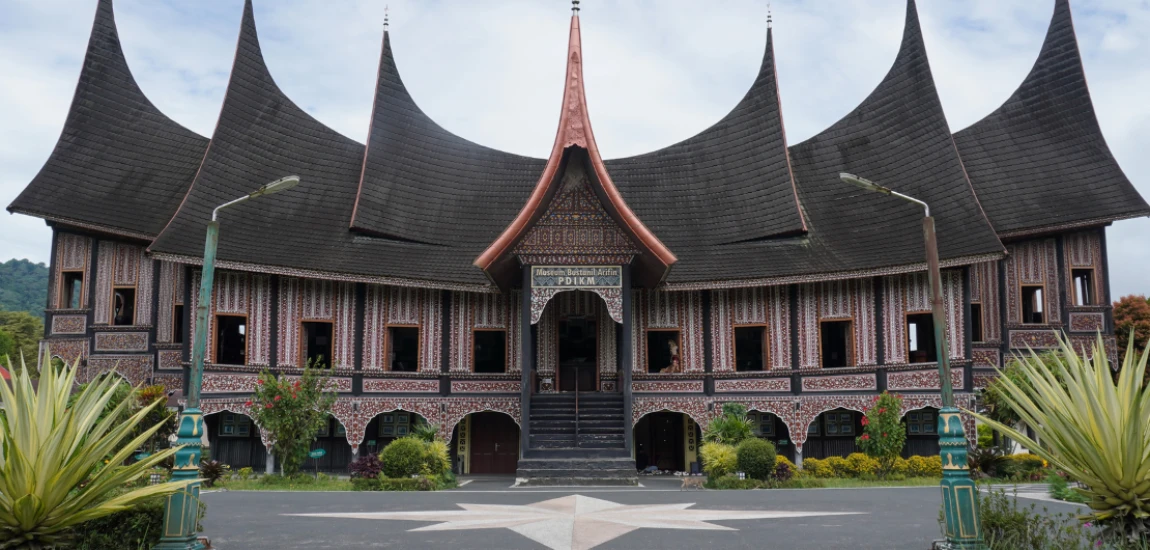
Cultural heritage is one of the most valuable resources a tourism destination can offer. Traditional food, crafts, music, dance, storytelling, architecture, festivals, ceremonies, languages, and local knowledge can provide visitors with meaningful experiences while helping communities maintain connections with their history and identity.
However, cultural heritage is not simply something preserved inside museums or historic buildings. Many traditions remain active parts of everyday community life. These living traditions evolve naturally as people continue practicing, teaching, adapting, and sharing them across generations.
Living Heritage Tourism Systems provide a framework for connecting responsible tourism with these active cultural traditions. Rather than treating culture as a product created only for visitors, this approach places communities and cultural practitioners at the center of tourism development.
Responsible living heritage tourism can create economic opportunities for artisans, performers, storytellers, food producers, guides, cultural organizations, and other community members. At the same time, it can provide resources and visibility that support the continuation of traditional practices.
However, tourism must be carefully managed. Excessive commercialization, inappropriate visitor behavior, cultural misrepresentation, and pressure to perform traditions in ways that do not reflect local practices can weaken cultural authenticity.
A successful Living Heritage Tourism System therefore balances visitor interest with community control, cultural continuity, responsible interpretation, fair economic benefits, and long-term heritage protection.
Understanding Living Heritage Tourism Systems

Living Heritage Tourism Systems recognize that cultural heritage is continuously practiced and developed by communities. The focus is not only on preserving physical heritage but also on supporting the people and traditions that give heritage its meaning.
Understanding Living Heritage
Living heritage can include traditional crafts, food preparation, music, dance, storytelling, agricultural practices, religious or community celebrations, local languages, traditional knowledge, and forms of craftsmanship.
These traditions may change over time while still maintaining important cultural connections.
Tourism planning should therefore avoid treating traditions as completely fixed objects.
Instead, it should recognize that communities have the right to determine how their cultural practices are represented and shared.
Moving Beyond Cultural Attractions
Traditional tourism often focuses on monuments, museums, historic buildings, and famous cultural sites.
Living heritage tourism expands this concept by highlighting people, practices, skills, and everyday cultural experiences.
Visitors might learn traditional cooking from local residents, observe artisans at work, participate in workshops, listen to community storytelling, or explore local food traditions.
These experiences can create deeper connections between visitors and destinations.
Putting Communities at the Center
Community participation is fundamental to living heritage tourism.
Local people should have opportunities to decide which traditions are shared with visitors, how they are presented, and what forms of tourism development are appropriate.
Community-led decision-making can help ensure that tourism supports cultural continuity rather than changing traditions solely to satisfy visitor expectations.
Protecting Traditional Culture Through Responsible Tourism

Tourism can provide resources for cultural preservation, but unmanaged tourism can also create cultural pressure. Responsible tourism aims to create benefits while minimizing negative effects.
Supporting Cultural Practitioners
Artisans, musicians, performers, cooks, storytellers, craftspeople, and other cultural practitioners are essential to living heritage.
Tourism can provide them with new markets and income opportunities.
Fair compensation is important because cultural knowledge and creative work should not be treated as free entertainment.
Tourism programs can create workshops, demonstrations, cultural markets, performances, and educational experiences that provide direct economic value to practitioners.
Protecting Cultural Meaning
Not every cultural practice should automatically become a tourism product.
Some traditions may be private, sacred, seasonal, or intended only for community members.
Responsible tourism requires sensitivity to these boundaries.
Destination managers and tourism businesses should work with cultural representatives to establish clear guidelines regarding what can be photographed, recorded, performed, purchased, or shared.
Avoiding Cultural Commodification
Commercialization can become problematic when traditions are modified excessively to meet tourist expectations.
For example, performances may be shortened, costumes may be changed, or cultural stories may be simplified.
Responsible tourism should prioritize accurate representation and community control.
Tourism can adapt its format without changing the essential cultural meaning of the tradition.
Creating Meaningful Living Heritage Visitor Experiences

Living heritage tourism can provide visitors with deeper experiences when tourism activities are designed around learning, participation, respect, and genuine community interaction.
Developing Cultural Workshops
Hands-on workshops can introduce visitors to traditional skills.
Craft-making, cooking, weaving, pottery, music, farming, and other activities can allow visitors to learn directly from local practitioners.
These experiences can provide income while also creating opportunities for knowledge transmission.
The emphasis should be on learning and appreciation rather than treating cultural practices as simple entertainment.
Using Storytelling and Interpretation
Storytelling can help visitors understand the history and meaning behind cultural traditions.
Local guides and community storytellers can explain why certain foods, crafts, celebrations, landscapes, or architectural features are important.
Interpretation should use accurate information and reflect local perspectives.
This can create more meaningful experiences than simply presenting cultural objects without context.
Designing Small-Scale Cultural Experiences
Smaller cultural experiences can reduce pressure on communities.
Instead of sending large groups into sensitive cultural spaces, tourism operators can develop smaller workshops, walking tours, community markets, or scheduled cultural sessions.
This can improve visitor interaction while giving communities greater control over tourism activity.


Ben Schlappig runs "One Mile at a Time," focusing on aviation and frequent flying. He offers insights on maximizing travel points, airline reviews, and industry news.
Ben Schlappig

Prev Post

Next Post