
Travel Resilience Planning: How Travelers Can Prepare for Delays, Disruptions, and Unexpected Events
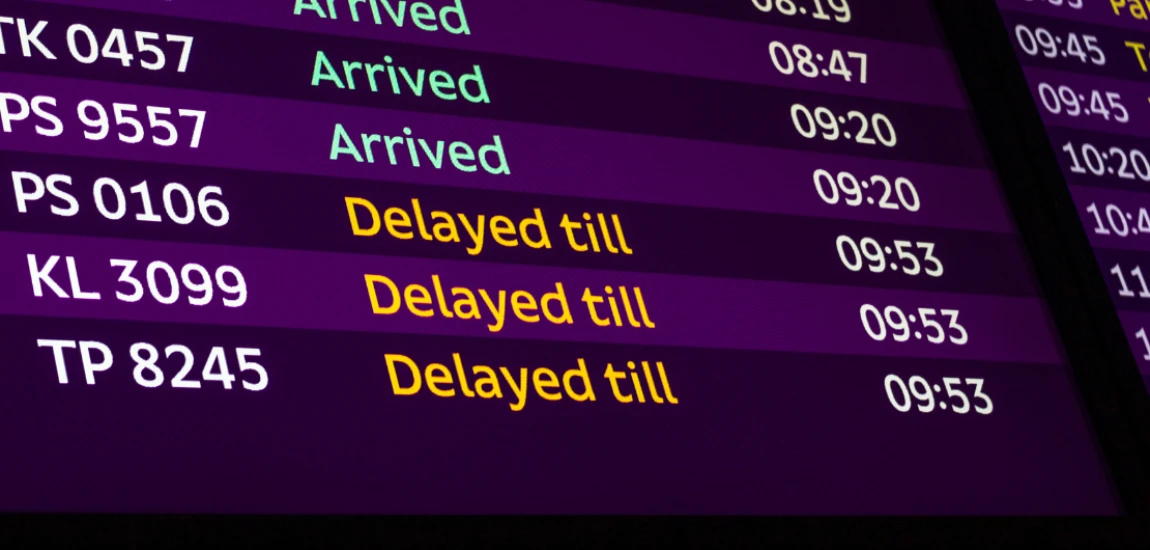
Travel rarely goes exactly according to plan. A flight can be delayed, a train can be canceled, severe weather can change an itinerary, luggage can arrive late, roads can close, or an attraction can unexpectedly shut down. Even relatively simple journeys can become complicated when several small disruptions happen at the same time.
This is why travel resilience planning is becoming an increasingly important part of modern tourism. Rather than attempting to create a completely disruption-free trip, resilient travel planning focuses on preparing for uncertainty and building enough flexibility into a journey to respond when circumstances change.
Travel resilience does not mean expecting something to go wrong. It means having practical alternatives when something does happen.
A resilient traveler might have a backup transportation option, flexible accommodation arrangements, digital copies of important documents, emergency contacts, travel insurance information, access to essential medications and supplies, and enough time between important connections. Just as importantly, they may avoid creating an itinerary so tightly packed that one delay causes the entire trip to collapse.
Technology can also play an important role. AI travel assistants, real-time transportation alerts, digital maps, weather information, and automated itinerary tools could help travelers identify disruptions and adjust plans more quickly.
The goal is simple: prepare for uncertainty without allowing uncertainty to control the entire journey.
Understanding Travel Resilience Planning

Travel resilience planning is the process of preparing for unexpected events that could affect transportation, accommodation, activities, safety, finances, or the overall travel schedule. It combines preparation, flexibility, backup options, and informed decision-making.
Why Travel Resilience Matters
Modern travel networks are highly interconnected. A delay at one airport can affect multiple flights. A transportation strike can change an entire itinerary. Severe weather can disrupt roads, railways, attractions, and accommodation.
Travelers who build rigid schedules may have difficulty responding to these situations.
For example, imagine a traveler has a two-hour connection between flights, followed by a prepaid tour that begins immediately after arrival. If the first flight is delayed, the traveler could lose both the connection and the tour.
A resilient itinerary would include more time between critical activities and, where possible, flexible booking conditions.
The purpose is not to predict every possible problem. That would be impossible. Instead, travelers can identify the parts of a journey where disruption would have the greatest consequences.
Building Flexibility Into the Itinerary
One of the strongest principles of resilient travel is flexibility.
Instead of scheduling every hour, travelers can create open periods between important activities. They can avoid booking non-refundable experiences immediately after long-distance transportation and can consider alternatives for major activities.
A flexible itinerary might include a primary plan and one or two realistic alternatives.
For example, if an outdoor excursion depends heavily on weather, a traveler could identify a museum, cultural activity, or indoor experience as a backup.
This simple approach can prevent one canceled activity from ruining an entire day.
Preparing Without Overplanning
Resilience should not become another source of travel stress.
Travelers do not need ten backup plans for every situation. Excessive preparation can create decision fatigue and make a vacation feel like a project.
Instead, focus on high-impact risks.
Ask questions such as: What happens if my flight is delayed? What if I lose my phone? What if the weather changes? What if my accommodation becomes unavailable? What if I miss a connection?
Answering these basic questions can create a practical resilience framework without overcomplicating the journey.
Preparing for Transportation Delays and Cancellations

Transportation is one of the most common sources of travel disruption. Flights, trains, buses, ferries, rental cars, and local transportation can all experience unexpected changes.
Allowing Enough Connection Time
Tight connections may appear efficient, but they can create significant problems when transportation runs late.
Travelers can reduce risk by allowing reasonable connection time, particularly when changing airports, passing through immigration, collecting luggage, or traveling during periods when weather may affect transportation.
A few additional hours can sometimes make the difference between a manageable delay and a complete itinerary failure.
When booking separate transportation tickets, travelers should be especially careful because one delayed journey may not automatically protect the next booking.
Creating Backup Transportation Options
A resilient traveler should know what alternatives exist.
If a train is canceled, is there another departure? If public transportation stops operating, are taxis, rideshares, rental cars, or other services available? If a flight is disrupted, are alternative routes possible?
Travelers do not necessarily need to book backup transportation in advance. Simply knowing the alternatives can reduce panic when something changes.
It is also useful to save important transportation information offline when possible, particularly when internet access may become unreliable.
Responding Quickly During Disruptions
When a major delay occurs, travelers often need to make decisions quickly.
A useful approach is to identify the most important priority first.
Is the immediate goal reaching the destination? Protecting a hotel booking? Making a connection? Finding a safe place to stay?
Once the priority is clear, travelers can focus on the next practical step rather than trying to solve the entire trip at once.
This creates a more manageable response to unexpected events.
Preparing for Weather and Environmental Disruptions

Weather can affect travel at almost every stage. Heavy rain, extreme heat, storms, flooding, snow, strong winds, or other environmental conditions can change transportation and outdoor activities.
Monitoring Conditions Before Departure
Checking weather conditions before traveling can help travelers understand potential risks.
However, travelers should avoid treating a forecast as a guarantee. Conditions can change, especially over several days.
A better approach is to use forecasts to identify potential vulnerabilities.
If a destination is expecting heavy rain, travelers can avoid making every activity dependent on outdoor conditions.
Creating Weather Alternatives
A resilient itinerary includes alternatives for weather-sensitive activities.
For a beach-focused trip, travelers could identify museums, food experiences, historical sites, cultural workshops, or indoor entertainment options.
For hiking trips, travelers can identify shorter or lower-risk routes where appropriate.
This makes the itinerary adaptable rather than dependent on perfect conditions.
Respecting Local Warnings
Travelers should take official local warnings seriously.
If authorities advise against entering an area because of flooding, extreme weather, wildfire risk, or other hazards, changing the itinerary is more important than protecting a vacation schedule.
Resilient travel means knowing when to adapt.
The ability to cancel an activity or leave an area when conditions become unsafe is a strength, not a failure of planning.
Building Financial and Accommodation Resilience

Financial flexibility is another important component of travel resilience. Unexpected disruptions can create additional costs, especially when travelers need to change transportation or accommodation.
Maintaining an Emergency Travel Budget
Travelers can consider setting aside a small emergency budget for unexpected expenses.
This could help cover additional transportation, accommodation, food, communication, or other urgent needs.
The appropriate amount depends on the destination, trip length, and personal circumstances.
The important principle is having some financial flexibility rather than planning every expense down to the last unit of currency.
Understanding Booking Conditions
Before booking hotels, flights, tours, and transportation, travelers should understand cancellation and modification policies.
Flexible reservations can be especially useful when travel plans depend on uncertain conditions.
Travelers should pay attention to deadlines because some flexible cancellation policies only apply until a specific date or time.
Understanding these conditions before a disruption occurs can save considerable stress later.
Keeping Accommodation Alternatives
For complicated journeys, it can be useful to identify alternative accommodation areas.
If a hotel becomes unavailable, the traveler should know which neighborhoods or nearby towns could provide alternatives.
However, travelers should avoid making unnecessary duplicate bookings solely for peace of mind unless the financial consequences are acceptable.
Resilience is about having realistic alternatives, not creating excessive commitments.


Gary Arndt operates "Everything Everywhere," a blog focusing on worldwide travel. An award-winning photographer, Gary shares stunning visuals alongside his travel tales.
Gary Arndt

Prev Post

Next Post