
Circular Travel Economies: How Tourism Can Reduce Waste and Reuse Resources
Tourism creates jobs, supports businesses, connects cultures, and generates economic value for destinations around the world. However, the industry also consumes large amounts of energy, water, food, materials, and other resources. Hotels use furniture, linens, toiletries, packaging, and construction materials. Restaurants generate food waste. Airports and transportation systems consume fuel and create emissions. Tourists themselves purchase products that can quickly become waste.
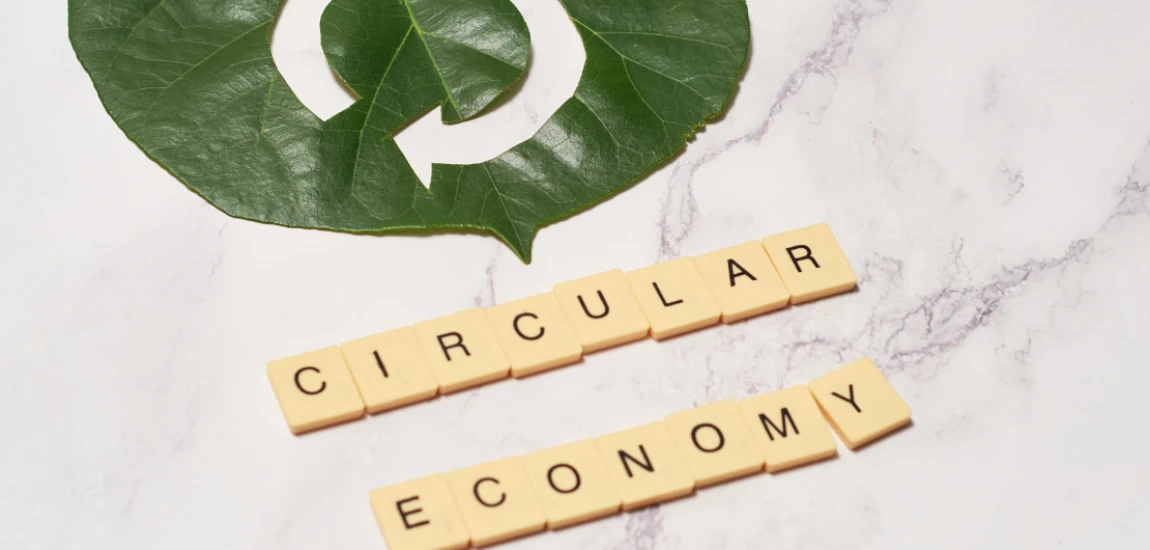
This has encouraged a new approach known as circular travel economies. Instead of following a traditional linear model of “take, make, use, and dispose,” circular tourism aims to keep materials and resources in use for as long as possible.
The idea is simple: tourism should create value without constantly consuming new resources and sending used materials to landfills. Hotels can reuse furniture, restaurants can redirect surplus food, destinations can develop recycling systems, and businesses can purchase locally produced products designed for durability and reuse.
Circular tourism also creates opportunities for local economies. Repair businesses, recycling companies, farmers, artisans, food producers, and sustainable manufacturers can become part of the tourism supply chain.
As travelers become more conscious of environmental impact, circular tourism could become an important foundation for the future of sustainable travel.
What Are Circular Travel Economies?

Circular travel economies are tourism systems designed to minimize waste and maximize the reuse, repair, recycling, and regeneration of resources. The approach applies circular economy principles to hotels, restaurants, transportation, attractions, events, and destination management.
Moving Beyond the Linear Tourism Model
Traditional tourism often follows a linear pattern. Businesses purchase resources, use them, and eventually dispose of them. A hotel may replace furniture when it becomes outdated rather than repairing or repurposing it. A restaurant may throw away unused food instead of finding another use for it.
Circular tourism challenges this model by asking how products and materials can remain valuable for longer.
Furniture can be repaired, food waste can become compost, old textiles can be recycled, and reusable packaging can replace disposable alternatives.
Keeping Resources in Use
The goal of a circular travel economy is not simply recycling. Recycling is one part of a larger system that includes prevention, reuse, repair, refurbishment, sharing, and responsible sourcing.
Hotels can purchase durable products that last longer. Tourism businesses can share equipment rather than each company purchasing its own. Destinations can create systems for collecting and reusing materials.
This reduces pressure on natural resources while potentially lowering operating costs.
Connecting Sustainability With Tourism Growth
Circular tourism demonstrates that economic development does not always have to depend on greater resource consumption.
A destination can attract visitors while developing systems that reduce waste and keep money circulating locally. This makes circularity both an environmental strategy and an economic opportunity.
Reducing Food Waste Across the Tourism Industry

Food is one of the most important areas where tourism businesses can adopt circular practices. Hotels, restaurants, resorts, cruise ships, airports, and events can generate substantial amounts of food waste.
Smarter Food Purchasing
Businesses can reduce waste by improving demand forecasting and purchasing food according to actual guest requirements.
Hotels offering large buffets can monitor which foods are consistently left untouched and adjust quantities accordingly. Restaurants can use inventory management systems to prevent ingredients from expiring before they are used.
Seasonal and locally sourced ingredients can also reduce transportation requirements while supporting nearby producers.
Reusing Surplus Food Responsibly
Safe surplus food can sometimes be donated to community organizations or redirected through food recovery programs.
Restaurants can also creatively reuse appropriate ingredients. Vegetable trimmings can become stocks, surplus fruit can be incorporated into desserts, and excess ingredients can be transformed into new menu items.
These practices reduce unnecessary waste while encouraging more efficient kitchen management.
Turning Organic Waste Into a Resource
Food that cannot be safely reused can become a resource through composting or other organic waste systems.
Hotels and restaurants can partner with local composting organizations or agricultural businesses. The resulting material can support soil health and potentially return nutrients to local farms.
This creates a circular connection between tourism, food production, and local ecosystems.
Reusing Materials in Hotels and Destinations

Accommodation providers consume a wide variety of physical resources. Circular design can help hotels reduce waste while creating more distinctive and sustainable guest environments.
Designing for Durability and Repair
Hotels can select furniture, fixtures, textiles, and equipment designed for long-term use. When something becomes damaged, repair should be considered before replacement.
Modular furniture can make it easier to replace individual components instead of discarding an entire product.
This approach reduces waste and can extend the useful life of hotel assets.
Repurposing Existing Materials
Hotels renovating their properties can reuse existing materials whenever practical. Old furniture might be restored, construction materials can sometimes be recovered, and unwanted equipment may be donated or refurbished.
Interior designers can incorporate reclaimed wood, recycled materials, and locally produced products into hotel spaces.
This can also give accommodation properties a distinctive identity connected to the destination.
Reusable Guest Amenities
Single-use toiletries, plastic bottles, disposable slippers, and other amenities can create unnecessary waste.
Hotels can introduce refillable dispensers, reusable water bottles, durable containers, and other alternatives.
Small changes multiplied across thousands of rooms can create significant reductions in material consumption.
Building Circular Local Tourism Economies

Circular tourism becomes more powerful when resources and money remain within local communities.
Supporting Local Producers
Hotels and restaurants can purchase food, furniture, crafts, textiles, and other products from local businesses.
Shorter supply chains can reduce transportation impacts while creating economic opportunities for local producers.
Local sourcing can also make tourism experiences more authentic because visitors encounter products and traditions connected to the destination.
Creating Green Jobs
Circular tourism can create employment in repair, recycling, composting, sustainable agriculture, refurbishment, renewable energy, waste management, and environmental services.
Instead of viewing waste as something with no value, communities can develop businesses around recovering and transforming materials.
This creates an economic reason to keep resources in circulation.
Encouraging Tourism Businesses to Collaborate
Circularity becomes easier when businesses cooperate. One company's waste may become another company's resource.
For example, a hotel could provide organic waste to a local composting business, while a farm could supply food to nearby restaurants. A recycling company could recover materials from multiple tourism businesses.
These relationships can create interconnected local tourism ecosystems.


Dave Lee runs "GoBackpacking," a blog that blends travel stories with how-to guides. He aims to inspire backpackers and offer them practical advice.
Dave Lee

Prev Post
Next Post