
Micro-Adventure Tourism: How Short, Local Adventures Are Changing the Meaning of Exploration Title:
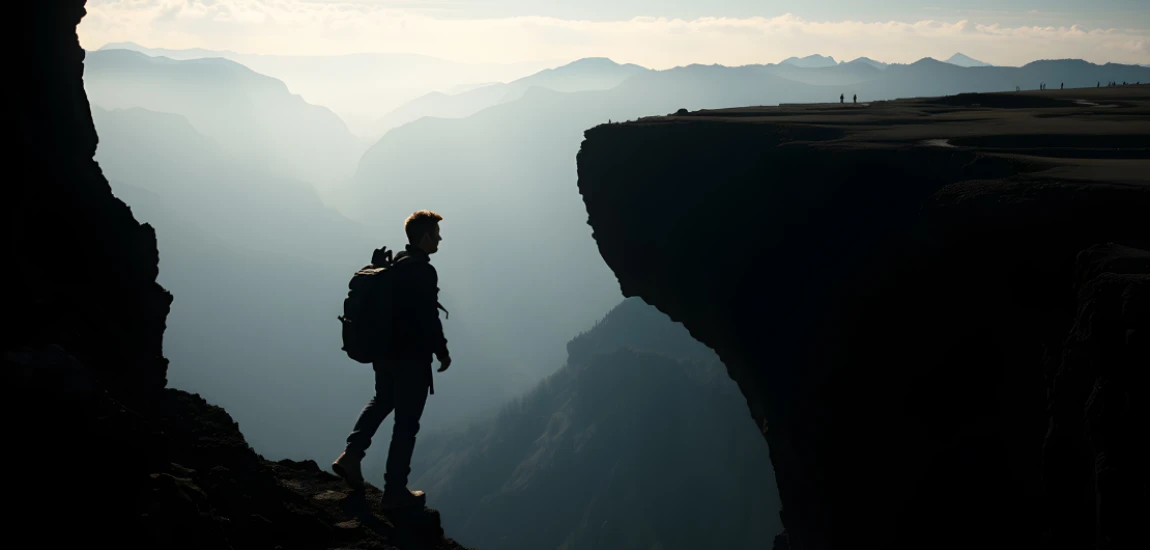
Adventure travel has traditionally been associated with distant destinations, long journeys, expensive equipment, and extended vacations. Travelers often imagine climbing mountains in another country, exploring remote forests, crossing deserts, or spending weeks discovering unfamiliar landscapes. But a different idea is gaining attention: micro-adventure tourism.
Micro-adventures are short, accessible experiences that can often be completed close to home. They may involve hiking a nearby trail, cycling through a rural area, camping for one night, kayaking on a local river, exploring a hidden natural site, watching the sunrise, or taking a spontaneous day trip.
The concept challenges the idea that exploration requires distance. Instead, it encourages travelers to look at familiar surroundings with greater curiosity.
This shift is particularly relevant in a world where people have limited vacation time, busy schedules, rising travel costs, and growing interest in sustainable tourism. A local adventure can require less transportation, less planning, and less money while still creating a genuine sense of discovery.
Micro-adventure tourism also connects with slow travel, nature tourism, wellness travel, local-first tourism, and responsible tourism. It encourages people to spend time in nearby communities and natural environments rather than automatically traveling long distances for every adventure.
The result is a new understanding of exploration: adventure does not always begin at the airport. Sometimes, it begins just outside your own neighborhood.
What Is Micro-Adventure Tourism?

Micro-adventure tourism focuses on short, simple, and accessible adventures that can fit into everyday life. Unlike traditional adventure holidays that may require extensive preparation, micro-adventures are designed to be easier to organize and participate in.
Exploring Close to Home
A micro-adventure might happen within an hour or two of where someone lives. A traveler could visit a nearby forest, explore a coastal trail, cycle along a rural road, paddle on a local lake, or camp overnight.
The important element is not the distance traveled but the feeling of exploration.
Even familiar regions can contain places that residents have never visited. Taking a different route, exploring a lesser-known trail, or visiting a local natural area at sunrise can create a fresh experience.
This makes micro-adventure tourism particularly powerful because it transforms ordinary geography into an opportunity for discovery.
Short Trips With Real Experiences
Micro-adventures can last a few hours, a day, a weekend, or a single night.
Their short duration makes them easier to fit around work, education, family responsibilities, and other commitments.
Travelers do not necessarily need to wait for annual vacations to experience something new.
A Saturday hike or overnight camping trip can provide a meaningful break from routine.
Adventure Without Excessive Complexity
Traditional adventure travel can require flights, accommodation, guides, equipment, visas, and extensive planning.
Micro-adventures can eliminate many of these barriers.
Travelers can often use existing equipment, local transportation, or simple outdoor resources.
This accessibility can introduce adventure tourism to people who may not consider themselves traditional adventure travelers.
Why Short Local Adventures Are Becoming Popular

The rise of micro-adventure tourism reflects several changes in how people think about time, money, sustainability, and leisure.
Limited Time and Flexible Travel
Many people cannot take long vacations several times a year. Work responsibilities and personal commitments often make extended travel difficult.
Micro-adventures provide an alternative.
Instead of waiting months for a major vacation, travelers can create smaller experiences throughout the year.
This can make travel feel like an ongoing part of life rather than an occasional event.
Affordable Exploration
Travel costs can increase significantly when flights, hotels, international transportation, and long-distance transfers are involved.
Local adventures generally reduce some of these expenses.
Travelers can spend their budgets on experiences rather than transportation.
This affordability can also make adventure tourism more accessible to younger travelers, families, and people who prefer smaller travel budgets.
A Desire for More Meaningful Experiences
Modern travelers are increasingly interested in experiences rather than simply collecting destinations.
A local hike with friends, a night under the stars, or a quiet morning beside a lake can become deeply memorable.
Micro-adventures create opportunities for travelers to focus on the quality of the experience instead of the number of destinations visited.
Micro-Adventures and Sustainable Tourism

Short-distance travel can also support more sustainable tourism when planned responsibly. Although no travel model is automatically sustainable, local adventures can reduce the need for some long-distance transportation.
Reducing Travel Distance
Long-distance tourism often requires significant transportation.
Micro-adventures can encourage people to explore places that are already relatively accessible.
Walking, cycling, public transportation, carpooling, or shared transportation can further reduce the environmental impact of local adventures.
The key is to consider the entire journey rather than focusing only on the activity itself.
Supporting Local Businesses
Local adventures can direct tourism spending toward nearby communities.
Travelers might stay at a small guesthouse, eat at a locally owned restaurant, purchase handmade products, hire local guides, or visit community-run attractions.
This creates economic opportunities while keeping more tourism revenue within the destination.
Protecting Natural Places
Greater local tourism can create new responsibilities.
If a natural area becomes popular, increased visitors can contribute to litter, erosion, habitat disruption, and overcrowding.
Responsible micro-adventure tourism therefore requires visitors to follow local regulations, stay on designated trails, minimize waste, respect wildlife, and leave natural areas as they found them.
Sustainable exploration depends on protecting the places that make adventure possible.
Technology Is Making Micro-Adventures Easier

Technology has significantly lowered the barriers to discovering nearby adventures. Travelers can now use digital maps, weather tools, outdoor applications, transportation platforms, and AI-powered travel assistants to identify opportunities.
Discovering Hidden Local Experiences
Travel applications can help people find hiking routes, cycling paths, parks, viewpoints, lakes, cultural sites, and other nearby attractions.
This can reveal experiences that residents may never have considered.
Instead of searching for international destinations, travelers can search for "adventures near me" or explore lesser-known areas within their region.
AI-Powered Micro-Adventure Planning
AI could make local adventure planning even more personalized.
A traveler could tell an AI assistant their available time, fitness preferences, budget, transportation options, and interests.
The system could potentially suggest a three-hour nature walk, a sunset cycling route, a family-friendly picnic area, or a one-night camping experience.
This reduces planning effort while making recommendations more relevant.
Real-Time Weather and Route Information
Weather can significantly affect outdoor activities.
Digital tools can help travelers monitor forecasts, trail conditions, transportation changes, and local restrictions.
Future systems could potentially combine these data points and recommend the safest and most practical adventure for a particular day.
Technology therefore becomes a planning assistant rather than the destination itself.


Gary Arndt operates "Everything Everywhere," a blog focusing on worldwide travel. An award-winning photographer, Gary shares stunning visuals alongside his travel tales.
Gary Arndt

Prev Post

Next Post