
Tourism Resource Optimization Models – Improving the Efficient Use of Destination Resources
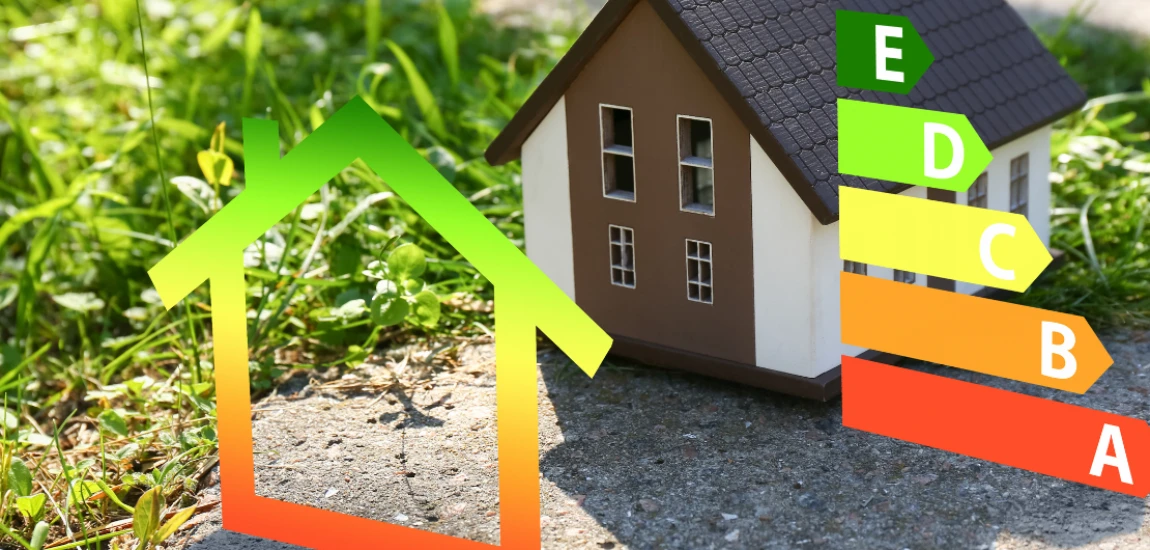
Tourism destinations depend on a wide range of resources to function effectively. Water supplies hotels and restaurants, energy powers buildings and transportation, land supports tourism infrastructure, roads connect attractions, public spaces accommodate visitors, and local communities provide much of the workforce and cultural value that make destinations attractive.
As tourism demand grows and visitor expectations change, destinations face an important challenge: how can available resources be used more efficiently without reducing visitor satisfaction or harming local communities and the environment?
Tourism Resource Optimization Models provide a structured approach to answering this question. These models use tourism data, forecasting, technology, operational information, environmental indicators, and resource-use patterns to help destinations allocate resources more effectively.
Resource optimization is different from simply reducing consumption. A destination might reduce water use by restricting access, but that may not always be the most effective solution. Optimization looks at the relationship between demand, capacity, resource availability, environmental conditions, economic value, and visitor needs.
For example, if visitor demand increases during a particular season, a destination may need more transportation, staff, water, energy, waste management, and public services. Optimization models can help identify where additional resources are required and where existing resources can be used more efficiently.
The objective is to create a balanced tourism system in which resources are available where they are most needed while unnecessary waste, congestion, overcapacity, and environmental pressure are minimized.
Understanding Tourism Resource Optimization Models

Tourism Resource Optimization Models are analytical frameworks used to improve the allocation and management of resources within tourism destinations. They bring together information about demand, capacity, infrastructure, environmental conditions, businesses, and visitor behavior.
What is tourism resource optimization?
Resource optimization means using available resources as effectively as possible.
In tourism, these resources can include:
water;
energy;
land;
transportation;
public infrastructure;
accommodation capacity;
tourism staff;
food;
financial investment;
cultural assets; and
natural resources.
Optimization does not necessarily mean using the smallest possible amount of a resource. Instead, it means finding an appropriate balance between resource availability and tourism demand.
For example, a destination may need additional buses during peak periods but fewer buses during quiet periods. A dynamic transportation plan can allocate vehicles according to demand instead of maintaining the same level of service throughout the year.
Why resource optimization matters
Tourism resources are often interconnected.
Higher visitor numbers can increase water consumption, energy use, waste generation, traffic, and demand for public spaces.
If these pressures are not managed, destinations may experience congestion, environmental degradation, infrastructure stress, and declining visitor satisfaction.
Resource optimization helps destination managers understand these relationships and make better allocation decisions.
From traditional planning to intelligent optimization
Traditional resource planning often relies on fixed assumptions.
For example, a destination may estimate annual water requirements based on previous years. However, tourism demand can change quickly.
Optimization models can incorporate current and predicted demand, weather conditions, seasonal patterns, visitor flows, infrastructure capacity, and environmental constraints.
This creates a more flexible system capable of adjusting to changing tourism conditions.
Optimizing Water, Energy, and Natural Resources

Natural resources are fundamental to tourism. Hotels, restaurants, attractions, transportation systems, and public facilities all depend on water and energy. Effective resource optimization can reduce pressure while maintaining service quality.
Improving tourism water management
Water is particularly important for destinations with limited supplies or seasonal shortages.
Tourism businesses can use water-efficient fixtures, smart irrigation, leak detection systems, wastewater treatment, rainwater harvesting, and appropriate reuse systems.
Optimization models can help identify where water demand is highest.
For example, a destination could compare water consumption among accommodation areas, restaurants, attractions, and public facilities.
This information can help identify opportunities for improvement.
Instead of applying the same water-saving measures everywhere, managers can prioritize areas where the greatest efficiency gains are possible.
Optimizing energy consumption
Energy demand can vary significantly depending on occupancy, weather, building design, transportation activity, and visitor behavior.
Smart energy systems can monitor consumption and identify periods of unusually high demand.
Hotels can use occupancy-based heating and cooling systems, efficient lighting, renewable energy, smart building controls, and energy monitoring.
At the destination level, optimization models can compare energy demand across tourism zones and identify opportunities for efficiency.
Protecting natural resources
Natural resources are also tourism assets.
Beaches, forests, rivers, mountains, wildlife habitats, and cultural landscapes attract visitors but can be damaged by excessive use.
Resource optimization can help determine where tourism activity should be concentrated, where access may need to be controlled, and which areas require stronger conservation measures.
This creates a balance between tourism access and long-term resource protection.
Optimizing Tourism Infrastructure and Capacity

Infrastructure is another major component of destination resource management. Roads, public transportation, accommodation, attractions, waste systems, water networks, public spaces, and digital infrastructure must support visitor demand.
Matching infrastructure with demand
Infrastructure should be planned according to actual and expected tourism needs.
If a destination has large accommodation capacity but insufficient transportation, visitors may experience congestion and delays.
If an attraction receives large visitor volumes but has limited sanitation facilities, service quality and environmental conditions can deteriorate.
Tourism resource optimization models can compare demand with infrastructure capacity and identify gaps.
This helps planners prioritize investment.
Managing accommodation capacity
Accommodation is one of the most visible tourism resources.
Occupancy rates can vary significantly across seasons. During peak periods, accommodation may become scarce, while during low seasons, many rooms may remain unused.
Optimization models can help destinations understand these patterns.
Rather than simply building more hotels, planners can evaluate whether existing accommodation is being used efficiently, whether demand is concentrated geographically, and whether alternative lodging options can support visitor needs.
Improving public infrastructure
Public infrastructure serves both residents and visitors.
Parks, roads, sidewalks, transportation systems, public toilets, waste collection, lighting, and public spaces must accommodate changing demand.
Optimization can help identify where investment is most needed.
For example, visitor flow data may show that a particular area receives large numbers of visitors during weekends. Rather than expanding infrastructure everywhere, destination managers can prioritize improvements in that location.
This makes infrastructure investment more targeted and efficient.
Using Data and Technology for Tourism Resource Optimization

Modern tourism destinations generate large amounts of information. When used responsibly, this information can support more accurate resource planning.
Using tourism data
Important tourism datasets can include visitor arrivals, accommodation occupancy, transportation use, attraction attendance, spending patterns, seasonal demand, and length of stay.
Environmental data can include water consumption, energy use, waste generation, air quality, temperature, and ecosystem conditions.
Combining these datasets provides a broader understanding of how tourism demand affects resource use.
Artificial intelligence and predictive analytics
Artificial intelligence can help identify relationships between tourism demand and resource requirements.
For example, predictive models can estimate future visitor demand and use those forecasts to anticipate transportation, energy, water, staffing, and waste-management requirements.
Machine learning can also identify unusual resource consumption patterns.
If energy use suddenly increases in a tourism facility without a corresponding increase in occupancy, an intelligent system could flag the situation for investigation.
Internet of Things and smart sensors
IoT sensors can provide real-time information about destination resources.
Smart meters can monitor electricity and water use. Sensors can measure traffic conditions, parking availability, air quality, temperature, waste-bin capacity, and pedestrian movement.
Real-time data allows resource managers to respond more quickly.
For example, waste collection can be scheduled according to actual bin capacity rather than following a fixed schedule.
This can reduce unnecessary trips while ensuring that waste systems respond to visitor demand.


Gary Arndt operates "Everything Everywhere," a blog focusing on worldwide travel. An award-winning photographer, Gary shares stunning visuals alongside his travel tales.
Gary Arndt

Prev Post

Next Post