
Intelligent Destination Networks – Connecting Tourism Services Through Smart Systems
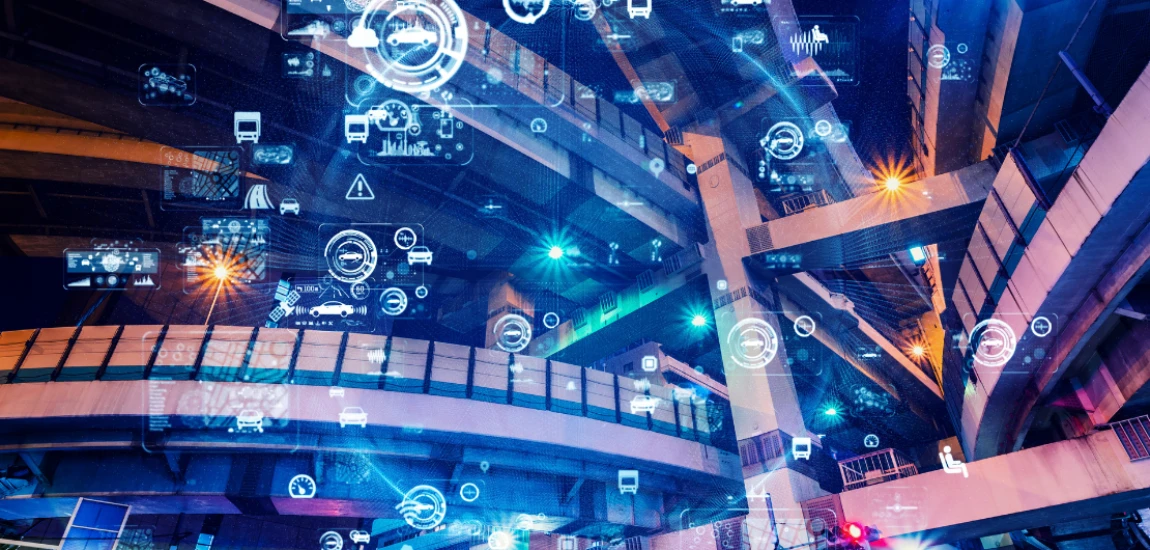
Tourism destinations are made up of many interconnected services. Hotels provide accommodation, restaurants provide food, transportation connects different locations, attractions create visitor experiences, local businesses supply products and services, and destination organizations coordinate tourism activities. When these services operate separately, visitors may experience disconnected journeys, inefficient information systems, transportation difficulties, overcrowding, or inconsistent service quality.
Intelligent Destination Networks provide a way to connect these different tourism components through smart systems, shared information, digital platforms, and coordinated decision-making. Instead of treating hotels, attractions, transportation, businesses, and public services as independent parts of tourism, intelligent destination networks view them as components of one connected destination ecosystem.
A visitor's journey can involve dozens of interactions. They may search for a destination, book transportation, reserve accommodation, visit attractions, use public transportation, purchase food, interact with local businesses, and share feedback online. Each interaction produces information that can potentially improve future tourism planning.
Smart destination systems can connect these interactions and make relevant information available to tourism stakeholders. Real-time transportation information can improve mobility. Visitor flow data can help manage congestion. Hotel occupancy data can provide insights into demand. Digital visitor platforms can help travelers discover attractions and local services.
The goal is not simply to introduce more technology. The purpose is to create connected tourism ecosystems in which technology improves coordination, efficiency, accessibility, sustainability, and visitor experiences.
Understanding Intelligent Destination Networks

Intelligent Destination Networks are interconnected systems that link tourism services, infrastructure, businesses, visitors, communities, and destination management organizations through digital technologies and shared information.
What makes a destination network intelligent?
A traditional tourism network may already contain hotels, restaurants, attractions, transportation providers, and tourism authorities. However, these organizations may operate independently and maintain separate information systems.
An intelligent network connects these components.
For example, transportation data can be connected with attraction schedules. Accommodation information can be connected with visitor services. Digital maps can display events, restaurants, attractions, transportation options, and accessibility information in one environment.
The intelligence comes from the ability to collect information, share it, analyze it, and use it to improve decisions.
Connecting the tourism ecosystem
Tourism is a complex ecosystem. A change in one part can influence other parts.
If an attraction becomes unexpectedly popular, nearby transportation demand may increase. Restaurants may experience higher customer volumes. Parking facilities may become crowded. Public spaces may experience additional pressure.
An intelligent destination network can identify these relationships.
Rather than responding to each issue separately, destination managers can use connected information to understand the wider situation.
Moving from isolated services to connected experiences
Visitors generally experience a destination as one journey rather than as separate businesses.
They may not distinguish between transportation, accommodation, attractions, and visitor information when evaluating their overall trip.
Intelligent destination networks therefore focus on the complete visitor journey.
The objective is to make information more accessible, services more coordinated, and transitions between different tourism activities smoother.
This can improve the overall visitor experience while also helping tourism organizations operate more efficiently.
The Technology Behind Smart Destination Networks

Technology provides the infrastructure needed to connect tourism services. However, effective intelligent destination networks usually involve multiple technologies working together rather than one single system.
Internet of Things and connected infrastructure
Internet of Things technology can connect physical infrastructure with digital systems.
Sensors can monitor transportation conditions, pedestrian movement, environmental conditions, energy consumption, parking availability, or facility usage.
For example, smart parking systems can provide information about available spaces. Environmental sensors can monitor air quality or temperature. Building systems can track energy consumption.
These data points can contribute to a broader destination intelligence platform.
Artificial intelligence and data analytics
Artificial intelligence can help analyze large quantities of tourism data.
AI systems can identify patterns in visitor demand, detect unusual changes, support customer service, personalize recommendations, and assist destination managers with forecasting.
For example, an intelligent destination system could analyze visitor movement and identify areas experiencing increasing congestion.
AI can also help tourism businesses understand demand patterns and improve resource planning.
Cloud platforms and digital integration
Cloud-based systems can allow different tourism organizations to exchange information without requiring every organization to maintain the same physical infrastructure.
A destination platform could integrate information from hotels, transportation providers, attractions, events, restaurants, and public services.
APIs and other data-sharing mechanisms can help different systems communicate.
This creates a connected digital ecosystem in which information can move between services more efficiently.
The technology itself, however, is only one component. Successful intelligent destination networks also require data governance, privacy protection, interoperability standards, stakeholder collaboration, and clear operational objectives.
Connecting Hotels, Attractions, Transportation, and Local Businesses

One of the greatest benefits of intelligent destination networks is the ability to connect services that visitors use throughout their journey.
Smart accommodation networks
Hotels and other accommodation providers generate valuable information about visitor demand, booking patterns, occupancy, length of stay, and guest preferences.
When appropriately shared and protected, this information can contribute to destination-level planning.
Accommodation providers can also connect visitors with transportation, attractions, restaurants, events, and local experiences through digital platforms.
This creates a more integrated visitor journey.
Intelligent attractions and experiences
Attractions can use smart systems to manage reservations, visitor capacity, ticketing, schedules, and real-time information.
Digital platforms can inform visitors about busy periods, available time slots, nearby attractions, and transportation options.
This can improve visitor distribution and reduce unnecessary waiting.
Museums, parks, heritage sites, cultural venues, and entertainment destinations can also use visitor data to improve operations and understand demand.
Connected transportation services
Transportation is one of the most important elements of a destination network.
Visitors need reliable information about buses, trains, taxis, walking routes, cycling options, parking, and other mobility services.
Intelligent mobility systems can provide real-time information and help visitors select appropriate travel options.
Transportation data can also help destination managers identify congestion and changing mobility patterns.
Connecting transportation with tourism attractions can make it easier to coordinate visitor flows.
Supporting local businesses
Intelligent destination networks should include small and local businesses, not only large tourism organizations.
Restaurants, artisans, tour guides, local producers, cultural organizations, and community enterprises can benefit from digital visibility.
A destination platform can help visitors discover local services while providing businesses with opportunities to participate in the tourism ecosystem.
This can strengthen local tourism economies and increase the diversity of visitor experiences.
Improving Visitor Experiences Through Intelligent Connectivity

The ultimate purpose of connected destination systems is not technology for its own sake. It is to improve the way visitors experience destinations.
Personalized travel information
Visitors have different interests, budgets, mobility needs, time constraints, and preferences.
Intelligent destination networks can combine relevant information to provide more personalized recommendations.
For example, a visitor interested in cultural experiences could receive information about museums, heritage sites, cultural events, local restaurants, and nearby transportation.
Another visitor interested in outdoor activities could receive information about trails, parks, weather conditions, equipment services, and suitable transportation.
Personalization can make destination information more useful and easier to navigate.
Real-time destination information
Travel conditions can change quickly.
Transportation delays, weather conditions, attraction capacity, temporary closures, events, and congestion can affect visitor decisions.
Real-time destination platforms can communicate relevant changes.
This allows visitors to make better decisions during their trip rather than relying only on information collected before arrival.
Creating seamless visitor journeys
Visitors often move between multiple digital and physical systems during a trip.
They may use one application for transportation, another for attraction tickets, a website for accommodation, and a separate platform for restaurants.
Intelligent destination networks can reduce this fragmentation by bringing relevant services together.
A connected destination platform could provide maps, transportation information, attraction schedules, event listings, local businesses, accessibility information, and visitor guidance in one ecosystem.
This creates a more seamless travel experience.


Shivya Nath authors "The Shooting Star," a blog that covers responsible and off-the-beaten-path travel. She writes about sustainable tourism and community-based experiences.
Shivya Nath

Prev Post

Next Post