
Intelligent Travel Accessibility Systems – Improving Travel Access for Diverse Visitors
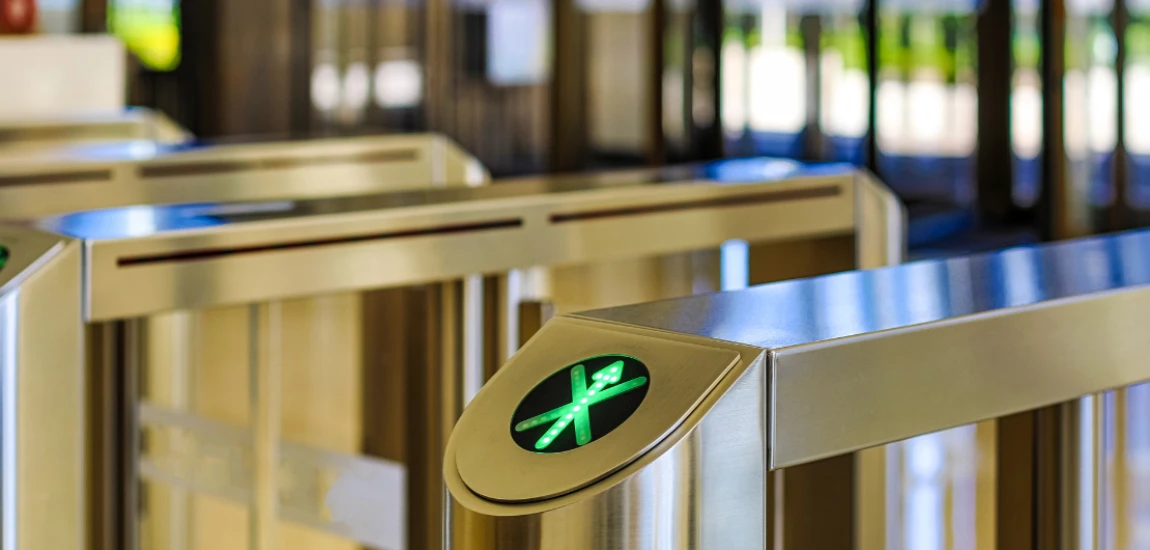
Travel should be an opportunity for people to explore new places, experience different cultures, connect with communities, and enjoy memorable activities. However, many visitors encounter barriers that can make travel difficult. These barriers may involve physical infrastructure, transportation, accommodation, communication, digital information, sensory environments, or the availability of appropriate services.
Accessibility is therefore an important part of modern tourism planning.
Intelligent Travel Accessibility Systems combine inclusive design, technology, infrastructure, data, transportation, tourism services, and visitor information to make destinations easier to navigate and experience for people with diverse needs.
Accessibility is not limited to wheelchair access. Travelers may have mobility, vision, hearing, cognitive, sensory, communication, or age-related needs. Families traveling with young children, people carrying luggage, and visitors temporarily affected by injury can also benefit from accessible design.
An intelligent accessibility system considers these different needs throughout the entire travel journey.
A visitor may need accessible information before booking a trip, step-free transportation after arrival, an accessible hotel room, clear signage, quiet spaces, accessible attractions, and reliable information about facilities.
If one part of the journey is inaccessible, the entire travel experience can become more difficult.
This is why accessibility needs to be considered as a connected system rather than a collection of individual facilities.
Understanding Intelligent Travel Accessibility Systems

What Intelligent Travel Accessibility Means
Intelligent Travel Accessibility Systems are integrated approaches that use inclusive design, technology, data, infrastructure, and tourism services to improve access for diverse visitors.
Traditional accessibility planning often focuses on individual facilities, such as ramps, elevators, accessible bathrooms, or reserved parking spaces.
These facilities remain important, but intelligent accessibility goes further.
It examines the complete visitor journey.
For example, an accessible hotel may still be difficult to reach if public transportation does not provide suitable access. An accessible museum may be challenging to navigate if its website does not provide accurate accessibility information.
An intelligent system connects these elements.
Why Accessibility Matters in Tourism
Tourism destinations serve diverse populations.
Older travelers, people with disabilities, families, and visitors with different sensory or cognitive preferences all have different requirements.
Improving accessibility can make tourism more welcoming while also improving convenience for many other travelers.
A step-free entrance helps wheelchair users, but it can also help people with luggage or parents using strollers.
Clear digital information can support visitors with disabilities while also helping international travelers understand unfamiliar transportation systems.
Accessibility therefore benefits a broad range of visitors.
Moving Toward Universal Travel Design
Universal travel design aims to create environments that can be used by as many people as possible without requiring separate or specialized solutions whenever practical.
This can include step-free routes, readable signage, accessible websites, comfortable public spaces, clear audio information, visual alerts, and flexible service options.
The goal is to reduce unnecessary barriers throughout the travel journey.
Creating Accessible Transportation Networks

Designing Barrier-Free Transportation
Transportation is one of the most important components of accessible tourism.
Visitors need to travel from airports and railway stations to hotels, attractions, restaurants, shopping areas, and public spaces.
Accessible buses, trains, taxis, shuttle services, and pedestrian routes can make these connections easier.
Features may include low-floor vehicles, ramps, elevators, priority seating, accessible boarding areas, audible announcements, visual information, and appropriate space for mobility devices.
Accessibility should extend across the entire transportation network rather than being limited to individual vehicles.
Improving Accessible Routes
A destination can use mapping technologies to identify accessible routes between important tourism locations.
For example, a digital travel platform could identify step-free paths from a railway station to a hotel or from a hotel to a museum.
Information could include elevator availability, accessible entrances, sidewalk conditions, slopes, crossing points, and accessible restrooms.
Accurate information is important because visitors need to know whether a route is genuinely suitable for their needs.
Connecting Different Transport Modes
Travelers often use multiple forms of transportation during one journey.
They may fly to a destination, take a train, use a bus, and then walk to their accommodation.
Accessibility can be lost when travelers transfer between systems.
Intelligent travel accessibility planning can examine these connections and identify gaps.
A destination can then improve transfer points, signage, information systems, and assistance services.
Improving Accessible Accommodation and Visitor Facilities

Designing Inclusive Accommodation
Hotels, guesthouses, resorts, hostels, and other accommodations play a central role in accessible tourism.
Accessible rooms can include step-free entrances, appropriate bathroom layouts, accessible showers, grab rails, adequate circulation space, visual alarms, and suitable bed configurations.
However, accessibility requirements vary among travelers.
Some visitors may need mobility features, while others may require low-sensory environments, visual communication, or specific room layouts.
Accommodation providers should therefore provide clear and accurate accessibility information.
Making Attractions More Accessible
Museums, parks, historic sites, entertainment venues, beaches, restaurants, and cultural attractions should consider accessibility throughout their design and operation.
Accessible entrances are only one element.
Visitors may also need accessible paths, seating, rest areas, toilets, elevators, audio description, captions, tactile information, and staff assistance.
Where historic buildings cannot easily be modified, alternative access solutions and high-quality digital interpretation can help provide broader access while respecting conservation requirements.
Improving Public Spaces
Public spaces connect different tourism facilities.
Parks, sidewalks, plazas, waterfronts, markets, and pedestrian streets should therefore be part of accessibility planning.
Smooth surfaces, appropriate seating, shade, accessible toilets, clear pathways, and safe crossings can improve visitor comfort.
Well-designed public spaces can make destinations more welcoming for everyone.
Using Technology to Improve Travel Accessibility

Developing Accessible Digital Information
Travelers often research accessibility before leaving home.
Destination websites, booking platforms, maps, and mobile applications should provide clear information about accessibility features.
Descriptions should be specific rather than using vague terms such as "accessible."
Information might explain whether an entrance is step-free, whether an elevator is available, how wide a doorway is, whether accessible parking exists, or whether captions and audio descriptions are provided.
Accurate information helps visitors make informed travel decisions.
Using Smart Maps and Real-Time Information
Intelligent accessibility platforms can provide route information based on individual needs.
For example, a visitor could select preferences such as:
Step-free routes
Low-slope routes
Quiet routes
Accessible public transportation
Accessible restrooms
Wheelchair-friendly attractions
Real-time information can make these systems even more useful.
If an elevator is temporarily unavailable, the system could identify an alternative route.
Artificial Intelligence and Personalized Support
Artificial intelligence can potentially help visitors organize accessible travel itineraries based on their requirements.
An intelligent travel assistant could identify suitable attractions, transportation options, hotels, restaurants, and routes.
However, accessibility information should be verified and kept current.
Incorrect information can create serious difficulties for travelers, so technology should support reliable data collection and human oversight.


Kate McCulley, the voice behind "Adventurous Kate," provides travel advice tailored for women. Her blog encourages safe and adventurous travel for female readers.
Kate McCulley

Prev Post

Next Post