
Tourism Knowledge Exchange and Innovation Ecosystems: Building Smarter Travel Solutions Through Collaboration
The tourism industry is constantly changing as travelers adopt new technologies, destinations face environmental pressures, and communities seek greater economic and social benefits from tourism. To respond effectively, tourism organizations need more than individual expertise or isolated innovation projects. They need ways to exchange knowledge, share practical experience, and transform new ideas into solutions that benefit visitors, businesses, and local communities.
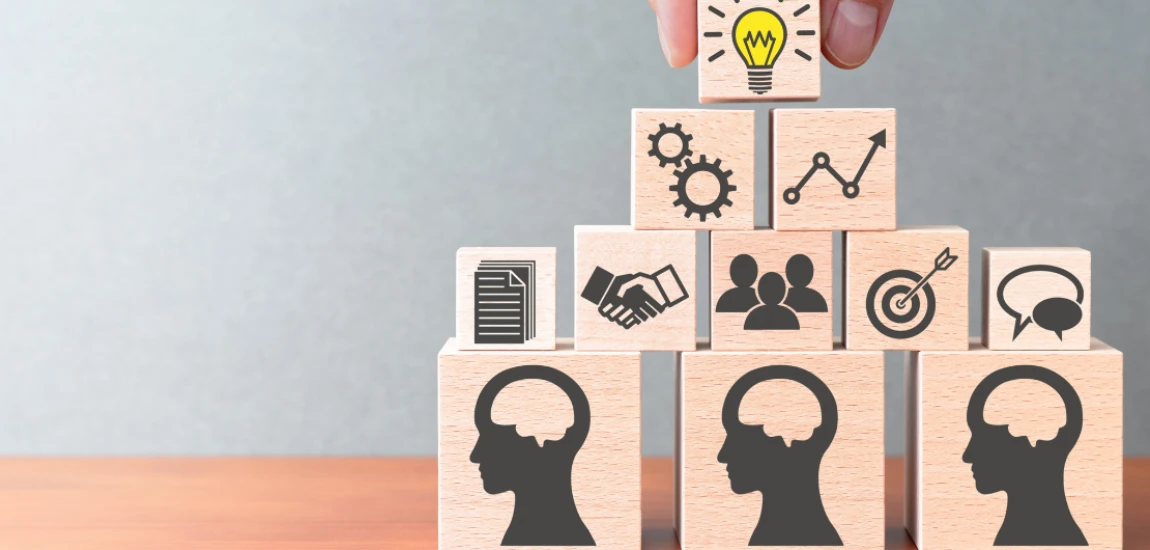
**Tourism Knowledge Exchange and Innovation Ecosystems** provide a collaborative approach to achieving these goals. They connect researchers, destination managers, tourism businesses, technology providers, policymakers, educational institutions, and community organizations in a shared environment where information and ideas can move between different stakeholders.
For example, university researchers may identify visitor behavior patterns, local businesses may explain changing customer expectations, and technology providers may develop digital tools to address operational challenges. Destination managers can bring these contributions together to improve visitor experiences, manage tourism demand, and support long-term development.
Knowledge exchange also helps destinations avoid repeating unsuccessful experiments and makes it easier to adapt successful solutions to local conditions. Instead of treating innovation as the responsibility of a single organization, an innovation ecosystem encourages continuous learning and shared problem-solving.
By strengthening collaboration, tourism destinations can develop more inclusive services, improve resource efficiency, support local entrepreneurship, and respond more effectively to emerging travel trends. Building these ecosystems requires trust, accessible information, effective partnerships, and a clear understanding of how shared knowledge can create practical value.
Understanding Tourism Knowledge Exchange and Innovation Ecosystems

Tourism knowledge exchange and innovation ecosystems combine people, organizations, information, and resources to support continuous improvement throughout the tourism industry. Their purpose is to make knowledge useful beyond the organization or community where it was originally created.
Connecting Different Types of Knowledge
Tourism knowledge comes from many sources. Academic researchers contribute studies, statistical analysis, and evidence about visitor behavior. Destination managers understand local infrastructure, seasonal demand, and operational challenges. Tourism businesses contribute commercial experience, while local residents offer valuable knowledge about cultural heritage, community priorities, and environmental conditions.
Technology providers introduce tools such as artificial intelligence, digital booking platforms, geographic information systems, and data analytics. Policymakers contribute regulations, development priorities, and public-sector resources.
A knowledge exchange ecosystem creates opportunities for these different forms of expertise to work together. For example, researchers studying overcrowding may collaborate with attraction managers and residents to identify areas under pressure. Technology specialists can then help develop a visitor distribution system that encourages travelers to explore less crowded locations.
Combining evidence with practical experience often produces solutions that are more realistic and useful than ideas developed by one stakeholder group alone.
Moving from Information Sharing to Innovation
Sharing information is only the beginning. Effective knowledge exchange encourages participants to apply insights, test ideas, evaluate results, and improve existing services.
A destination might organize workshops where hotel managers, tour operators, researchers, and community representatives examine visitor feedback. Their findings could lead to improved transport connections, better cultural interpretation, or new locally managed tourism experiences.
Successful ecosystems create a continuous cycle of learning rather than treating each project as a separate activity.
Building a Collaborative Innovation Culture
Trust is essential because organizations may hesitate to share commercially sensitive information or acknowledge operational difficulties. Clear agreements, transparent decision-making, and recognition of contributions can encourage participation.
Destinations should also make collaboration accessible to small businesses, independent guides, artisans, and community groups that may lack the resources of larger organizations.
Ultimately, tourism knowledge exchange becomes valuable when shared expertise leads to measurable improvements in visitor experiences, business performance, destination management, and community wellbeing.
Connecting Researchers, Universities, and Tourism Industry Professionals

Research can help the tourism industry understand complex challenges, but findings are not always translated into practical business decisions. Strong partnerships between researchers and industry professionals help close this gap.
Turning Research into Practical Tourism Solutions
Universities and research institutions can investigate visitor motivations, spending patterns, environmental impacts, accessibility needs, and changing travel preferences.
However, research becomes more useful when tourism professionals help identify the questions that matter most. Hotel operators may need better demand forecasts, while cultural attractions may want to understand how visitors engage with heritage experiences.
Joint research projects can address these needs while giving researchers access to real-world operating conditions.
For example, a university could collaborate with a destination management organization to examine seasonal visitor flows. Researchers may analyze transport records and visitor surveys, while local businesses explain how demand changes affect staffing and revenue. The resulting recommendations could support improved scheduling, marketing, and resource allocation.
Creating Research Partnerships and Living Laboratories
Tourism innovation laboratories provide spaces where researchers, businesses, public authorities, and communities can test ideas in real destinations.
These projects may involve trialing digital visitor guides, measuring the effectiveness of low-impact transport options, or evaluating new approaches to accessible tourism.
Pilot projects allow participants to identify problems before investing in large-scale implementation. They also create opportunities for students and early-career researchers to develop practical skills.
Universities can strengthen these relationships through internships, applied research programs, joint workshops, and shared innovation projects.
Making Research Accessible to Decision-Makers
Research findings often contain technical language that is difficult for busy tourism professionals to apply. Knowledge exchange programs should translate complex findings into practical guides, short reports, training sessions, and clear recommendations.
For example, a detailed study on visitor carrying capacity could be converted into a destination planning toolkit that explains how to monitor visitor pressure and determine when management measures are needed.
Researchers should also communicate uncertainty and explain the limitations of their findings.
When research is accessible, relevant, and developed collaboratively, tourism organizations can make better-informed decisions and introduce innovations supported by evidence rather than assumptions.
Empowering Local Communities Through Knowledge Sharing

Local communities are central to tourism innovation because residents experience the benefits and pressures associated with tourism development. Their participation helps ensure that new solutions reflect local priorities rather than focusing exclusively on visitor demand or business growth.
Recognizing Local and Traditional Knowledge
Residents possess knowledge about local history, cultural practices, seasonal conditions, traditional crafts, food systems, and community needs. This knowledge can help tourism businesses create experiences that are distinctive, authentic, and respectful.
For example, local artisans may collaborate with tour operators to develop workshops that introduce visitors to traditional techniques. Community historians can help design heritage walks, while local environmental groups can advise on sensitive natural areas.
These collaborations can create additional income opportunities while supporting cultural continuity.
Knowledge exchange should recognize that community knowledge has value. Participants should be credited appropriately, and any commercial use of traditional knowledge should follow fair agreements and relevant cultural protections.
Supporting Community-Led Innovation
Community organizations should have opportunities to identify problems, propose projects, and participate in decisions.
A village experiencing seasonal visitor congestion, for instance, may develop locally guided routes that distribute visitors across different areas. Residents could work with destination managers to improve signage, establish visitor guidelines, and promote locally owned businesses.
Small grants, mentoring, digital skills training, and shared marketing resources can help community-led ideas become viable tourism products.
Projects should also consider whether benefits reach a broad range of residents, including young people, small entrepreneurs, and people who may otherwise have limited access to tourism opportunities.
Building Trust and Sharing Benefits Fairly
Meaningful collaboration requires transparent communication about expected benefits, possible disruptions, and decision-making authority.
Communities should be involved early enough to influence projects rather than being consulted only after major decisions have been made.
Destinations can measure success through local employment, participation in tourism businesses, resident satisfaction, and the proportion of visitor spending retained within the community.
When local knowledge is respected and residents share in the benefits of innovation, tourism development is more likely to earn community support and deliver lasting value.


Gary Arndt operates "Everything Everywhere," a blog focusing on worldwide travel. An award-winning photographer, Gary shares stunning visuals alongside his travel tales.
Gary Arndt
Prev Post

Next Post