
Circular Hospitality Innovation Architecture: Building a Waste-Free and Sustainable Tourism Industry
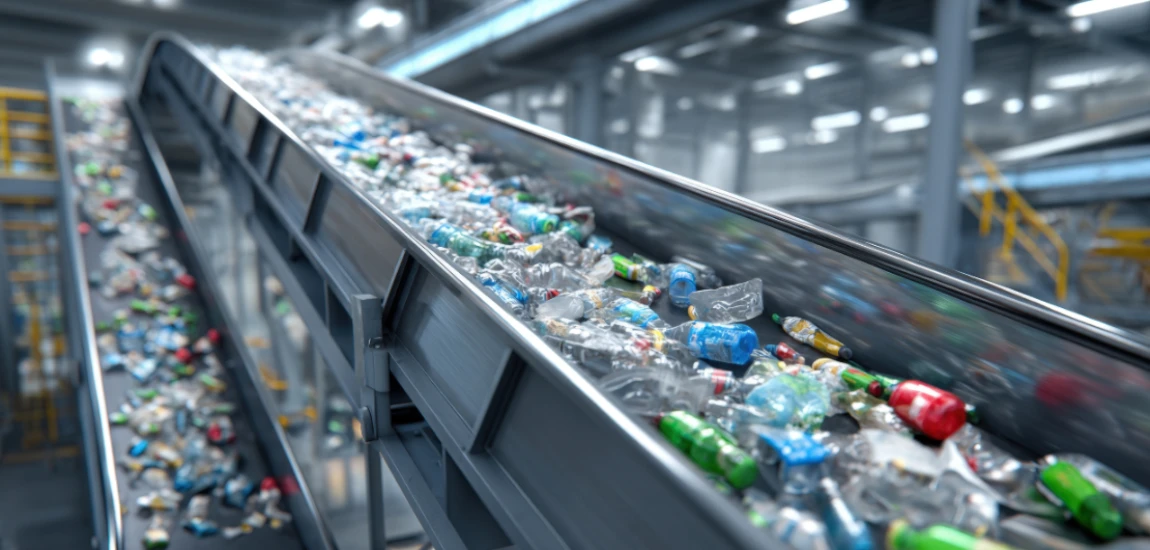
The hospitality industry depends on a continuous flow of food, packaging, water, energy, furniture, textiles, and other materials. Hotels welcome guests, restaurants prepare meals, suppliers deliver products, and cleaning teams maintain comfortable environments. However, these activities can generate significant waste, from discarded food and single-use packaging to damaged furniture, used cooking oil, and outdated equipment.
Circular Hospitality Innovation Architecture provides a strategic framework for addressing these challenges. It connects hotels, restaurants, suppliers, recycling companies, repair businesses, and local communities in a coordinated system designed to keep valuable resources in use for as long as possible.
Instead of following the traditional linear model of purchasing, consuming, and disposing, circular hospitality focuses on preventing waste, reusing materials, recovering resources, and redesigning operations. Digital tracking, responsible procurement, shared logistics, and partnerships help hospitality businesses improve environmental performance while controlling operating costs.
This approach makes sustainability part of everyday business strategy rather than a separate environmental initiative. By adopting circular hospitality systems, destinations can reduce landfill waste, strengthen local supply chains, improve resource efficiency, and create a more resilient tourism economy.
Understanding Circular Hospitality Innovation Architecture

Moving beyond the traditional linear hospitality model
Traditional hospitality operations often follow a linear pattern: businesses purchase products, use them to deliver guest services, and discard materials when they are no longer needed. Food scraps, disposable packaging, damaged linens, and obsolete equipment can become waste even when some materials retain value.
Circular hospitality innovation architecture replaces this pattern with a coordinated approach to resource management. Products are selected for durability, materials are reused where safe, waste streams are separated, and suitable resources are returned to productive use.
For example, a hotel can work with suppliers to reduce unnecessary packaging, donate suitable surplus food through approved programs, send used cooking oil to an authorized recovery partner, and repair furniture instead of replacing it immediately.
The objective is to prevent waste at its source before investing in downstream recycling solutions.
Connecting the hospitality value chain
Circular systems work best when individual businesses cooperate. Hotels generate laundry textiles, food waste, packaging, and maintenance materials. Restaurants produce food scraps, cooking oil, and containers. Suppliers can redesign packaging, while recycling partners collect and process suitable materials.
A coordinated architecture establishes how these participants share resources, communicate requirements, and measure results. Standardized collection schedules, clear material specifications, and reliable reporting help prevent recyclable materials from becoming contaminated or unnecessarily discarded.
Local partnerships can also create economic opportunities for repair services, composting facilities, reusable packaging providers, and small businesses that process recovered materials.
Creating environmental and economic value
Circular hospitality can reduce purchasing expenses, waste collection charges, and dependence on newly extracted resources. It can also improve supply-chain resilience by creating alternative sources of reusable materials and encouraging local procurement.
However, circular solutions must be evaluated carefully. Reusable products require washing, transportation, and maintenance, while recycling systems depend on suitable facilities and markets. Businesses should compare environmental impacts across the entire lifecycle rather than assuming every reuse or recycling option is automatically beneficial.
Redesigning Sustainable Procurement and Supplier Partnerships

Choosing products designed for circular use
Sustainable procurement is one of the most effective starting points for circular hospitality. Purchasing teams can prioritize durable furniture, refillable amenities, recyclable packaging, repairable equipment, reusable food containers, and products made with responsibly recovered materials.
Suppliers should provide information about product composition, expected lifespan, repair options, packaging requirements, and end-of-life handling. These details allow hotels and restaurants to evaluate the long-term costs and environmental impacts of purchasing decisions.
For example, replacing individually packaged toiletries with well-maintained refillable dispensers can reduce packaging waste. Similarly, purchasing furniture with replaceable components can extend product life and reduce unnecessary disposal.
Food procurement also matters. Better demand planning, seasonal menus, and suitable portion sizes can reduce spoilage before food enters the kitchen.
Building circular supplier agreements
Hospitality businesses can collaborate with suppliers to reduce packaging and recover materials after delivery. Reusable transport crates, refillable containers, returnable beverage packaging, and consolidated deliveries may reduce waste and unnecessary transport.
Supplier agreements should define responsibilities for collection, cleaning, reverse logistics, material quality, and reporting. Businesses can also establish targets for packaging reduction or recycled content where suitable and verifiable.
Smaller hotels and independent restaurants may achieve better results by joining purchasing groups or local hospitality networks. Shared agreements can improve bargaining power and make reusable systems more affordable.
Evaluating suppliers beyond purchase price
The cheapest product is not always the least expensive option over its full useful life. Durable products may cost more initially but require fewer replacements. Reusable packaging may reduce disposal costs, while repairable equipment can minimize operational interruptions.
Procurement teams should compare purchase price, maintenance, transportation, durability, waste handling, and end-of-life costs.
Regular supplier reviews help determine whether circular commitments are delivering measurable benefits. Businesses should prioritize realistic improvements, transparent documentation, and long-term cooperation rather than relying only on sustainability claims.
Reducing Food Waste and Recovering Organic Resources

Preventing food waste in kitchens and restaurants
Food waste is a major opportunity for circular hospitality innovation. Hotels, buffets, restaurants, and catering services may discard food because of inaccurate demand forecasts, oversized portions, poor storage practices, or overproduction.
Businesses can begin by measuring food waste by category, including preparation scraps, spoiled ingredients, and uneaten meals. This information helps kitchen managers identify recurring problems and adjust purchasing quantities, menus, preparation schedules, and portion sizes.
Demand forecasting can combine occupancy rates, reservation information, event schedules, historical sales, and seasonal patterns to estimate food requirements more accurately.
Buffet operations can introduce smaller replenishment batches, while restaurants can improve ingredient planning and use suitable edible ingredients across multiple menu items. Food safety requirements must always guide storage, reuse, and donation decisions.
Recovering surplus food responsibly
When safe and legally permitted, suitable surplus food can be redirected to community organizations, food banks, or approved redistribution programs. Clear procedures are needed for food handling, temperature control, labeling, collection times, and traceability.
Donation should complement waste prevention rather than encourage businesses to overproduce. Reliable coordination between kitchens and recipient organizations helps ensure that surplus food reaches people in time and remains safe to consume.
Where food is no longer suitable for human consumption, other approved recovery pathways may be available.
Turning organic waste into useful resources
Unavoidable food scraps and suitable organic materials can be processed through composting or anaerobic digestion, depending on local infrastructure and regulations. Compost can support landscaping or agricultural applications when it meets appropriate quality requirements, while anaerobic digestion can produce biogas and a digestate that requires proper management.
Hotels and restaurants should separate organic waste from plastics, glass, chemicals, and other contaminants. They should also verify that their recovery partners actually process the materials as promised.
A practical food circularity strategy follows a clear hierarchy: prevent avoidable waste first, redistribute suitable surplus, and recover remaining organic materials through safe, appropriate systems.
Creating Effective Material Recovery and Recycling Networks

Identifying valuable hospitality waste streams
Hospitality operations generate many materials that may retain value after their initial use. These include cardboard, glass bottles, metals, selected plastics, used cooking oil, textiles, electronic equipment, and furniture.
A waste audit can identify how much of each material is generated, where it originates, and whether a reliable recovery route exists. This information allows managers to design collection points and purchasing procedures around actual operating conditions.
For example, a hotel may discover that beverage packaging represents a large share of its waste. It could respond by introducing returnable bottles, separating recyclable glass, and coordinating collection schedules with a verified local partner.
Materials should be separated according to local recycling requirements because collection systems and processing capabilities vary by region.
Establishing partnerships with recycling and recovery providers
Recycling partners provide the infrastructure needed to collect, transport, sort, repair, remanufacture, or process materials. Circular hospitality architecture formalizes these relationships through service agreements, material specifications, collection schedules, and performance reporting.
Businesses should verify that providers have appropriate permits where required and can explain the destination of collected materials. This helps reduce the risk of recyclable materials being dumped or processed under unsuitable conditions.
Reverse logistics can make collection more efficient by allowing delivery vehicles to return reusable containers or recoverable materials during existing routes.
Reusing textiles, furniture, and equipment
Hotels regularly replace bedding, towels, curtains, furniture, kitchen equipment, and electronic devices. Not every item needs immediate disposal when it leaves its original use.
Suitable textiles may be repaired or redirected to approved secondary uses, while furniture can be refurbished, resold, or donated. Equipment should be repaired when safe and economically reasonable, and electronic waste should go to authorized collection and recycling channels.
Businesses must consider hygiene, safety, data security, and product condition before reuse. A documented recovery process helps extend product life while protecting guests, staff, and recipient organizations.


Derek Baron, also known as "Wandering Earl," offers an authentic look at long-term travel. His blog contains travel stories, tips, and the realities of a nomadic lifestyle.
Derek Baron

Prev Post

Next Post