
Micro-Destination Transformation Systems – Developing Overlooked Places into Tourism Destinations
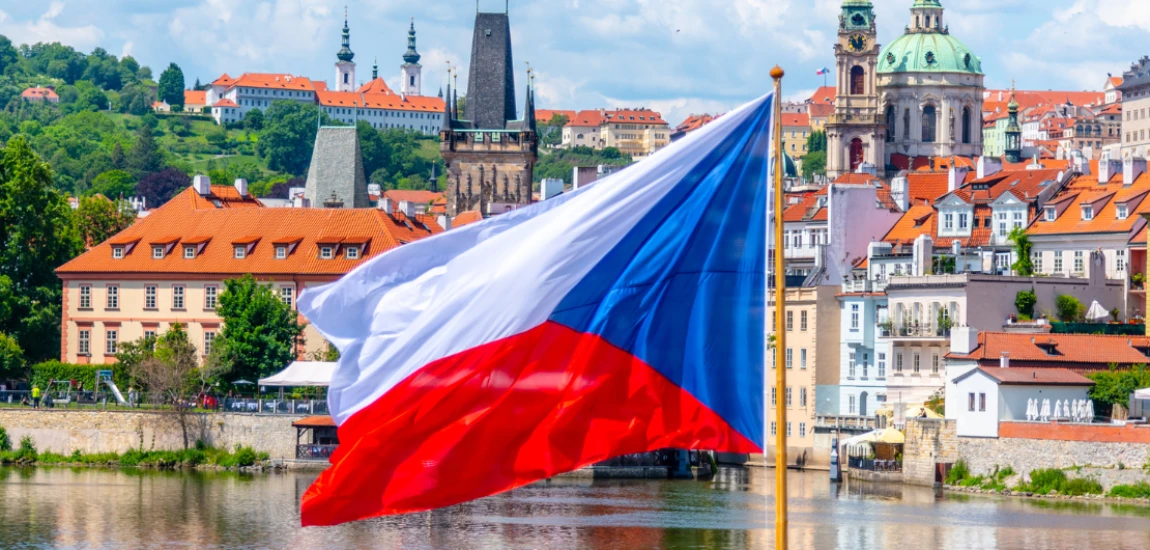
Tourism development often concentrates on famous cities, iconic landmarks, major resorts, and well-established attractions. While these destinations can generate substantial visitor demand, excessive concentration can also create overcrowding, environmental pressure, rising infrastructure costs, and uneven distribution of tourism benefits.
At the same time, many smaller places remain overlooked despite having cultural, historical, natural, culinary, or community-based assets that could support meaningful visitor experiences.
Micro-Destination Transformation Systems provide a framework for developing these underused or lesser-known places into carefully planned tourism destinations. A micro-destination can be a small village, neighborhood, heritage district, rural community, coastal area, mountain settlement, agricultural region, or cluster of local attractions.
Transformation does not mean turning every overlooked place into a high-volume tourist attraction. Instead, it involves identifying appropriate tourism opportunities, strengthening local capabilities, improving infrastructure, protecting local identity, and creating experiences that fit the character and capacity of the place.
The process can create new economic opportunities while distributing tourism activity beyond heavily visited areas.
For example, a small village with traditional crafts, local food, historic buildings, walking trails, and agricultural activities could develop a community-led tourism experience. Visitors might stay in locally operated accommodation, eat at local restaurants, purchase handmade products, explore cultural sites, and participate in workshops.
This creates a connected tourism ecosystem rather than relying on a single attraction.
Micro-destination transformation therefore combines destination development, local tourism, community participation, cultural heritage, nature-based tourism, infrastructure improvement, digital marketing, visitor experience design, and sustainable tourism planning.
Understanding Micro-Destination Transformation Systems

Micro-Destination Transformation Systems are structured approaches for identifying overlooked tourism assets and developing them into viable, responsible, and locally beneficial visitor destinations.
What is a micro-destination?
A micro-destination is a relatively small geographic area that can provide a distinct tourism experience.
It could include:
a historic neighborhood;
a rural village;
a small island;
a mountain community;
a coastal settlement;
an agricultural area;
a heritage district;
a local craft community;
a nature-based tourism area; or
a cluster of nearby attractions.
The key feature is that the area has enough identity, assets, services, and visitor potential to function as a recognizable tourism experience.
Why overlooked places matter
Lesser-known areas can provide opportunities for tourism diversification.
When visitors are concentrated in famous locations, nearby communities may receive limited economic benefits.
Developing micro-destinations can distribute visitor activity more widely.
It can also encourage travelers to discover authentic local experiences rather than visiting only the most recognizable attractions.
Transformation versus mass tourism development
Micro-destination transformation should not automatically mean large-scale construction.
The most effective approach may involve improving existing assets rather than creating entirely new attractions.
A historic building can become a cultural center. A local food tradition can become a culinary experience. A walking trail can become a guided nature route.
This approach can reduce unnecessary development while building tourism around existing local strengths.
Identifying Hidden Assets and Tourism Potential

The first stage of micro-destination development is understanding what makes a place distinctive.
Mapping local tourism assets
Destination planners can conduct an asset inventory covering natural, cultural, historical, culinary, recreational, and community resources.
Natural assets may include forests, rivers, mountains, beaches, wetlands, and landscapes.
Cultural assets may include crafts, food traditions, music, architecture, festivals, storytelling, and traditional skills.
Historical assets may include monuments, old buildings, archaeological sites, historic routes, and important community stories.
Mapping these resources helps planners identify connections between individual assets.
Discovering authentic local experiences
Tourism demand increasingly includes interest in experiences rather than simply sightseeing.
An overlooked place may have opportunities for hands-on experiences.
Visitors could learn traditional cooking, participate in farming activities, attend craft workshops, explore local markets, walk through historic areas, or learn about traditional ecological practices.
These experiences can make a micro-destination distinctive.
Evaluating tourism readiness
Not every place is immediately suitable for tourism.
Planners should evaluate accessibility, infrastructure, accommodation, safety, environmental sensitivity, community interest, visitor capacity, and business readiness.
A place may have strong tourism potential but require basic improvements before visitors can be accommodated comfortably.
Tourism development should therefore be based on both attractiveness and readines.
Building Community Participation and Local Economic Value

Community involvement is one of the most important elements of successful micro-destination transformation.
Giving residents a meaningful role
Local residents should not simply become spectators of tourism development.
They can participate as business owners, guides, hosts, artisans, farmers, performers, food producers, cultural interpreters, and destination planners.
Community participation can also help ensure that tourism development reflects local priorities.
Residents understand their communities, traditions, environmental conditions, and everyday challenges.
Their knowledge can improve tourism planning.
Supporting local businesses
Micro-destination development can create opportunities for small businesses.
Local entrepreneurs can provide:
accommodation;
restaurants;
guided tours;
transportation;
cultural workshops;
outdoor activities;
local products;
event services; and
creative experiences.
Destination programs can support these businesses through training, digital tools, financing information, networking, and marketing assistance.
Keeping tourism value within the community
A key objective should be increasing the amount of visitor spending that remains locally.
Visitors who stay at local accommodation, eat locally produced food, hire local guides, and purchase community-made products create stronger economic connections.
This can produce a tourism multiplier effect.
Instead of tourism revenue flowing primarily to external companies, a larger portion can circulate among local businesses and households.
Developing Infrastructure and Visitor Experiences

Even a highly attractive micro-destination needs appropriate infrastructure and services to provide safe and comfortable visitor experiences.
Improving essential infrastructure
Infrastructure improvements can include roads, pedestrian paths, signage, lighting, sanitation, waste management, water systems, internet access, public transportation, and emergency services.
However, infrastructure should be appropriate to the scale of the destination.
The goal is not necessarily to create large urban-style facilities. Small-scale, context-sensitive improvements may be more appropriate.
For example, a rural destination might benefit more from clear walking trails, local transport connections, sanitation facilities, and digital information than from large commercial developments.
Designing connected visitor experiences
Individual attractions become more valuable when they are connected into coherent experiences.
A heritage building could connect with a local food tour, craft workshop, walking route, and community market.
This creates a longer visitor journey and provides opportunities for several local businesses.
Experience design should consider the entire visitor journey—from arrival and orientation to activities, dining, shopping, accommodation, and departure.
Creating accessible tourism experiences
Micro-destinations should also consider accessibility.
Clear paths, accessible facilities, understandable signage, transportation options, seating areas, and digital information can help more visitors participate.
Accessibility improvements can benefit residents as well as tourists.
Inclusive destination design therefore supports both tourism quality and community usability.


Derek Baron, also known as "Wandering Earl," offers an authentic look at long-term travel. His blog contains travel stories, tips, and the realities of a nomadic lifestyle.
Derek Baron

Prev Post

Next Post